


Apple’s new AirTag arrives with a sharper sense of direction and a few practical upgrades that directly target everyday pain points. The second-generation tracker keeps the familiar coin-size design but adds longer-range Precision Finding, a broader Bluetooth reach, a 50% louder speaker, and—crucially—on-wrist item finding for recent Apple Watch models, all while holding the same price.
Enhanced Precision Finding extends guidance range by 50%
The headline change is Precision Finding that stretches up to 50% farther than the original AirTag, according to Apple. That improvement comes from Apple’s second‑generation ultra‑wideband (UWB) chip, the same class of silicon used in the Apple Watch Ultra 3 and Apple Watch Series 11. In practice, the combo of UWB ranging and directionality means the on-screen arrow locks on sooner and stays stable longer, which matters when you’re triangulating a set of keys in a crowded parking garage or a backpack tucked under a seat.
- Enhanced Precision Finding extends guidance range by 50%
- On‑wrist Precision Finding arrives on newer Apple Watch
- Bluetooth range expands and speaker gets 50% louder
- Design stays familiar, price holds, accessories compatible
- Privacy safeguards and Find My network scale explained
- Why these AirTag upgrades matter in real-life use
- Competitive landscape and outlook across platforms
Apple also notes a wider Bluetooth range, which helps when you’re just outside UWB’s sweet spot and need a first “ping” to get a fix. While Apple isn’t publishing exact meters, the experience shift is obvious: you’ll see a direction cue from farther away and hand off to precise guidance as you close in.
On‑wrist Precision Finding arrives on newer Apple Watch
For the first time, Precision Finding works directly from the wrist on Apple Watch Series 9 or later and Apple Watch Ultra 2 or later. That means you can follow haptic taps and an on‑watch arrow to your lost item without fishing out your iPhone—perfect for jogging back to a dropped wallet or navigating a chaotic baggage carousel. It’s a small usability shift that makes AirTag feel more ambient and less phone-bound.
Bluetooth range expands and speaker gets 50% louder
A louder chime addresses one of the most common AirTag complaints. Apple says the speaker is 50% louder, effectively doubling the distance at which you can hear it. In the real world, that could be the difference between hearing an AirTag under couch cushions versus assuming it’s gone. There’s also a new chime tone designed to cut through urban noise and echoey spaces like garages or terminals.
Design stays familiar, price holds, accessories compatible
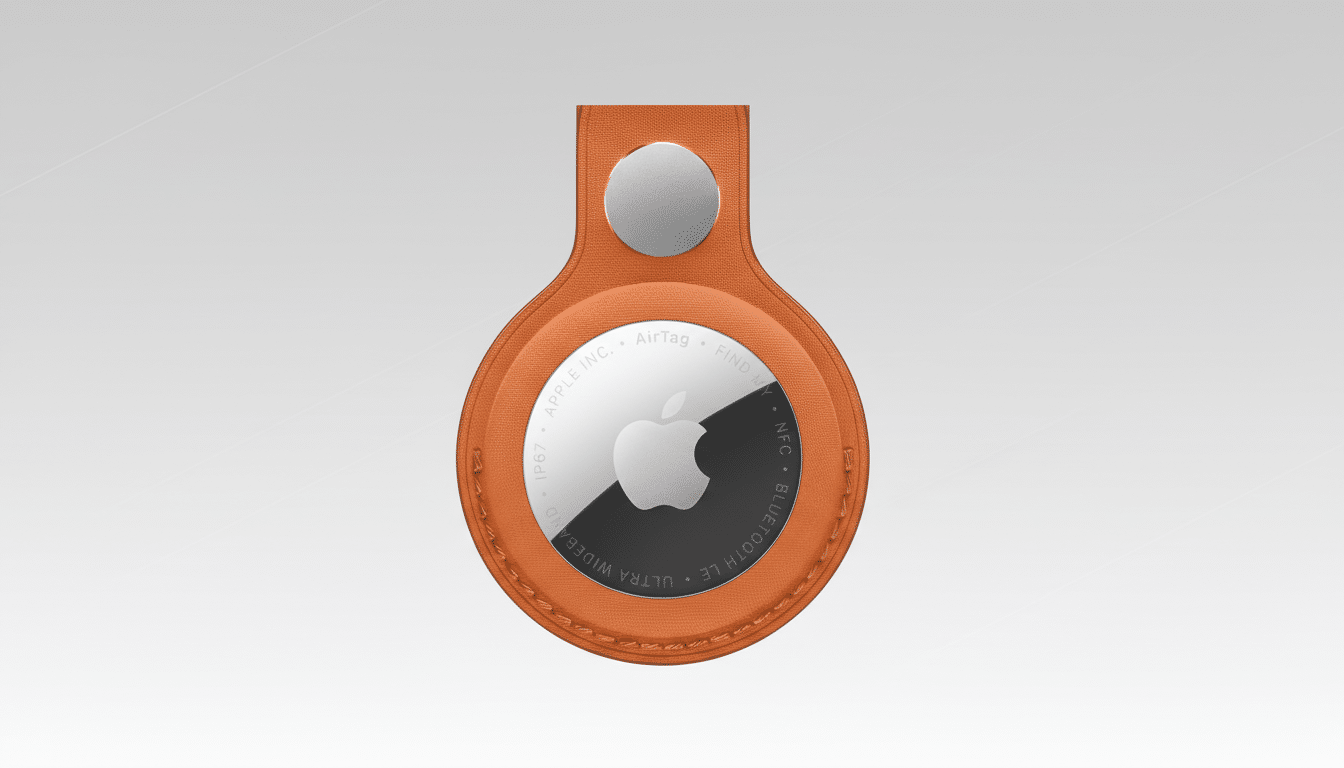
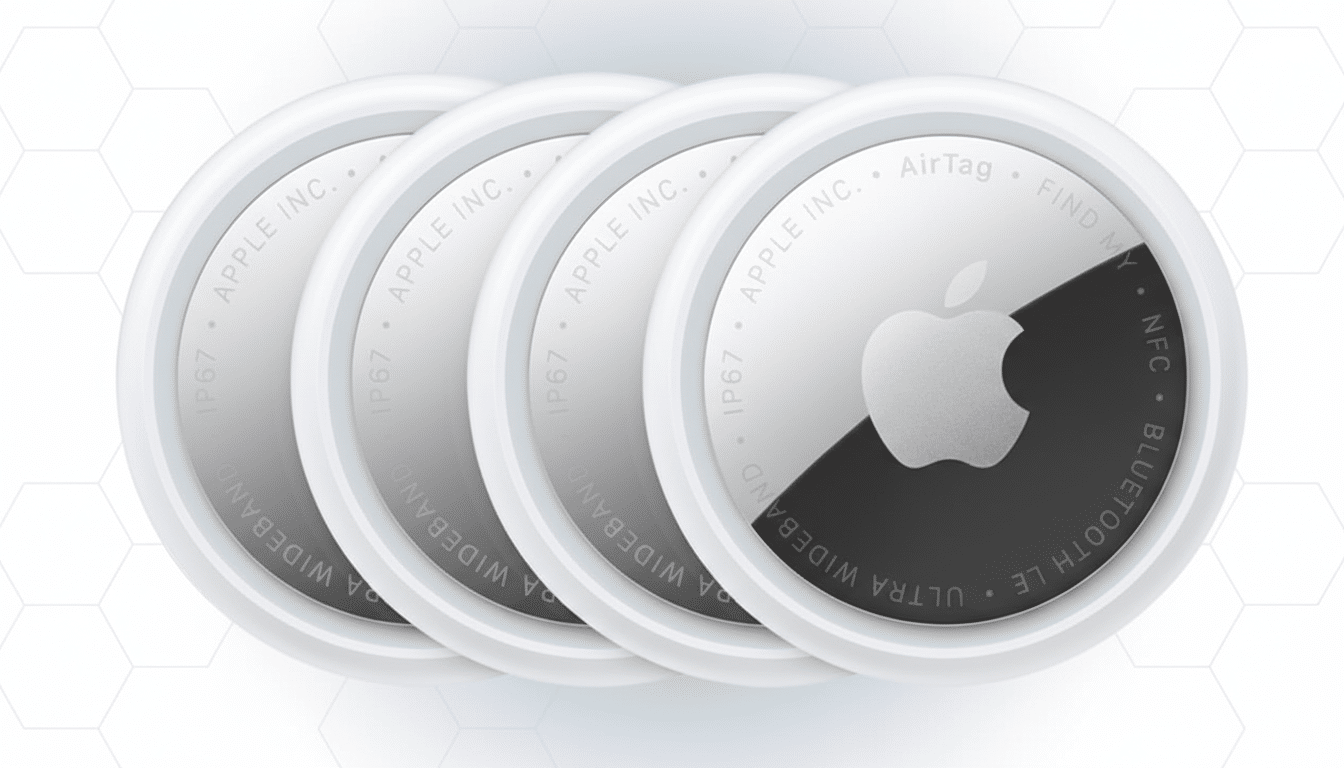
Externally, the AirTag looks the same, which is good news for anyone with a drawer full of key rings, adhesive mounts, and luggage loops—the accessories you already own stay compatible. Apple hasn’t flagged battery changes, suggesting a similar replaceable coin‑cell setup and service interval as before. Pricing is unchanged at $29 for a single AirTag or $99 for a four‑pack, and it’s available online now with retail availability following. You’ll need an iPhone with iOS 26 or later, or an iPad with iPadOS 26 or later, to use it.
Privacy safeguards and Find My network scale explained
The new AirTag still taps the vast Find My network, which uses nearby Apple devices to anonymously relay a tracker’s location. Apple has reported more than 2 billion active devices globally—a scale that gives AirTag a real‑world advantage when an item goes missing far from home. Sharing has also been refined: you can grant a trusted person access to a tag nearby or temporarily share with a third party—think airline staff—so they can help locate your bag without permanent access.
On safety, Apple continues to lean on the cross‑platform alerts it launched with Google for identifying unknown trackers. These unwanted tracking notifications appear on both iOS and Android, reducing the risk of misuse and aligning with recommendations from digital rights advocates. It’s an important baseline that keeps expanding as the ecosystem grows.
Why these AirTag upgrades matter in real-life use
In day-to-day use, the upgrades address three common scenarios: finding things faster at the edge of range (stronger Precision Finding and Bluetooth), hearing a tag in noisy spaces (louder chime), and staying hands‑free (Apple Watch guidance). For travelers, temporary sharing can streamline lost‑and‑found handoffs. Industry reports, including SITA’s baggage studies, routinely highlight millions of mishandled bags annually—an environment where crowdsourced location can shave hours off recovery time.
Competitive landscape and outlook across platforms
Within Apple’s ecosystem, AirTag remains the only mainstream UWB tracker, and the tighter Watch integration widens that lead. On the Android side, Google’s expanded Find My Device network and Samsung’s SmartTag lineup are pushing the category forward. Analysts at firms such as ABI Research expect UWB adoption to accelerate across phones, wearables, and accessories in the coming years, which should translate into more precise, less intrusive tracking experiences across platforms.
Bottom line: this AirTag doesn’t reinvent the form factor, but the combination of longer‑reach Precision Finding, on‑wrist guidance, and a louder speaker makes it meaningfully better at the most important job—helping you find what matters, faster.