


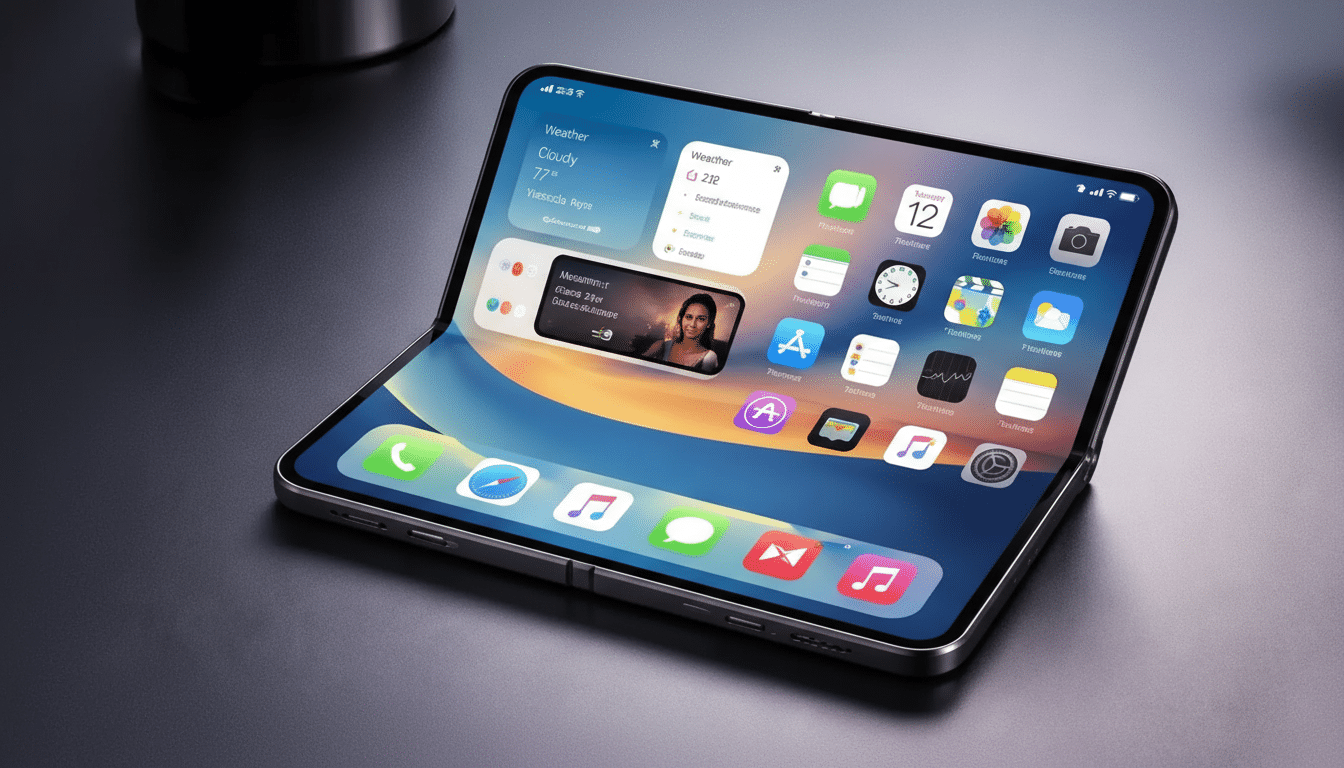
Apple’s inaugural foldable iPhone is growing in likelihood to be unveiled publicly in 2026, though shipments could drag behind the spotlight by months. The program is on track for an unveiling in the second half of 2026, veteran supply chain analyst Ming-Chi Kuo has told investors, though early production difficulties could delay substantial deliveries until 2027. Translation for shoppers: it could be announced next year, but a hard thing to actually buy until well after launch.
What a 2026 Reveal Probably Indicates for Buyers
Apple tends to launch breakthrough form factors at marquee keynotes, but then stage sales in waves. A late-year reveal would be consistent with that playbook, and it would give Apple an opportunity to show off the platform enhancements it has lined up for a bigger, more flexible canvas — think multitasking improvements and split views that react as soon as you invoke them, not to mention those long-rumored rumors of Apple Pencil support fluttering among display industry insiders. Anticipate a premium halo device above the Pro iPhones, not a mass-market upgrade on day one.

Why Shipments Might Slip to 2027 or Later
At Apple’s scale, foldables are next to impossible to make. Yield — the percentage of components that are up to spec — falls when you introduce ultra-thin glass with complex hinges and larger OLED panels that have to bend thousands of times without creasing or dimming. Foldable panel yields are now lower than those of traditional OLEDs, Display Supply Chain Consultants said—and when millions of units will be sold, every percentage point counts.
Sources in the industry are suggesting Samsung Display and LG Display would be among the panel partners, with BOE also being brought on board if targets in terms of quality can be met. The hinge assembly is another bottleneck: tolerances are tight, and the testing cycles for reliability are long. And even if the factories of companies like Foxconn or Pegatron, which assemble iPhones from components made elsewhere, are ready to go, there is still that upstream pace-setting high-spec component ramp.
Apple has been here before. Supply shocks around its Zhengzhou complex delayed iPhone 14 Pro availability for weeks late last year, with Bloomberg estimating in the tens of millions the number of units lost to weather in that quarter. The more complicated bill of materials attached to a foldable could forestall those risks during the first generation’s ramp.
Demand May Outrun Supply in the First Year
Apple’s active iPhone base is easily in excess of 1.2 billion users by most estimates. If just 1 percent of that base plans to buy, the thinking goes, 12 million or more people could be waiting in line to purchase. The first-year output targets for an entirely new category aren’t likely to satisfy that appetite. Analysts who cover the foldable market tend to bake in initial Apple volume orders in the mid–single-digit millions, a cautious estimate made to protect quality and mitigate risk — a recipe for shortages through at least one holiday season.
Market conditions are right for Apple’s arrival. Counterpoint Research estimates foldable shipments exceeded the mid-teens in millions last year and could peak beyond 20 million annually even before Apple gets here. If Cupertino were to execute a smartphone launch well, then you would probably see the category grow rather than just lose share from, say, Samsung’s Galaxy Z Fold or Google’s Pixel Fold.
Premium Pricing and Positioning for Apple’s Foldable
Whispers of pricing land in the stratosphere. Some regional supply chain notes have thrown out numbers north of $2,000, with a few as high as $2,399 depending on configuration. That would put Apple above the Galaxy Z Fold’s usual range of $1,799-$1,899 and well above most slab phones as well. It’s also in keeping with the company’s modus operandi: Begin at the top of the market, then work to drive down costs once yields improve and components commoditize.
It is component economics that account for the sticker shock. DSCC and teardown houses have put foldable BOM several hundred dollars above traditional flagships because of dual batteries, extra cameras, new hinges and high-brightness LTPO panels. Apple’s emphasis on durability—reducing the visibility of creases, preserving brightness uniformity and keeping the hinges lasting longer—also translates into engineering time and cost.
What to Watch in the Supply Chain Before Launch
Indicators to watch for include display capacity expansion by (Samsung supplier) Samsung Display and LG Display, as well as proclaimed Apple investments in ultra-thin glass providers or assembly equipment retooling at Foxconn. Ross Young from DSCC also brought attention to some of the panel roadmap milestones—panel sizes, cover materials, and brightness—that can signal product timing. Progress in these domains over the next year would confirm a late-2026 debut.
Manufacturing diversification is another variable. Apple has been moving some iPhone assembly to India and investigating Vietnam for parts. For a first-gen foldable, that could see the company rely on its most established lines in China, before expanding the footprint as processes become more mature. Such a sequenced strategy might affect the timing of those availability windows in other parts of the country.
Buyer Bottom Line on Timing, Pricing, and Supply
All indications suggest a 2026 reveal, with a measured rollout post-unveil that could potentially nudge into 2027 while yields ramp up. If you are looking to get in early, anticipate tight preorders, shipping dates that will be staggered and limited stock in stores. If you are willing to wait, second-wave batches often have more muted fixes and a steadier supply.
Meantime, watch for Apple to telegraph priorities in software—multitasking, continuity across devices and stylus support could define the experience. The first foldable iPhone will be a product with something to say. The most difficult thing about getting one, at least in the first year, might be owning one.