


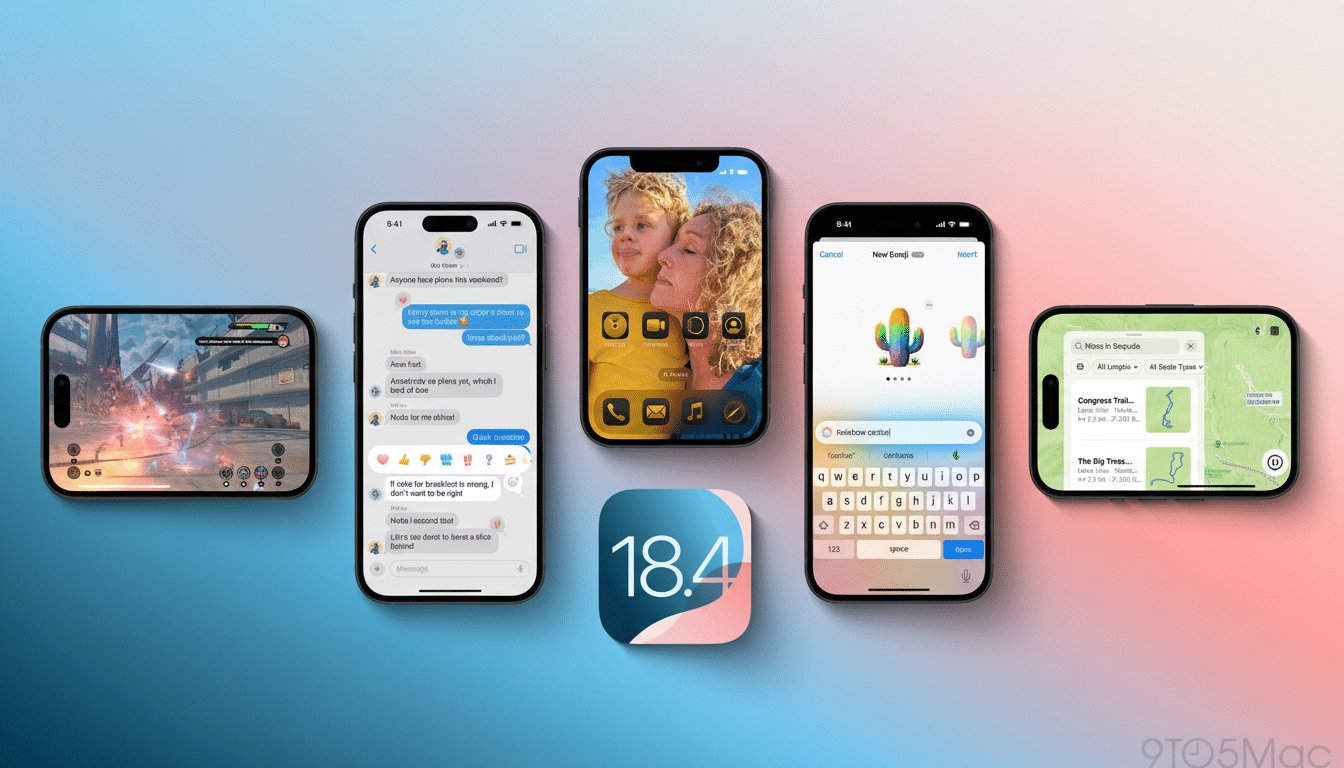
Apple has begun testing end-to-end encryption for RCS in the first iOS 18.4 developer beta, but there’s a big catch: it currently works only between iPhones. Cross-platform protection for iPhone-to-Android chats isn’t live yet, even though Apple says full RCS E2EE is coming in a future software update across iOS, iPadOS, macOS, and watchOS.
What Apple Is Testing Now With iPhone-Only RCS Encryption
Early testers can enable an RCS encryption toggle in Settings and see a padlock indicator inside Apple’s Messages app when a conversation is protected. For now, that protection appears to apply to phone-number-based chats with other iPhone users, typically in cases where iMessage is unavailable or disabled. In other words, encrypted RCS is active, but only within Apple’s own garden.
This matters because RCS is the industry’s successor to SMS/MMS, offering typing indicators, read receipts, and higher-quality media for “green bubble” conversations. Apple first rolled out RCS features in iOS 18.1, but without cross-platform E2EE. Today’s test nudges those green bubbles closer to iMessage-level security—just not across to Android yet.
Why Android Is Excluded From Apple’s RCS Encryption For Now
Cross-platform encryption is the hard part. While Android’s Messages app has offered E2EE for person-to-person RCS chats for years, aligning key exchange, identity verification, and fallback behaviors between two different ecosystems—and across dozens of carriers—takes time. Apple’s developer toggle hints at a phased approach that lets operators validate their network configurations before enabling broader compatibility.
Industry alignment on the RCS Universal Profile is another piece. Apple’s initial implementation used Universal Profile 2.4, which lacked end-to-end protections. The newer Universal Profile 3.0 introduces modern capabilities, including provisions for E2EE, richer media handling, and more robust group messaging. Apple’s current test signals a move toward that newer profile, but full interoperability depends on more than just client apps—it also requires carrier backends and device configurations to line up cleanly.
There are also practical concerns. Carriers must balance spam controls, lawful intercept obligations, and roaming scenarios with the privacy guarantees of E2EE. Both Apple and Google use session-based encryption that relies on device keys; making that work seamlessly across different device vendors, SIM provisioning states, and network conditions is nontrivial.
The Bigger Picture on RCS Adoption and Industry Readiness
Google says RCS now serves over a billion people each month, underscoring why Apple’s move matters. As RCS becomes the default modern text layer, leaving cross-platform chats unencrypted would create an obvious security gap. Apple’s decision to trial E2EE in RCS aligns iPhone texting with the privacy expectations already common on Android, even if the first step is iPhone-only.
Market dynamics also amplify the stakes. Analysts from firms like IDC and Counterpoint have consistently estimated that Android powers the majority of smartphones worldwide, while iOS commands a significant premium segment. Ensuring encrypted, interoperable RCS between those two populations affects daily communications for billions of messages.
What Users Will See and What They Won’t During the Beta
In the developer beta, users may notice a new encryption toggle in Settings and a padlock icon when RCS chats are protected. However, encrypted sessions appear limited to iPhone-to-iPhone RCS conversations, not iPhone-to-Android. Group chats and mixed-device threads are even more complex, and Apple has indicated the full public release will land in a future software update rather than this developer build.
For now, everyday users shouldn’t expect their green-bubble conversations with Android friends to suddenly show a lock. The experience remains largely unchanged outside the test pool, even as Apple, carriers, and other vendors validate the encryption stack behind the scenes.
What To Watch Next As Cross-Platform RCS Encryption Nears
Three milestones will signal real momentum:
- Apple flipping the switch for cross-platform keys so iPhone-to-Android chats can negotiate E2EE.
- Clear guidance from carriers that their networks are ready for Universal Profile 3.0-grade features at scale.
- Parity across Apple’s platforms—iPadOS, macOS, and watchOS—so message security follows you everywhere you text.
Apple’s confirmation that full RCS E2EE is planned is the headline; the temporary lockout of Android is the footnote. If the past is any guide, a staged rollout will minimize breakage and confusion while the ecosystems converge on the same standard. When the padlock finally shows up across iPhone-Android threads, the modern text messaging era will have truly arrived.