


Apple ended its latest quarter with a double milestone, reporting the strongest iPhone sales period in its history and surpassing 2.5 billion active devices across its ecosystem. Revenue climbed to $143.8 billion, up 16% year over year, with leadership crediting broad-based demand that set records in every geography, including renewed momentum in China and sustained gains in India.
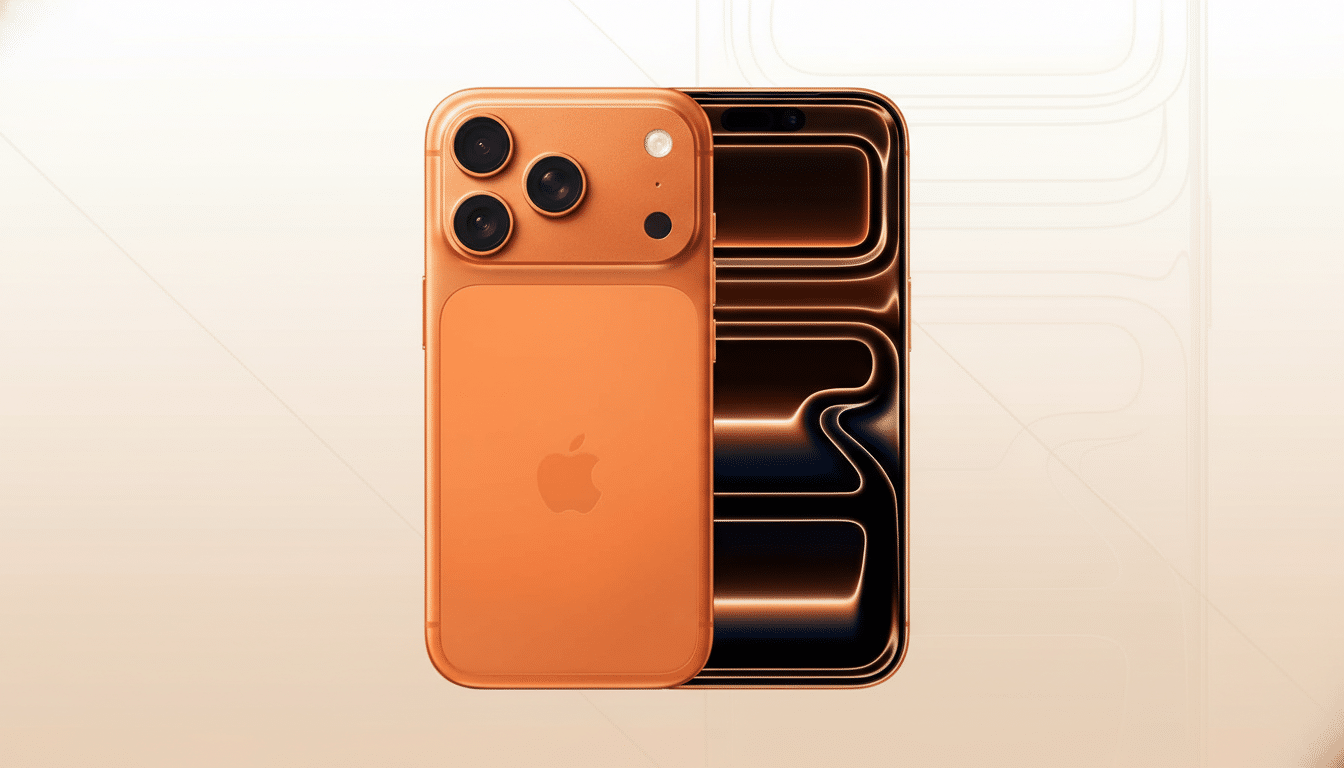
The iPhone 17 lineup led the charge, while continued appetite for iPhone 16 models kept stores busy through the holidays. Even with softer reception for the slim new iPhone Air, Apple’s flagship handsets delivered enough volume and mix to reset the company’s all-time iPhone benchmark.
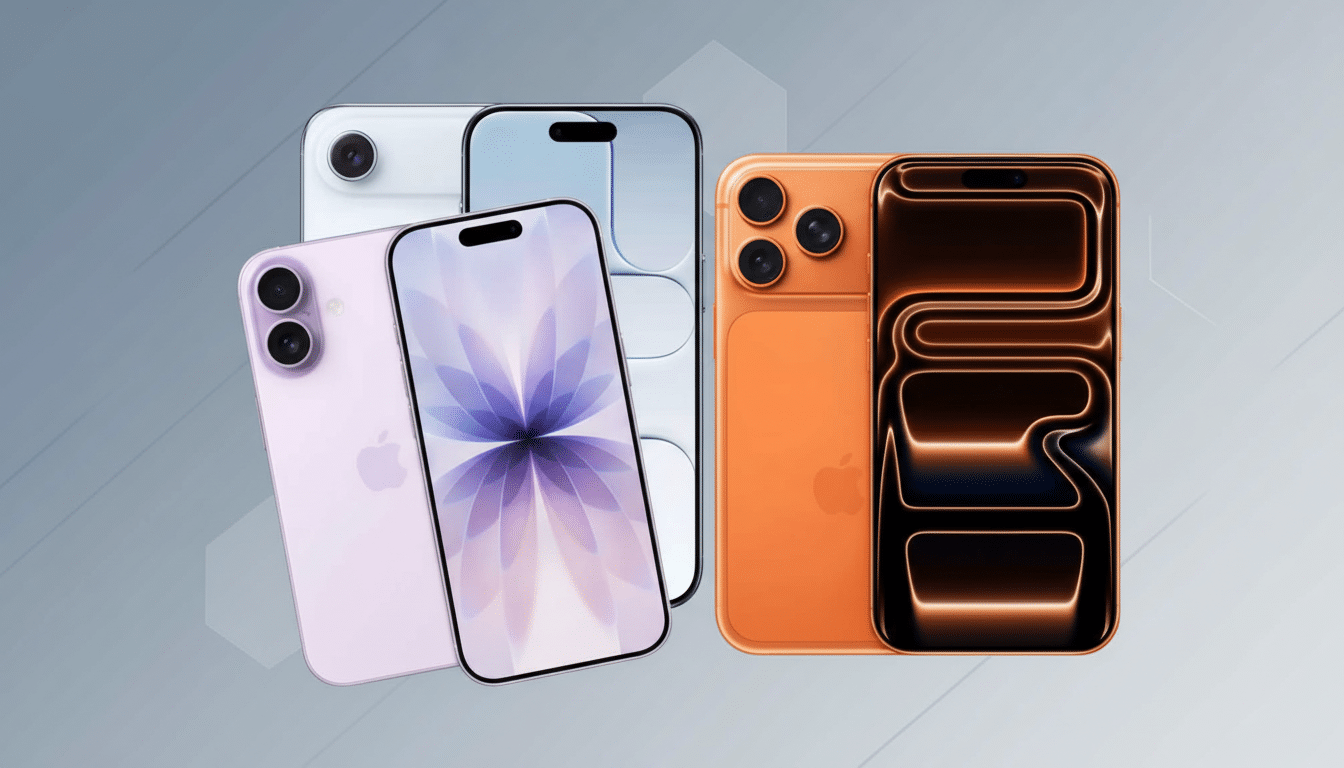
What Drove the iPhone Surge: Mix, Incentives, and Upgrades
Three forces stood out: a richer premium mix, aggressive trade-in and carrier incentives, and an upgrade pool that has stretched past the three-year mark for many owners. Industry trackers such as Counterpoint Research have highlighted resilient spending at the high end, where Apple concentrates its innovation and marketing.
Availability also mattered. Apple’s supply chain hit its stride quickly, keeping Pro-tier phones on shelves in key weeks. That reduced lost sales and helped the company capture demand as shoppers looked to lock in promotions before they expired.
Apple’s 2.5 Billion Device Milestone and Expanding Installed Base
Crossing 2.5 billion active devices—up from 2.35 billion a year earlier—underscores how far Apple’s installed base now extends. The tally spans iPhone, iPad, Mac, Apple Watch, AirPods, and HomePod, representing roughly one active device for every three people on the planet. It is the foundation for services growth and a durable upgrade cycle.
As the base expands, so does attachment to services like iCloud, Apple Music, Apple TV+, and Apple Pay. Apple has repeatedly emphasized that customer satisfaction and retention rates remain high, and a larger, more engaged base typically translates to higher average revenue per user over time—especially as features weave across devices.
Regional Results and Mix Highlight Gains Across Key Markets
The Americas delivered $58.5 billion in revenue, up from $52.6 billion a year earlier. Europe rose to $38.1 billion from $33.8 billion. Management flagged strong performance in China and India, underscoring that Apple can grow in mature markets while still gaining share and distribution in faster-rising economies.
In India, Apple’s retail expansion and local manufacturing footprint are paying off, giving the brand more price points and better availability. In China, premium buyers leaned toward the latest iPhones despite intensifying competition; research groups including IDC have noted that the high-end segment remains a relative bright spot.
iPad Upgrades Rise as Mac Slips Amid Launch Cadence Effects
Beyond iPhone, Apple highlighted an influx of first-time iPad owners—more than half of recent buyers were new to the product line—alongside a record number of upgraders. Mac revenue fell 7% year over year, a reminder of the category’s launch-dependent cadence after a heavier product slate the prior year.
The company also refreshed AirTag, signaling continued investment in accessories that enhance the value of the broader ecosystem. Accessories tend to be small individually but meaningful in aggregate when multiplied across a base this large.
What to Watch Next for iPhone Momentum and Apple’s Roadmap
Apple’s roadmap remains the wildcard for sustaining iPhone momentum into the back half of the year. The company is widely rumored to be exploring its first foldable iPhone, a category that firms like IDC expect to keep expanding as prices normalize and durability improves. Even without a foldable, Apple’s playbook of annual flagship upgrades, stronger trade-in values, and deeper services integration continues to pull users forward.
Risks remain—foreign exchange, regulatory scrutiny, and fierce competition in key markets—but the latest quarter demonstrates Apple’s core advantage: an installed base that keeps growing and spending. With a record iPhone quarter and 2.5 billion active devices, the company enters its next product cycle with a tailwind few rivals can match.