


Apple’s entry iPad is poised for a meaningful leap, with a 12th-generation model expected to add Apple Intelligence via a new A18 chip, according to reporting by Bloomberg’s Mark Gurman. If accurate, the update would bring Apple’s AI suite to the most affordable iPad for the first time, aligning the tablet line with the iPhone 16 family and reducing fragmentation across Apple’s ecosystem.
What Apple Intelligence Brings To The Base iPad
Apple Intelligence bundles systemwide writing tools, image generation features like Image Playground and Genmoji, priority notifications, and a reimagined Siri that’s designed to understand context across apps. On compatible hardware, the heaviest lifting runs on‑device, with select queries securely handed off to Apple’s private cloud. Until now, the base iPad missed out—leaving a conspicuous gap in Apple’s AI story for classrooms, families, and first-time buyers.
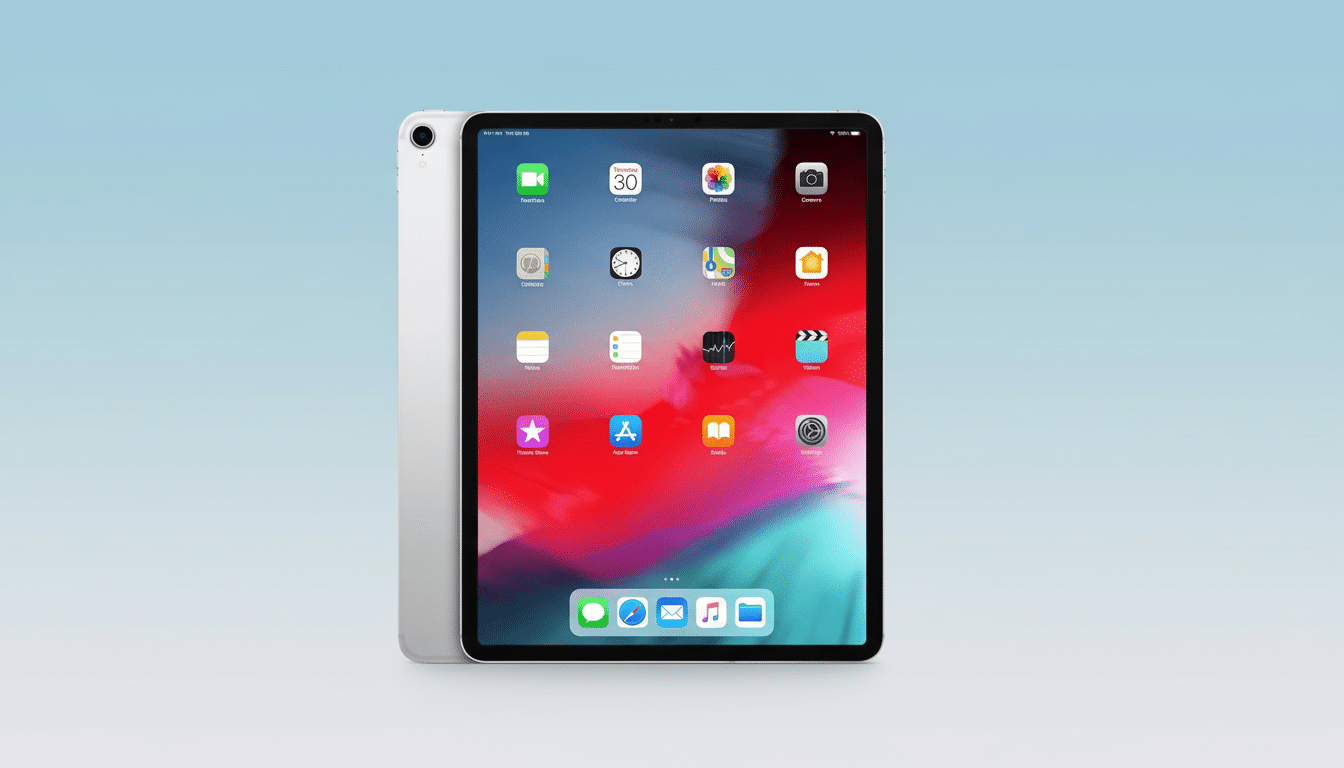
Enabling these features on the entry model matters because this is the iPad most people buy. Education deployments and volume business purchases often standardize on the baseline device. Once Apple Intelligence lands here, teachers get offline-friendly writing aids, IT teams gain consistent features to manage, and consumers no longer need to jump to an Air or Pro just to try Apple’s AI.
A18 Under The Hood: Powering On‑Device Intelligence
The A18 made its debut in the iPhone 16 line and was built with AI workloads in mind. While Apple doesn’t publish exhaustive neural engine specs across every chip, the A18 represents a clear step up from the A16 currently in the base iPad, adding a more capable neural engine, faster CPU/GPU paths for multimodal tasks, and improved memory bandwidth—all critical for on‑device generation and smarter app behaviors.
Expect everyday gains beyond AI, too. The A18’s efficiency improvements should help sustain the iPad’s all‑day battery target even as background intelligence features come online. App developers can also lean on modern frameworks in iPadOS—like Core ML and inference-optimized Metal—without worrying about a split experience on Apple’s most popular tablet.
Design Likely Steady As Strategy Shifts For Base iPad
Gurman’s reporting points to an unchanged design: the same 11-inch display, a 128GB starting configuration, and the familiar “about 10 hours” battery claim that Apple targets across the lineup. The current entry iPad starts at $349, and while Apple hasn’t signaled pricing for the next model, the company has historically used silicon upgrades—not chassis overhauls—to keep the base iPad attractive to schools and cost-conscious buyers.
Holding the exterior steady also streamlines accessories and supply chains. Cases, classroom carts, and keyboards that work today should keep working, reducing friction for districts and businesses that refresh in cycles.
How It Repositions The iPad Line Across Tiers
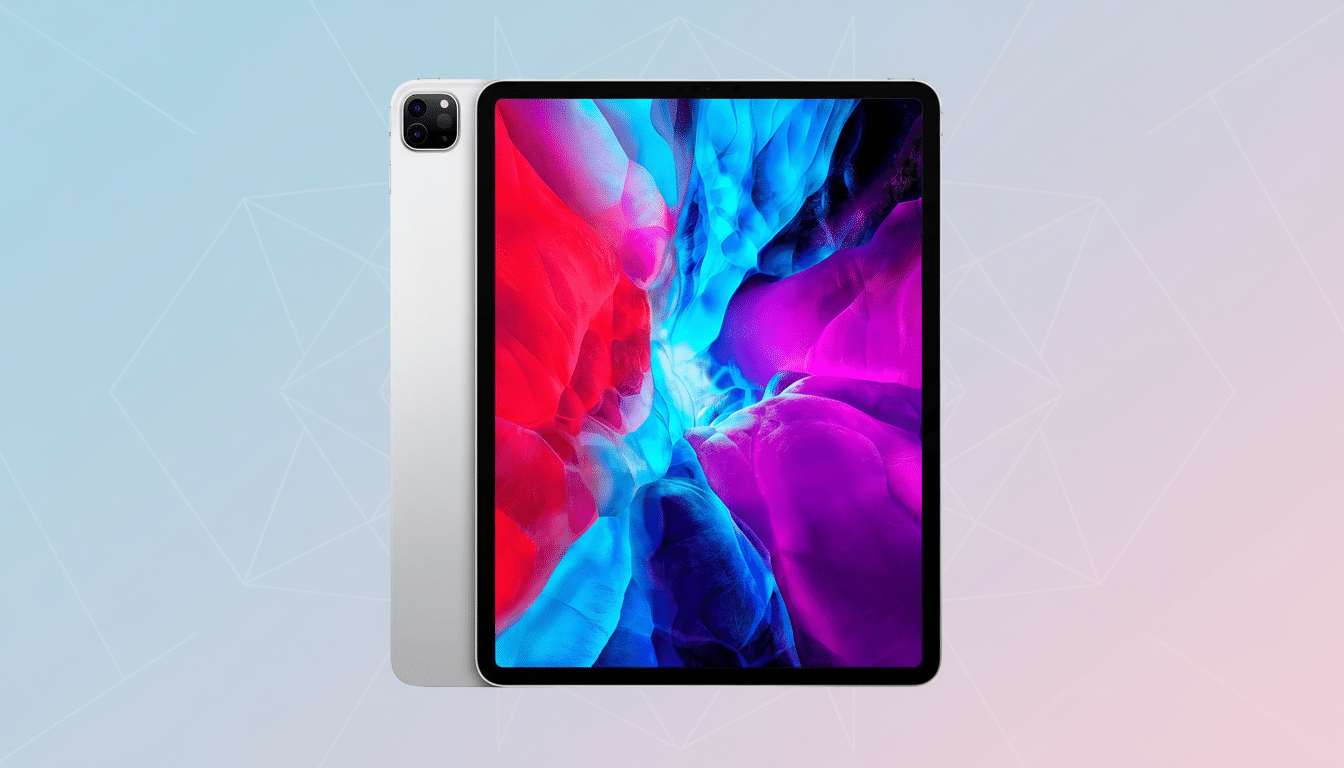
The move would tighten the stack: base iPad with A18 and Apple Intelligence, iPad Air reportedly stepping up to the M4, and iPad Pro already there with higher display and performance ceilings. That gradient makes sense—AI parity at the platform level, with Pro and Air models differentiating on screens, ports, and sustained horsepower for creative and scientific apps.
For developers, this broadens the addressable base for Apple Intelligence features practically overnight. Instead of targeting only premium devices, apps that use system writing tools, semantic search, and image generation can assume support on the mainstream iPad—fueling a virtuous cycle of feature adoption and user engagement.
Launch Timing And Market Context For Apple’s Entry iPad
The 12th‑gen model is described as arriving “very soon.” Bloomberg’s reporting also notes Apple’s continued work to bolster cloud intelligence with external models, including access to Google’s Gemini for certain requests, complementing Apple’s on‑device approach. That hybrid strategy is designed to keep private tasks local while still tapping large models for open‑ended prompts.
Industry trackers such as IDC have consistently placed Apple at or near the top of global tablet shipments. Extending Apple Intelligence to the entry iPad could reinforce that position by making AI a default feature rather than a premium upsell. In education, where deployment scale is measured in the tens of thousands of units per district, offering the same AI baseline across classrooms is a practical win.
If the reports hold, this will be a quietly consequential iPad refresh. No flashy redesign—just the chip that unlocks Apple’s next software chapter for the broadest possible audience. For most buyers, that’s the upgrade that counts.