


Apple’s next marquee iPhone is probably still months away, but the company is seeking to make a splash with a new line of products that doesn’t consist of smartphones.
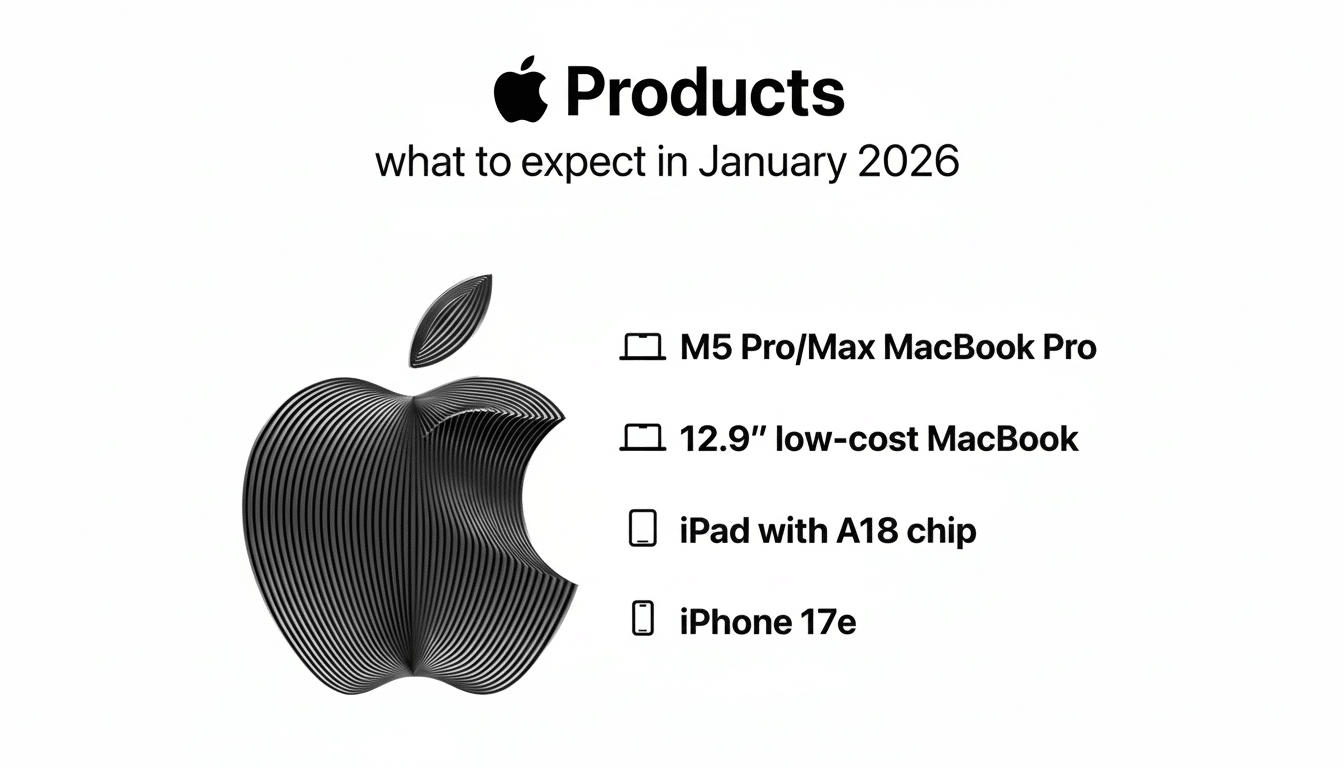
Drawing on reliable reports and supply chain whispers, the roadmap paints a picture of a new price-conscious iPhone, budget MacBook, overhauled MacBook Air and Pro with next-gen silicon, and an updated entry iPad designed for different stripes of Apple’s huge user base.
iPhone 17e Aims For Affordable Flagship Appeal
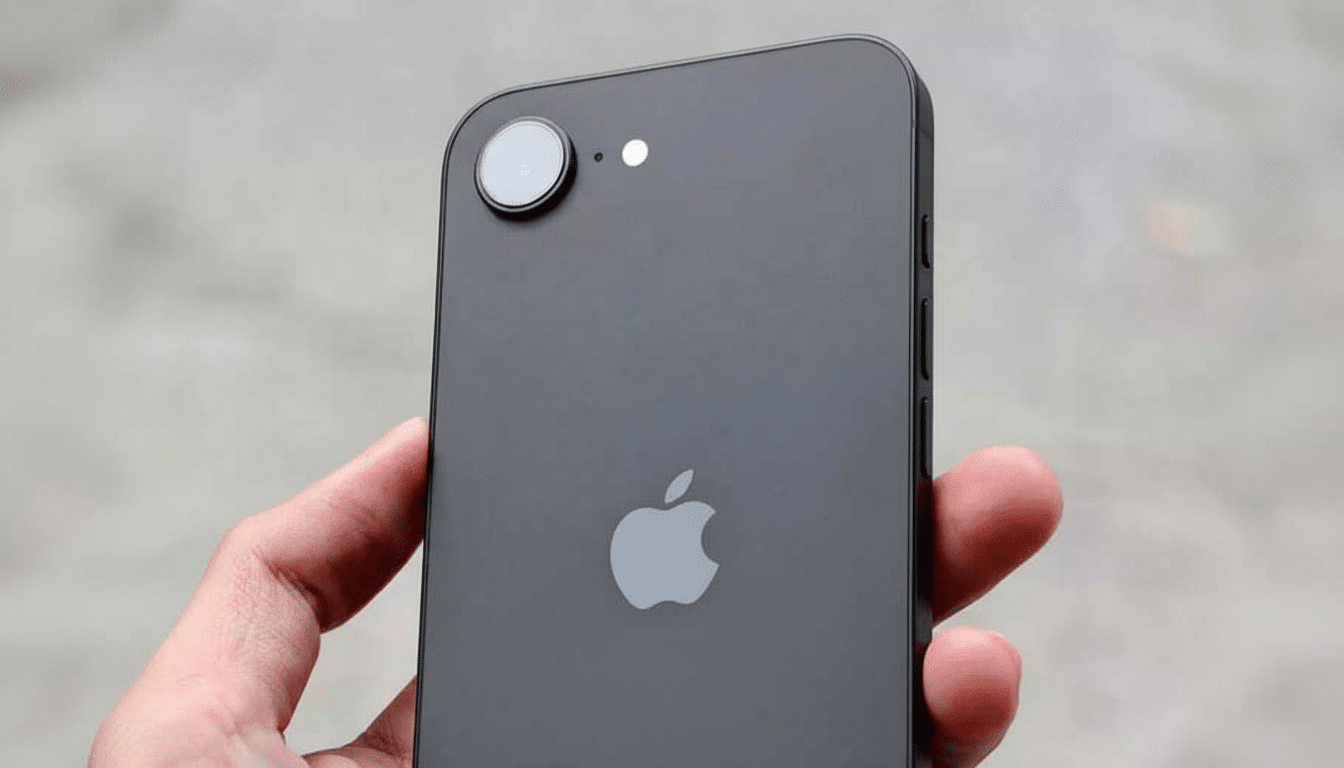
When Apple transitioned from the SE line to the e‑series, perhaps iPhone 17e will provide just enough of everything for most without its mainstream price. Leaker Digital Chat Station has indicated a 6.1‑inch OLED display at 60Hz, a new A-series chip and support for Dynamic Island as well as camera upgrades that edge it closer to being flagship spec.
The tactic is similar to what rivals have perfected — think Google’s A‑series Pixels — delivering the features you want most while shaving off costs in materials and display tech. For Apple, the pitch is simple: expand the on-ramp to the ecosystem and Apple Intelligence functions. With Apple revealing a billion-device active base, even a value iPhone can generate outsize software and services momentum.
Cheap MacBook Tipped For Schools And First‑Time Buyers
An affordable MacBook is allegedly in the works, with 9to5Mac reporting that Apple has been testing a version powered by an A‑series processor as opposed to the M‑series chip running today’s Macs. Early scuttlebutt indicates the starting price may depart greatly from the MacBook Air, staking out the device against Chromebooks and inexpensive Windows laptops.
Education, if it goes this direction, is the clear battleground. Futuresource Consulting has been monitoring Chromebooks for years as they gain an increasing majority of US K‑12 laptop deployments, driven by aggressive pricing and cloud management. An actual low-cost MacBook — built around Apple School Manager and best-in-class MDM support — might provide districts and families with new reasons to consider Apple in the classroom and during homework time. The big unknown is software: whether the device runs a streamlined macOS, a custom-leaning variant or leans on iPadOS-style efficiencies will make or break its attraction.
M5 MacBook Air And Pro To See Faster AI Performance
At the high end, Bloomberg's Mark Gurman has reported that Apple is working on a refresh to the MacBook Air and new MacBook Pro models — both powered by next-generation Apple Silicon (dubbed M5) with tiers for Pro and Max in professional and technical workload areas. Look for better performance per watt, faster GPUs and an even stronger drive into on-device AI acceleration.
Apple’s most recent silicon cadence provides some hints. The M4 family brought a Neural Engine that was way, way faster than before — Apple quoted 38+ TOPS for on‑device machine learning — and even GPU-specific goodies like hardware‑accelerated ray tracing made their debuts in more recent architectures. An M5 leap would probably continue on from those gains, likely trying to substantially reduce render times, speed up code compiles and make Apple Intelligence features feel almost instantaneous even under the weight of intense multitasking.
Entry‑Level iPad With A18 About To Make Big Software Leap
As for tablets, analyst Jeff Pu stated that Apple is preparing a new entry-level iPad based on an A18 chip. And although industrial design may remain unchanged, the internal bump could prove strategic, enabling broader Apple Intelligence support and offering more OS headroom for families, students and frontline workers who prefer the entry model.
iPad continues to be the thing against which casual computing is measured, and market watchers like IDC have consistently ranked Apple as either number one in global tablet shipments or close to it. A beefier base model can help establish its position, especially since schools and businesses want something that balances battery life, app cushioning and overall cost of ownership you can manage.
What To Look For As Product Launches Draw Near
Three factors will determine the impact of these launches: pricing, chip features coupled with Apple Intelligence, and how the low‑cost MacBook fits into its software strategy. If Apple is able to thread the needle of keeping the iPhone 17e compelling, as well as delivering meaningful M‑series leaps and pricing a budget MacBook aggressively, it may find enough leverage to apply pressure both to incumbent Chromebook-class machines and high-end Windows laptops.
As always, none of this is real until Apple says it’s real. But viewed as a continuum, the near‑term hardware lineup looks like a classic one‑two punch: broaden the base with affordable hardware even as you lift up the ceiling through silicon improvements. For buyers who are beginning to consider an upgrade, it might be worth keeping a close eye on these four products before making any decisions.