


Apple’s long-rumored smart home hub has inched further toward realization. Now — thanks to a product name discovery by MacRumors in internal code — it may be known as something like “HomePad,” and the early specs imply that Apple is readying a robust, privacy-conscious connectivity hub for the home, complete with camera features, biometrics, and on-device intelligence.
What the leak reveals about Apple’s camera-equipped hub
Macworld reports that a smart home product codenamed J490 is referred to in a pre-release iOS build. The device is mentioned as featuring Apple’s A18 chip, a front-facing ultra‑wide camera with Center Stage, and 1080p video capture. Notably, it references Face ID biometrics — an unusual detail for a stationary home hub and a strong indicator that Apple will likely aim to make this device’s experience personalized to its owner.
- What the leak reveals about Apple’s camera-equipped hub
- A18 power and on‑device intelligence for a smarter hub
- A Screened Hub Might Change HomeKit Big Time
- The mystery accessory J229 hints at Apple home security
- Market impact and Apple’s angle in the smart home race
- What to watch next as Apple’s home hub approaches launch
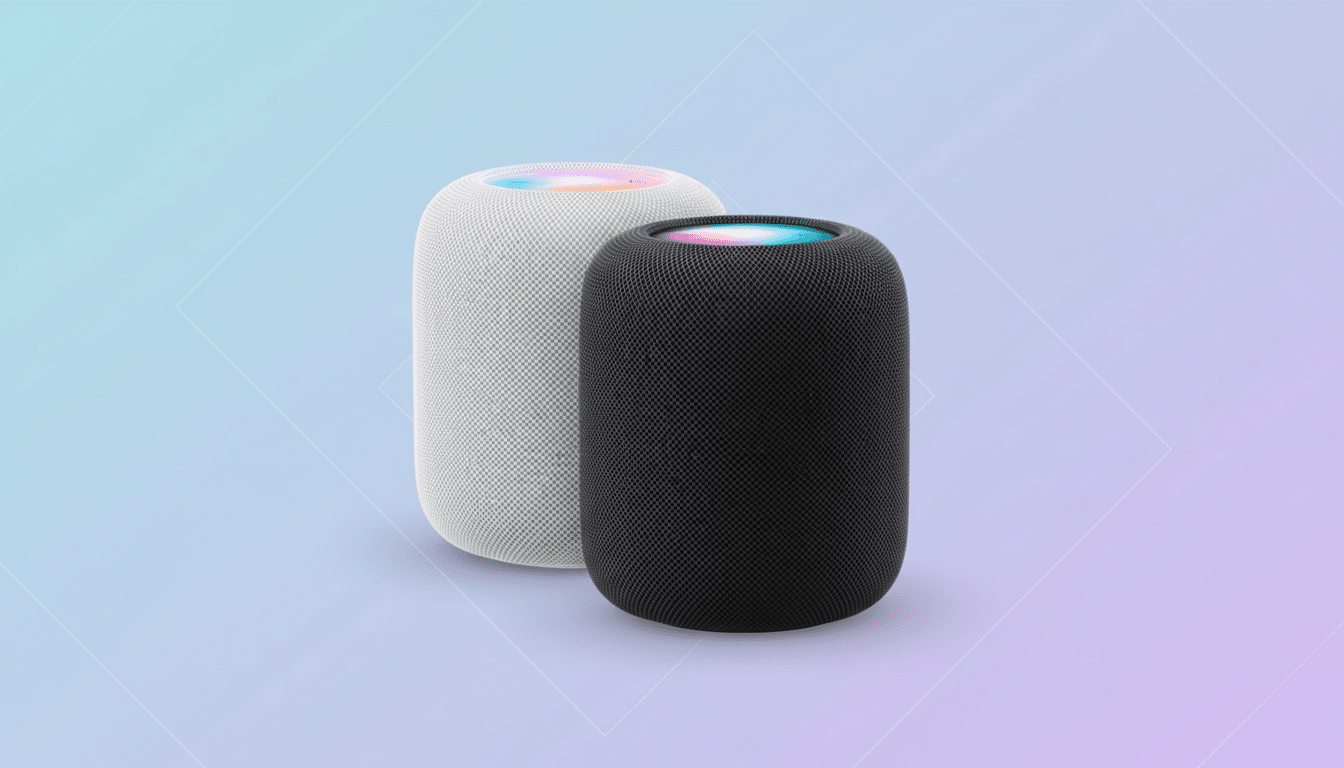
Apple Intelligence integration is also referred to in the code, bringing a more chatty Siri. That mix of dedicated camera hardware, depth for machine learning, and biometric recognition places the product as something other than a smart speaker with a screen. Apple has yet to publicly christen the device, and “HomePad” is still merely a casual nickname that wonks have adopted.
A18 power and on‑device intelligence for a smarter hub
Key is the A‑series chip in a home hub. The A18 will provide more than enough CPU/GPU power for the next‑gen Neural Engine, and hopefully more tasks run locally than in the cloud. For a camera‑first product, that might mean faster wake‑word detection and scene understanding or improved echo cancellation for video calls — you could even have smarter, context‑aware automations without sending raw data off the device.
Face ID unlocks new possibilities: home dashboards tailored for each user, content recommendations customized to individual tastes, restrictions that apply only at the system level indicating when a parent is needed, and allowing secure approval so others can buy with Apple Pay or consent to open a door. For iPhone, Apple has marketed a 1 in 1,000,000 Face ID false match rate advertisement, and if similar protections are in place for this — coupled with the Secure Enclave — biometric personalization can come without any privacy promises being broken.
A Screened Hub Might Change HomeKit Big Time
Today, HomePod mini and Apple TV have taken over hub responsibilities for HomeKit and Matter. A camera‑equipped, display‑forward device with Center Stage would pack cameras into all those other roles and add high‑value functions: FaceTime at the kitchen counter, Intercom and doorbell previews, a persistent control surface for accessories like lights, locks, cameras, climate.
Although radio specs were unspecified within the code, modern Apple hubs would likely support Thread and Matter to facilitate easier setup and increased reliability for accessories from companies such as Philips Hue, Ecobee, and Nanoleaf.
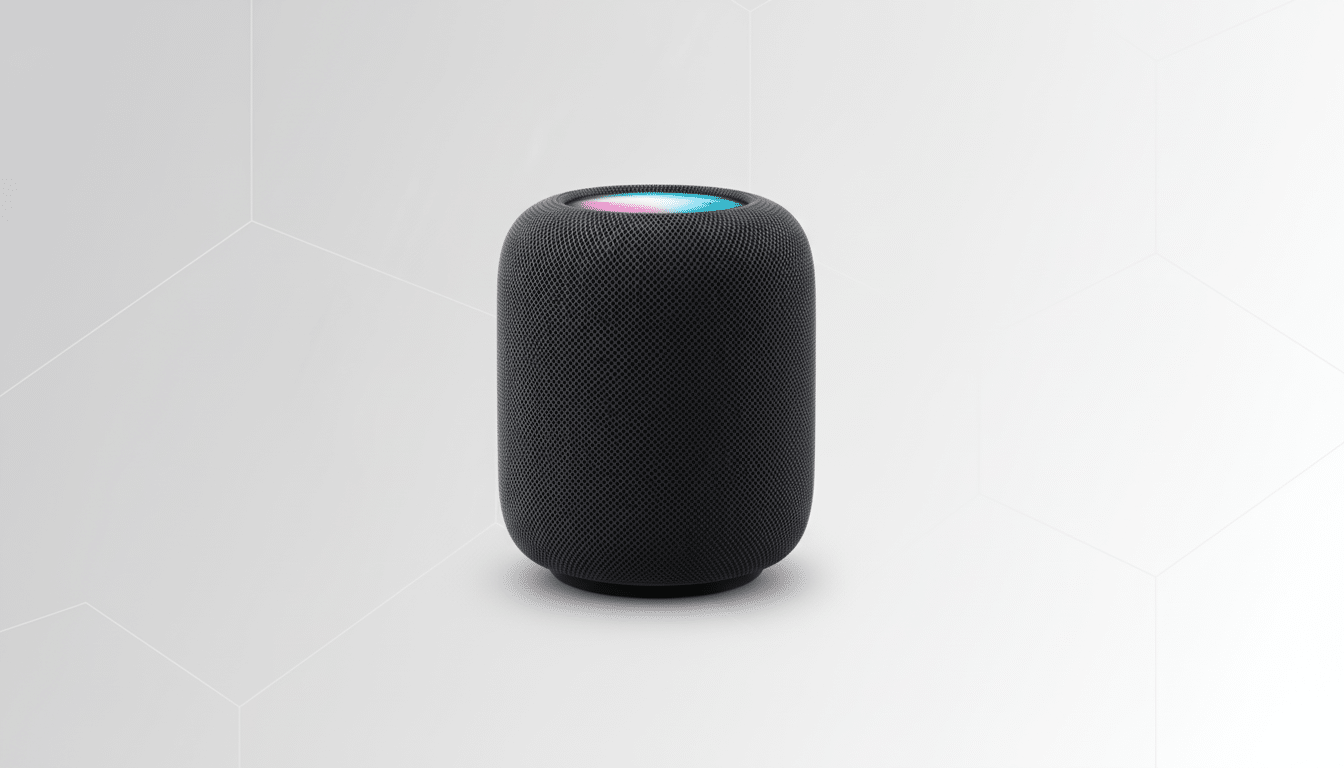
With Apple Intelligence in place, users would be able to activate natural‑language routines — “Dim the dining room and play some tunes,” or whatever — that would be understood for realsies across multiple apps and devices.
The mystery accessory J229 hints at Apple home security
Macworld’s digging also discovered a second previously unreported product with the code name J229. It is a device, not a stand‑alone hub, equipped with multiple sensors and an integrated camera. That dovetails with reporting from Bloomberg’s Mark Gurman that Apple has looked into an indoor security camera and a smart doorbell with facial recognition, both meant to work alongside a central hub.
If J229 really is a security sidekick, you should wait for deep HomeKit Secure Video integration, end‑to‑end encryption through iCloud, and on‑device analysis to help filter out people, pets, vehicles, or package incidents. A Face ID‑enabled hub could also be home to trusted‑user presence detection, enabling automations ranging from having the system automatically arm itself when everybody’s away that’d just as quickly disarm it on your arrival, to popping up different alerts when the kids come home than it would if you did.
Market impact and Apple’s angle in the smart home race
Amazon and Google set the template with Echo Show and Nest Hub, but Apple’s playbook is distinctly different: premium hardware, tight integration with the ecosystem, and a privacy pledge that hinges on local processing. A hub with A‑series horsepower, a good camera, and biometric profiles would play to those strengths — especially for households where they’ve already invested in iPhone, Apple Watch, and HomeKit accessories.
Pricing and positioning remain unknown. Apple could fold features into services it already offers — say iCloud storage for HomeKit Secure Video or an Apple One bundle — while saving more advanced AI features for new devices. The trick will be to maintain a premium build and camera quality while still hitting a price point that’s inviting in a category where each product from competitors is often discounted heavily.
What to watch next as Apple’s home hub approaches launch
Stay tuned for deeper hardware references in upcoming developer builds, supply chain chatter around camera modules and display panels, and regulatory filings that typically precede launching hardware. If Apple combines a good hub with an accessory such as J229, it might signal that the company has broader plans for first‑party home security — something that would materially broaden the reach of Apple’s smart‑home strategy.