


Apple is starting the year with its Fitness+ service with a pragmatic message for those lapsing or trying exercise out for the first time. A fresh array of “Make Your Fitness Comeback” plans features structured, time-efficient programs created to renew momentum, strengthen technique, and make consistency an approachable rather than daunting pursuit.
What’s Included in the New Apple Fitness+ Plans
The rollout includes inserting three habits on a progressive schedule of anywhere from three to four weeks each, designed to stack little wins and avoid overwhelming your life. Build a Yoga Habit in 4 Weeks. You will do two 10-minute practices each week — one slow and restorative; the other brisk to target strength, stability, and breath-driven focus.
- Build a Yoga Habit in 4 Weeks. You will do two 10-minute practices each week — one slow and restorative; the other brisk to target strength, stability, and breath-driven focus.
- Back-to-Back Strength and HIIT effectively shortens both resistance work and cardio punch to three weekly, 20-minute sessions: 10 minutes of strength training immediately followed by 10 minutes of high-intensity intervals. The sequencing is designed to “push and pull,” maximizing muscle fatigue and raising the heart rate effectively, which is known to be effective for those who train concurrently.
- Strength Basics in 3 Weeks focuses on back-to-basics lifts and movement patterns. Featuring three sessions a week — and each focusing on a different area — the program emphasizes form, tempo, and load management that allows users to safely progress into heavier or more advanced work.
All three are progressive from week to week, with coaches calling out modifications so you can adjust the intensity up or down. Programs reside alongside the larger Fitness+ library, so it’s easy to move into individual classes once you establish a baseline routine.
Why These Comeback Workout Plans Really Work
Short, repeatable sessions enhance adherence — arguably the most important predictor of long-term health gains. The Centers for Disease Control and Prevention, in its current recommendations, suggests everyone do at least 150 minutes of moderate-intensity activity a week, along with two days of strength training, but that requirement is hard to start for many people. Fitness+ embraces “minimum viable” workouts — 10 to 20 minutes of activity — that eliminate friction.
The strategy is well-timed. Strava’s annual analyses have identified a “Quitter’s Day” falling in the middle of January, dates when resolution-fueled activity tends to decrease. By providing progressive, low-friction programs with easily quantifiable weekly goals, Apple is taking that drop-off head-on and building habit loops strong enough to carry fans beyond the early-season swoon.
There’s a safety and motivation side of things, too: Getting strong via technique-focused strength work and systematic HIIT you can progress in has the added bonus of reducing the risk of injury, while making your improvements much easier to measure.
The American College of Sports Medicine has long stressed gradual progression, multi-joint strength patterns, and consistency — all of which are present in these plans.
Celebrity Voices and Music That Keep You Motivated
Apple is ramping up motivation beyond the numbers. New Time to Walk episodes with Mel B and Penn Badgley bring personal tales and pace-friendly prompts to outdoor walks. On the studio side, creators such as Allie Bennett, the dance duo Twin Sauce, and cookbook author Remy Park will guest-host classes.
Music remains a Fitness+ differentiator. The Artist Spotlight series brings Karol G, while three new workouts centered on Bad Bunny tunes appear to capitalize on his cultural moment. For a lot of users, curated artist blocks are an easy push to show up — and a simple mechanism for associating particular workouts with favorite playlists.
Deep Integration With Apple Devices and AirPods
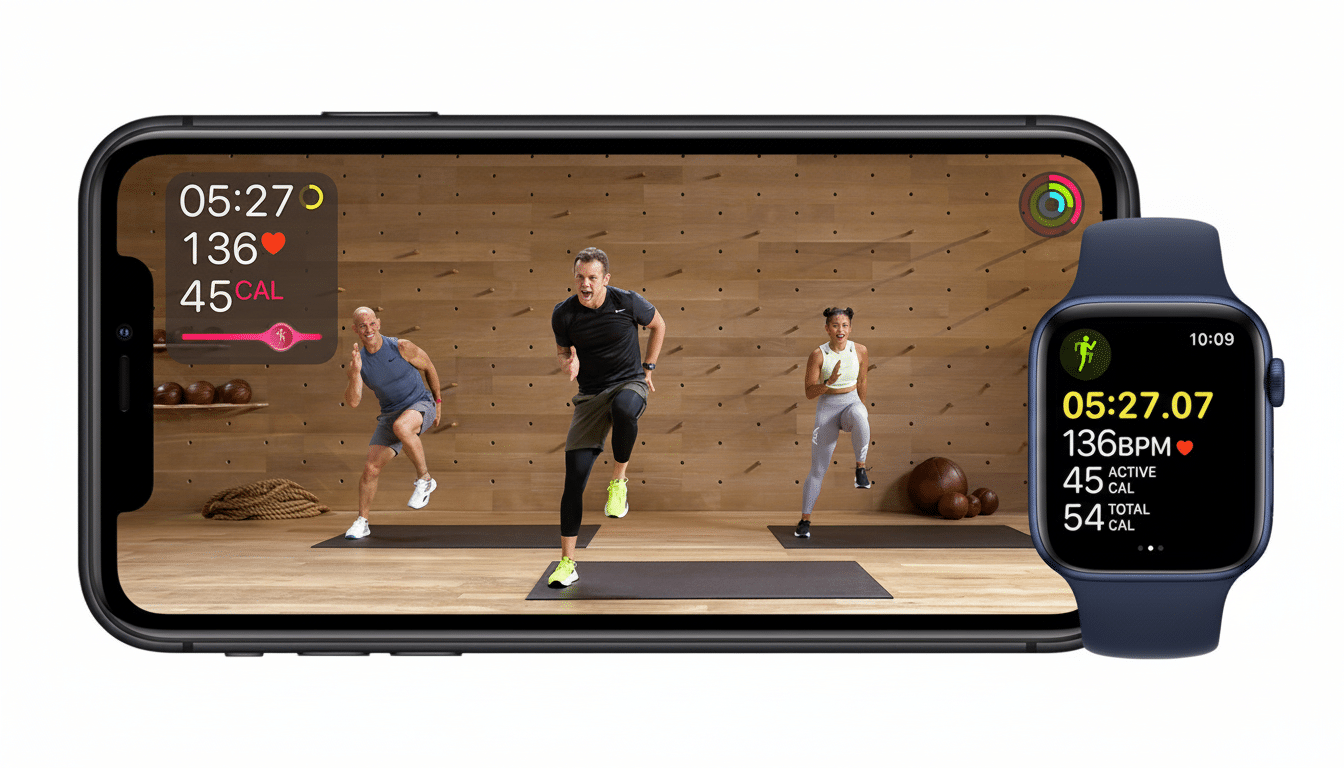
Fitness+ lives inside the Fitness app on iPhone, iPad, and Apple TV, delivering real-time metrics from your Apple Watch, including heart rate, calories burned, and progress toward closing that pesky Move ring right on screen. AirPods Pro 3 integration elevates in-ear coaching and controls, so you can stay in the moment and on your game without constantly looking at your phone during peak workout moments.
The service is priced at $9.99 a month (or $79.99 per year) after a one-month free trial. Three months of Fitness+ are free with eligible Apple device purchases, and the service is also part of Apple’s bundle called Apple One for people who have already bought into the company’s many services.
The Bigger Picture For Apple’s Health Ambitions
Apple’s framing of a “comeback” is grounded in this simple truth: most people don’t need more complexity; they need a doable plan that meets them where they are. With the World Health Organization reporting that almost 28% of adults are insufficiently active, reaching people with a strategy centered on habit formation (not heroic effort) is likely the key to moving this needle.
For Apple, Fitness+ also tightens the flywheel between services and wearables. Close your rings, catch a Time to Walk story, stack a 10-minute yoga flow on a hectic day: little interactions that build daily streaks and keep us coming back. If these comeback plans help more people turn the first few weeks into a permanent routine, they will be doing exactly what they are designed to do.