


Clues tucked deep in the latest iOS beta indicate that Apple is hard at work on a new way for iPhones to work better with non‑Apple smartwatches. Code references reportedly indicate there will be a new Notification Forwarding setting and fresh developer framework, changes that might finally make life easier for anyone who has tried to use a Galaxy Watch or Pixel Watch or Garmin or Fitbit with an iPhone.
What the iOS beta tells us about watch support
Apple is testing a feature called Notification Forwarding that mirrors iPhone alerts to a third‑party accessory, according to analysis of the iOS beta. A protocol string indicates that it can only pass along to one accessory at once, and specifically not Apple Watch. That carve‑out suggests this is intended to surface iPhone notifications on other wearables rather than duplicating everything we know about Apple Watch today.
- What the iOS beta tells us about watch support
- Why Apple may be keeping the door ajar for wearables
- What it could mean for your watch and iPhone use
- The technical puzzle pieces Apple may be assembling
- Market implications for Apple, Samsung, Garmin and Fitbit
- What to watch next in upcoming iOS betas and rollouts
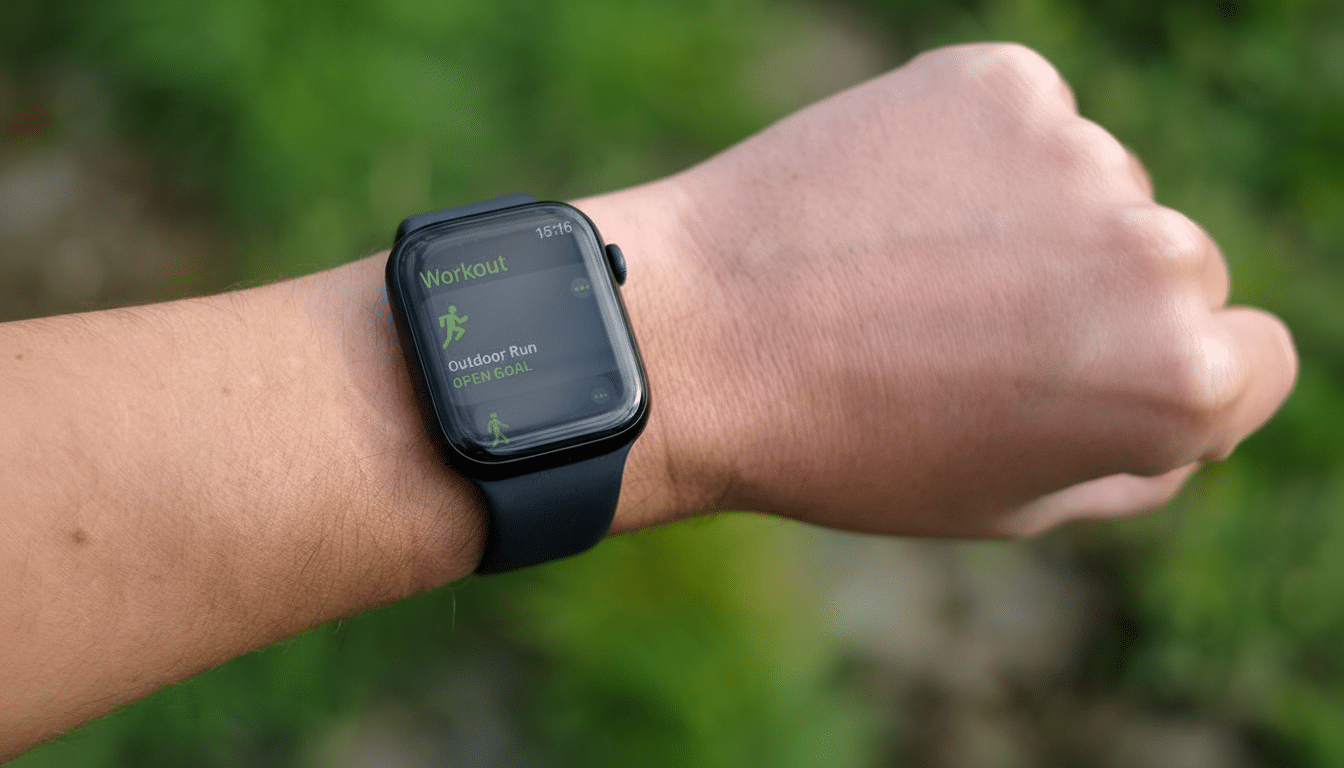
The beta also points to a new framework by the name of AccessoryExtension. While the name is incomplete, it suggests a standardized method for accessories (possibly watches?) to pair with standard iOS services such as notifications and pairing. Many non‑Apple devices today use Apple’s ANCS (Apple Notification Center Service) over Bluetooth for fundamental notifications, but it can be restrictive and inconsistent with things like replies or rich media. What a first‑party framework might do is to formalize and enlarge that realm of possibilities that third‑party watches are permitted to access.
Don’t expect an overnight transformation. It’s code that suggests a work in progress at best as a feature for users, but it is a remarkably clear indication that Apple is preparing new ground for non‑Apple wearables.
Why Apple may be keeping the door ajar for wearables
The scrutiny of regulators is one reason. The Digital Markets Act of the European Commission mandates that “today’s gatekeepers give their users the option to access more interoperable core platform features.” In Apple’s example, that involves notifications, proximity‑based pairing and the likes of AirPlay and AirDrop. Apple has already begun to make broad changes under this umbrella, including allowing alternative app marketplaces in the European Union.
Apple has a precedent of doing more than the minimum locally.
In Denmark, Apple agreed to follow local labor terms when it won Danish government approval for data centers in Viborg and Foulum.
USB‑C on iPhone, which was first made to satisfy the EU’s regulations, became a universal standard throughout the lineup. Even with the combined attributes of EU‑targeted compliance and Notification Forwarding/new accessory hooks, it could very well still trickle down to iPhone users at large.
What it could mean for your watch and iPhone use
For Wear OS watches such as the Galaxy Watch and Pixel Watch, better iPhone support would translate to more consistent notifications, richer actions on the wrist (imagine archiving emails, muting threads or quick replies where available), and potentially easier pairing without workarounds that verge on arcane.
For Garmin and Fitbit fans, it could stabilize alert delivery and reduce the app‑by‑app permission juggling that sometimes goes to hell after iOS updates.
The big question marks are health and messaging. Apple’s HealthKit currently allows third‑party apps to write and read certain data, but for Apple Watch health functions — ECG, irregular rhythm notifications and oxygen saturation trends — this is heavily integrated and tightly controlled. You can’t expect every advanced Apple Watch feature to show up on rival hardware. The more plausible near‑term gains: better notification fidelity, fewer Bluetooth hiccups and cleaner handoffs for calls and calendars.
The technical puzzle pieces Apple may be assembling
Modern‑day third‑party watches depend on ANCS over Bluetooth GATT to mirror alerts, which is brittle when apps run in the background and get into a throttled state, or when accessory device apps are ousted for permission reasons. The existence of a system‑level Notification Forwarding toggle hints at this, but Apple may want to intermediate alerts more consistently, with common permissions and perhaps richer payloads (action buttons, categories and context), whilst also respecting privacy controls.
A potential AccessoryExtension framework could work similarly to other Apple extension points (CarPlay is a good example) where Apple defines capabilities, UX guidelines and entitlements that ensure experiences stay consistent. There will be limitations, but there will also be clearer rules for accessory makers to build toward rather than reverse‑engineering behavior release by release.
Market implications for Apple, Samsung, Garmin and Fitbit
Apple is constantly set at the top spot for global smartwatch shipments, according to analyst firms like Counterpoint Research and others, with Samsung and Garmin typically competing to take up the next few slots. Apple also reports that there are more than two billion active devices around the world, demonstrating just how large that iPhone customer base is. Even small improvements to iPhone integration could push millions of “round design, longer battery life or sport‑first features” buyers to look at non‑Apple watches for their round designs without losing out on the bells and whistles.
For Apple, stronger third‑party analog and digital watch faces don’t cannibalize Apple Watch; they can also make iPhone more appealing in markets where Wear OS and sport‑specific watches are popular. And for rivals, a more obvious migration path cuts the “you really should switch to Android” friction that’s persisted for years.
What to watch next in upcoming iOS betas and rollouts
Look further down the road at succeeding iOS betas, developer documentation and whether Apple uses access to things like MFi certification. Also look for regional availability; interoperability might come where regulation requires it, then expand if the engineering work makes global rollout make sense.
The takeaway here isn’t that the iPhone will suddenly have feature parity with the Apple Watch on rival hardware. It’s just that Apple seems to be constructing an official path for what can be a transition from “it works, mostly” to “it’s supported.” For iPhone owners who adore their non‑Apple smartwatch, that might be the most significant upgrade in years.