


A divide is unfolding in Cupertino that’s reminiscent of another famous debate taking place on screen: the one in “The Patent Office Is Getting It Wrong.” The iPhone is consuming the smartphone discussion and the sales charts, yet a few of Apple’s top executives are walking out the door. To outsiders, that looks contradictory. Within the world’s most closely watched consumer-tech company, it appears to be a matter of timing, strategy and the vagaries of a leadership transition — but no crisis.
New pushes across AI, design, law and sustainability came as iPhone versions led global best-seller and premium share rankings. The issue is not whether Apple is losing its edge; it’s why senior executives are deciding to bow out or change chairs now.
We Can See, And Measure, The iPhone Momentum
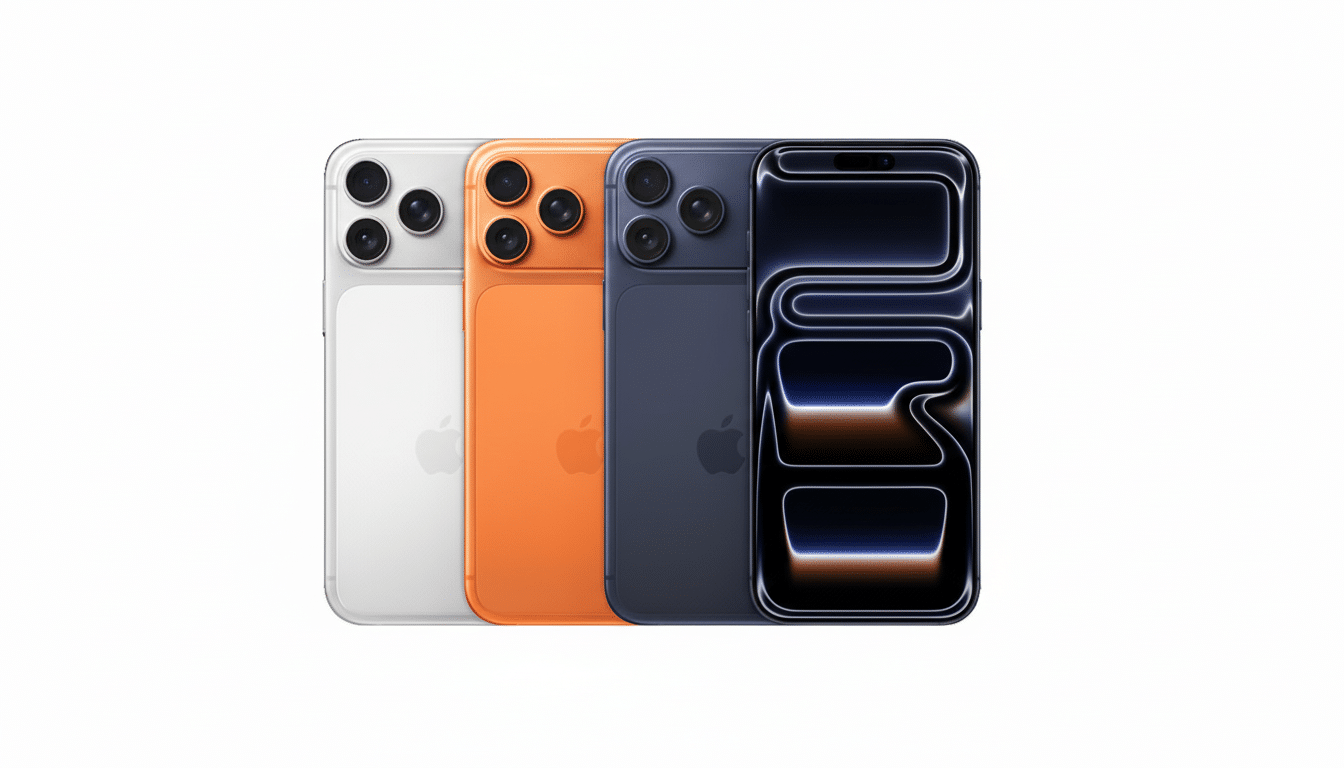
According to Counterpoint Research, iPhone models hold many of the top spots in global rankings by individual device. In its most recent quarter, several versions of the iPhone were among the top-selling models, with Apple also managing to get a newly introduced high-end model in the top 10 despite availability constraints — an unusual sign of early-cycle strength. Samsung’s Galaxy A-series is still represented, but the model-by-model leaderboard is more and more an iPhone story.
Below the unit leaderboard is a much more telling measurement: profit. Counterpoint has regularly reported Apple snatching over 80% of smartphone operating profits thanks to its premium pricing and ASPs (Average Selling Prices) and a cadence of updates driven by loyalty. Apple rules the crucial $600+ segment of the market.
Demand durability is global math but isn’t only that. For example, on the latter measure (intent), Piper Sandler’s long-standing teen survey out of the U.S. shows north of 90% of teens owning a smartphone and positive purchase intent from more than 85%+. Respective scale has been approximately isomorphic with high-income countries’ levels of these measures (iPhone ownership / iPhone purchase intent) documented here today by Common Sense Media. According to CIRP, iOS retention is up around 90%. Altogether, the iPhone franchise is a flywheel: strong brand pull; sticky ecosystem; and a services layer that compounds lifetime value.
So Why The Exits Now: Succession, Pay, And Refresh
First, the succession clock. Under Tim Cook, that’s generated a multitrillion-dollar run and a services-heavy engine. Anyone smothering his predecessor on the throne steps further onto a vast horizon, where potential heirs come within sight and others may rethink ceilings. When a CEO transition shifts from theoretical to likely, experienced lieutenants typically make the call whether to re-up for another tour or take another shot elsewhere.
Second, compensation cycles. Apple’s equity awards typically vest in multiyear tranches aligned with product calendars. A generation of iPhone cycle and AI reset later, crucial grants have synced. It’s a tried and true window for senior operators to make career moves — especially when rival megacaps are slinging premium packages to expedite their own agendas.
Third, organizational refresh. Apple is known for longevity, but it also turns over leaders to maintain velocity. Times of product dominance are precisely when great companies swap engines midflight — because they can. The message is continuity via planned handoffs, not discontinuity.
AI Reset And The Intensifying War For Talent
If anything, nowhere is the reboot more obvious than AI. Apple also confirmed a management change with the departure of John Giannandrea from the machine learning and AI team (Bruce Sewell already foreshadowed that to those who listened) and elevation of Amar Subramanya, a veteran responsible for driving the Google Gemini rollout before briefly working at Microsoft before Apple hired him. That profile — deep foundation-model experience plus platform pragmatism — is exactly what Apple needs as it melds on-device models with selective cloud partnerships.
Industry reporting has indicated that Apple is broadening the suite of large-language-model choices it can leverage from outside sources while building its own stack. This two-track approach is very Apple: ship useful features quickly, prioritize privacy by doing inference on device and invest quietly in core models until they’re ready to go it alone.
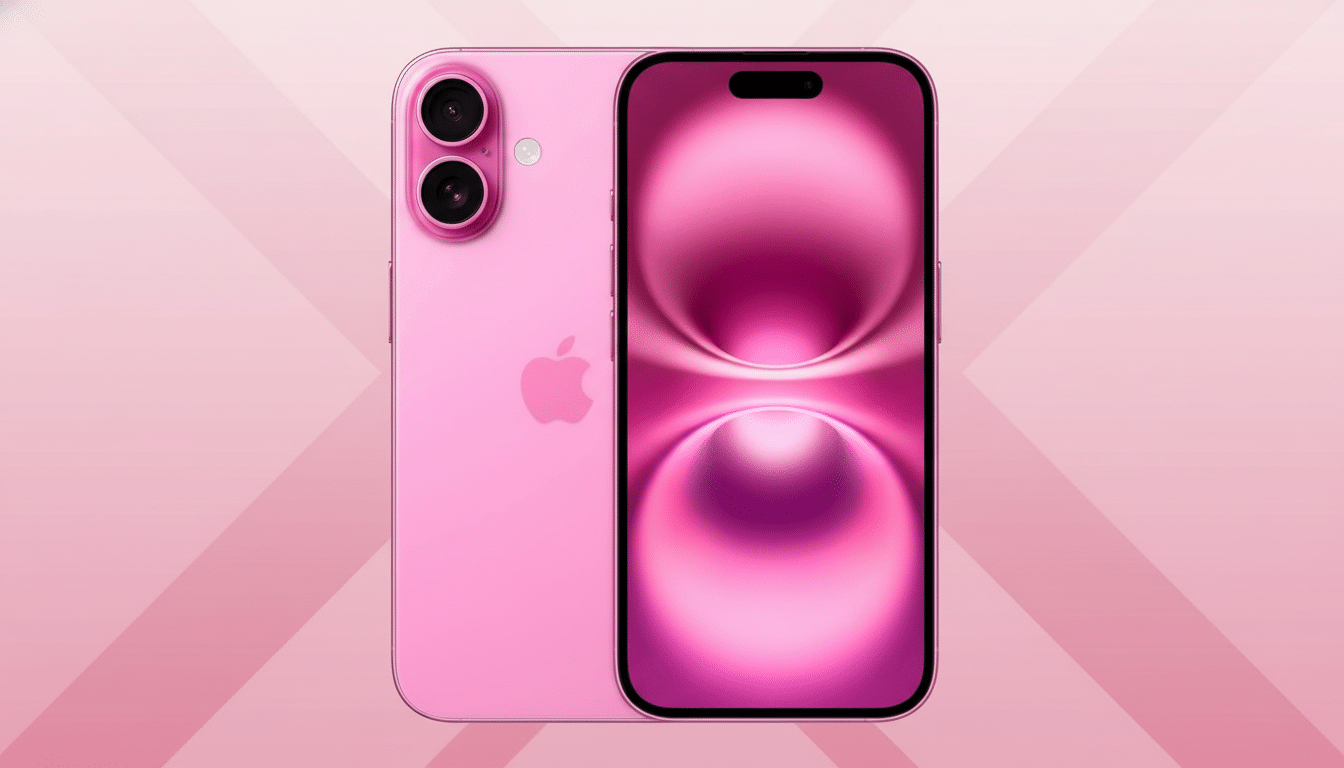
Seen in that light, an AI leadership shuffle in a hot labor market feels a lot less like turmoil and more like a focused upgrade, while the iPhone user base represents an enormous distribution runway for new features powered by intelligence.
Design Turnover, Not Design Drift, Signals Continuity
Apple’s design chief for many years, Alan Dye, is leaving for Meta, in what some observers called a significant loss.
Inside Apple, however, the promotion of Mr. Lemay won plaudits from longtime watchers and employees. The handoff comes on the heels of a divisive visual overhaul — Liquid Glass — that indicated a willingness to flirt with novelty while preserving the core virtues of usability.
Design is tilting at Apple, ever more so, toward taste with telemetry: ship, instrument, iterate. The substitution implies (however inadvertently) a digestion rather than a spitting out of that ethos, especially given hardware and software teams are more closely linked than at any point since the Jony Ive days.
Succession Looms, But The Bench Is Deep And Ready
Outside of AI and design, movement includes the retirement of general counsel Kate Adams and exit of sustainability lead Lisa Jackson after a decade shepherding recycled materials and clean energy milestones. Meantime, rumors of the departure of chip chief Johny Srouji were internally swatted down, demonstrating how quickly chattering outruns facts when it comes to Apple silicon — the crown jewel (/memory bottleneck) that powers iPhone’s performance leadership.
Meanwhile for the top job, the industry consensus is that hardware chief John Ternus has grown into the obvious heir apparent. He is a two-decade veteran with a consistent keynote presence and the low-ego, high-alignment approach that aligns so well with Apple’s operating cadence. A clear line of succession often triggers both promotions and exits; it doesn’t signify instability.
What It Means For Investors And Everyday Users
When iPhone demand is this resilient, executive departures read in a new light. It’s the tell that the platform has muscle for transformation as well, and a moment to recalibrate for the next wave — AI-first experiences, deeper services integration, silicon that keeps Apple a generation ahead in efficiency and performance.
The big story is not that Apple leaders are exiting, even amid iPhone strength. It’s that they can leave because the franchise is good, with the bench deep and everything chugging along according to a strategy that keeps the world’s most valuable consumer platform compounding. In sum, the iPhone is winning where it counts most — profit and preference and premium — and Apple is leveraging those advantages to get ready for its next 10 years.