


Apple’s countdown is ticking, and the final wave of reliable leaks is painting a picture of one of the company’s most ambitious refreshes in years: an ultra-slim iPhone 17 “Air,” redesigned camera systems on Pro line, large health pushes for Apple Watch Series 11 and Ultra 3, and smarter AirPods Pro 3 with new wellness features.
iPhone 17: Ultra-thin, camera visor, smarter charging
Factory CADs shared between case makers and images passed around by long-time leakers hint at an iPhone 17 Air barely focusing on thinness and weight, rumours put it at approximately 5.5mm. If true, it would be Apple’s thinnest modern iPhone, appealing to those who want a big screen without a lot of additional heft.
- iPhone 17: Ultra-thin, camera visor, smarter charging
- Apple Watch Series 11 and Ultra 3: Health in the driver’s seat
- AirPods Pro 3: Health features and better active noise cancelation
- Apple Intelligence: The iPhone 17’s secret superpower
- Accessories, ecosystem clues and one weird leak
- How to watch and what to watch for
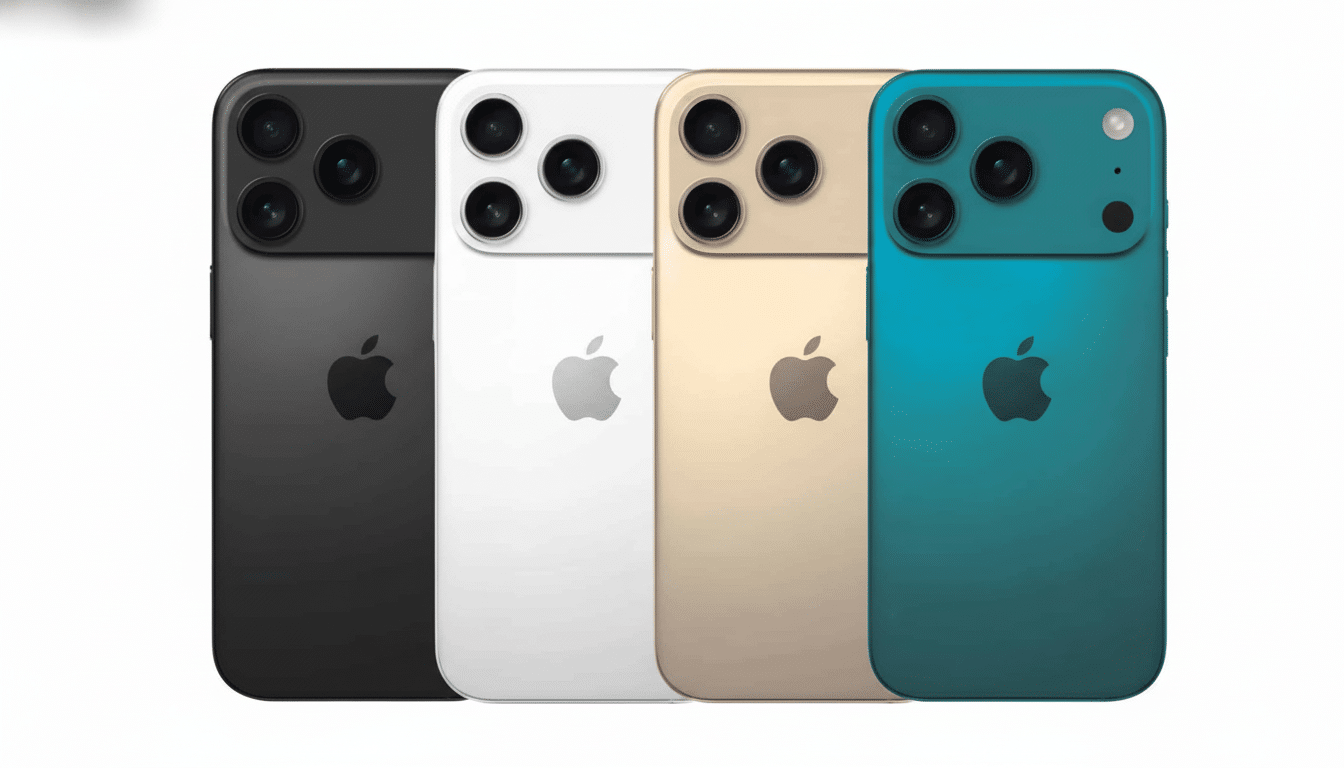
On the Pro side, several supply chain notes caught by Bloomberg and Display Supply Chain Consultants reference a bigger “camera visor” module. Expect a beefier telephoto — perhaps an advanced tetraprism — along with computational photography improvements that rely on a more powerful Neural Engine.
A two-tone rear panel has been rumored, with a designated coil area suggesting stronger Qi2 alignment and faster MagSafe.
The accessory makers gearing up two-way charging cases suggest reverse wireless charging will return to play as well, a feature that is common on Android flagships.
One strategic wrinkle: the iPhone 17 Air is rumored to supplant the underperforming Plus. Consumer research firms such as CIRP have consistently reported tepid demand for the middle-tier big iPhone, and an ultra-thin Air could reset that story line with a premium hook at a price point significantly below Pro Max.
Apple Watch Series 11 and Ultra 3: Health in the driver’s seat
Watch Series 11 will likely get thinner and add health sensors and smarter tracking. The Information and long-time analyst notes have suggested trend-based blood pressure insights (nonclinical readings, that is) and more in-depth temperature analysis dovetailing with recovery metrics.
Rumours also suggest tweaks to how blood oxygen is handled, as well as low-power workout modes that eke out longer runs or hikes. Apple’s custom S-series chip is ready for a significant efficiency bump that would dovetail with WatchOS features teased at WWDC.
Ultra 3, Apple’s tougher flagship, is reportedly getting improved safety features and GPS. There have been whispers throughout the industry about satellite-enabled features for remote alerts; even a slight enlargement of emergency coverage would be a marquee addition for the adventure crowd.
An SE 3 model is also believed to complete the series, ensuring that price-sensitive users retain one foot in the ecosystem. Counterpoint Research points out that Apple leads in smartwatch revenue share thanks to health features; expanding the portfolio would likely strengthen that lead.
AirPods Pro 3: Health features and better active noise cancelation
The AirPods Pro 3 talk has been focusing around wellness tracking and next‑gen noise cancellation. With Apple-owned Beats already offering heart-rate features on similar silicon, the analysts expect limited health signals (such as the ability to detect HR trend) to arrive on AirPods Pro without sacrificing the buds’ battery life.
Audio-side expect improved wind reduction for calls, adaptive ANC that retunes in noisy commutes and tighter Find My and louder case chirps. There are also whispers of hearing health nudges — similar to Apple’s push in accessibility, with safe listening reminders and optional hearing exams.
Apple Intelligence: The iPhone 17’s secret superpower
If the hardware is to be believed, the iPhone 17 family should be the best demonstration yet of Apple Intelligence, the on‑device AI suite unveiled at WWDC. Think a more proactive Siri, systemwide writing tools and image creation features that run locally when silicon allows and kick into private cloud compute when needed.
Apple has said that the latest A.I. features need to be powered by newer A‑series and M‑series chips to use on-device processing. And that will mean older iPhones will have to make do with some of the features, as the iPhone 17’s updated Neural Engine ought to deliver quicker but also more private responses and deeper app integration.
Accessories, ecosystem clues and one weird leak
A late odd leak from infamous people-tracker Sonny Dickson shows a crossbody strap attachment for new iPhone cases. It’s sleek and fashion-forward, but it also suggests Apple doubling down on lifestyle accessories — a product category that commands high margins and accentuates every day wearability.
You should also see improvements to Wi‑Fi and Ultra Wideband under the hood, tightening up device-to-device handoffs. DSCC has suggested that brighter, more power-efficient LTPO displays will get bigger, stretched to more models, pushing smoother scrolling and always‑on behaviors beyond the Pro tier.
Apple’s high-end is holding up under varying global smartphone shipment conditions, according to IDC and Counterpoint data.
It would have been a textbook Apple play: make the experience on the device where everyone interacts every day a little more polished, while giving a slightly sicker health story and a more real AI bump.
How to watch and what to watch for
Apple will show the keynote on its website, the Apple TV app and YouTube. Look for rapid-fire demos: camera upgrades on the Pro models, AI-infused workflows on iPhone, new Watch health tiles and a short AirPods segment with a concentration on smarter noise control and wellness.
Big questions that remain unanswered: Does reverse wireless charging ship this time? How far will Apple take cuffless blood pressure tracking? And will AirPods Pro 3 swing for the health fences without sacrificing sound? We’re moments away from answers — and maybe from Apple’s thinnest iPhone ever.