


Apple’s “Awe Dropping” spectacle is rolling, and the company is folding hardware, software and services in one tidy, polished pitch: faster silicon, smarter cameras, richer displays, and a more seamless design language across the ecosystem. We are tracking every new headline as it breaks — and unpacking what it means for readers and the rest of the world.
iPhone 17 lineup: Cameras, silicon, and a razor-thin wild card
The iPhone 17 family is all about cameras and efficiency. Look for a fresh full‑width camera “island” that unifies the housing while providing Apple more space for larger sensors and better thermal management. In the case of Pro models, the rumours have so far settled on a 48MP telephoto and an 8x optical zoom – a significant jump over the 5x optical found in last year’s models and an explicit thumbing-of-the-nose to the zoom arms race of premium phones upgrades, as indicated by Counterpoint Research’s latest buyer surveys.
- iPhone 17 lineup: Cameras, silicon, and a razor-thin wild card
- iOS 26 and Liquid Glass: Consistency that actually works
- Apple Watch Series 11, Ultra 3 and SE: Screens, life, 5GNEXT ARTICLE:Jumpers can use their resistance for better airport security
- AirPods Pro 3: Smaller case and smarter sensors
- Accessories: Magnetic Crossbody Strap and creator‑focused tweaks
- Specs, pricing, and what Apple won’t tell you on stage
- The bigger picture: Apple Intelligence without the hype
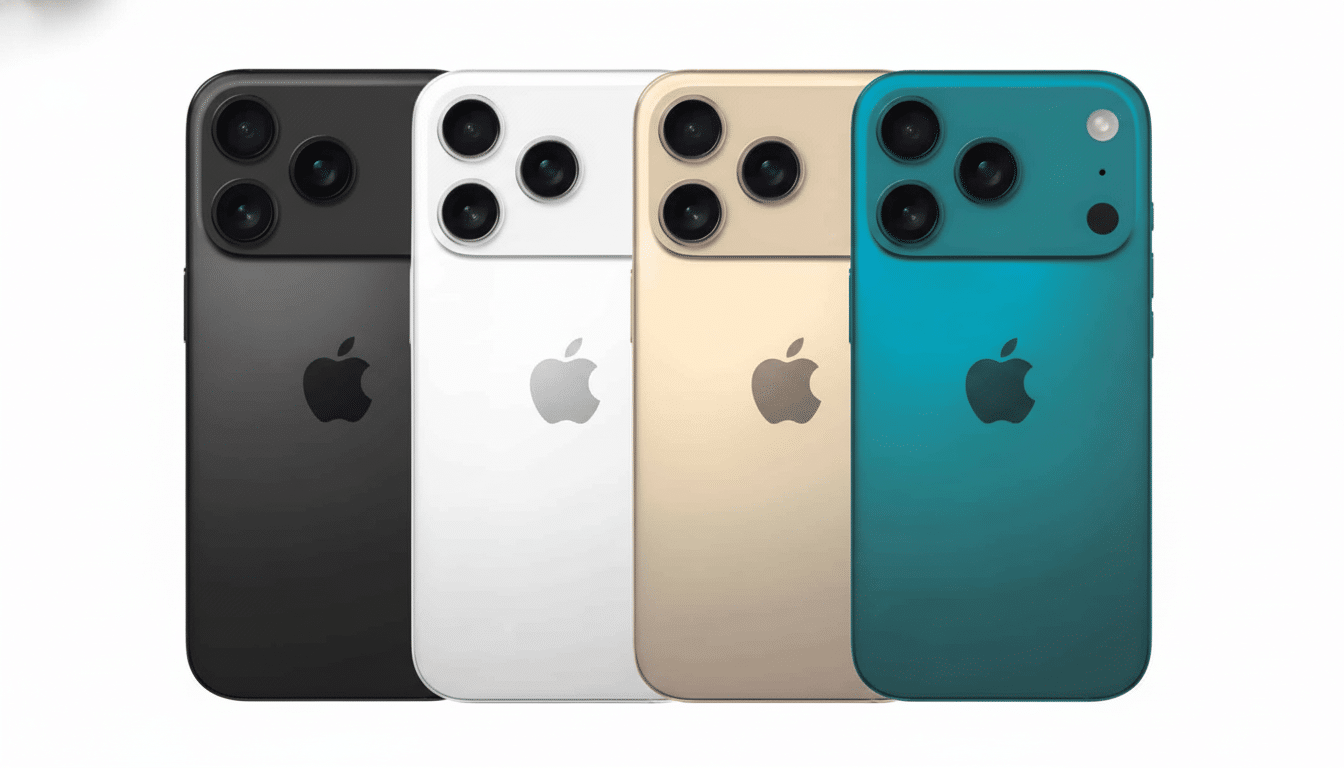
Equally interesting: whispers of official multi-camera video-capture support in the native Camera app and a separate “Pro Camera” mode with split-second shutter and ISO controls. This would get Apple closer to what filmmakers are already doing in third‑party mags, but creating the possibility for creators to sync rear and screen feeds without half‑baked hacks along the way. If Apple couples that with its new image signal processor and more intelligent subject detection — there won’t be any difference in still or video recording — you get steadier exposure, because the iso won’t be bouncing all around, fewer highlights and low‑light video that’s less noisy.
For power users, the Pro line has been tipped to head down the A19 Pro line from TSMC’s 3nm family, with rumours of 12GB of RAM and even 8K video in the offing via carrier spec sheets quoted by Apple-watchers. As ever, Apple doesn’t chat about RAM or battery capacity on stage, so watch for post‑event spec pages for confirmation.
Then there’s the rumored iPhone 17 Air — a design flex that supposedly slashes thickness to around 5.5mm and weight to around 145g. The trade‑offs are, well, what you’d expect: a single rear camera and a smaller battery.
Assuming pricing does follow the old Plus tier, Apple is essentially trading “bigger battery” for “ultra‑thin” and trying to see if industrial design can be a legitimate selling point all on its own.
iOS 26 and Liquid Glass: Consistency that actually works
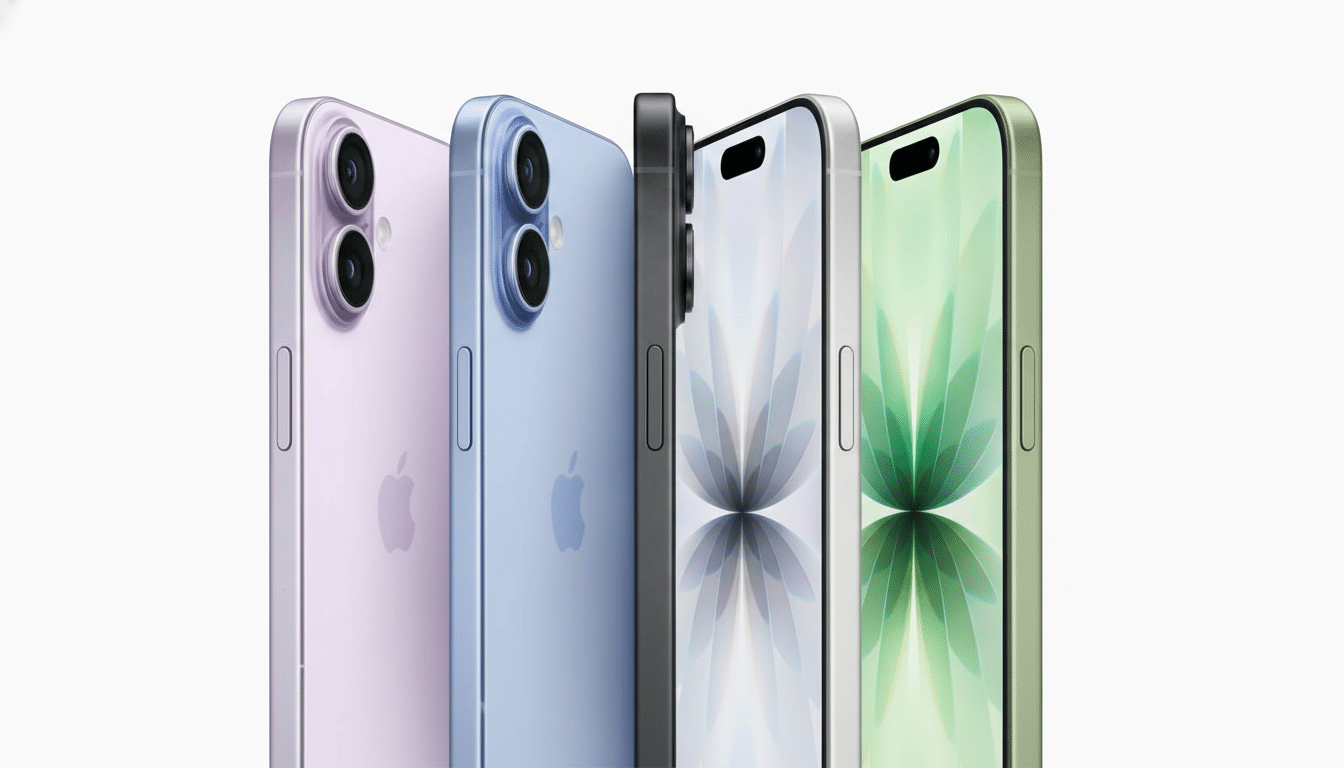
Apple’s Liquid Glass look isn’t just a facelift. On the iPhone, translucent layers bleed over the lock screen, adding a sense of depth to space or locations, and there’s a hint of parallax that prevents widgets and notifications from seeming like they’re floating. And full‑screen music art is a bit of iPod‑era theater that comes back — and works, especially on larger devices.
Reviewers who lived in the beta say they appreciated the system-wide consistency among iOS 26, macOS Tahoe 26, iPadOS 26 and watchOS 26, while pointing to a few rough edges in Messages’ new controls. The larger story here is consistency — the typography, translucency and motion behaviors across devices now line up, which, according to studies on human‑computer interaction, can make it easier to use a product and help users learn it faster.
Apple Watch Series 11, Ultra 3 and SE: Screens, life, 5GNEXT ARTICLE:Jumpers can use their resistance for better airport security
The newer look for the watch line relies on brighter and more efficient panels and S11 chip. Don’t look for laptop-class speed improvements; do look for improved stamina and quicker Siri answers. Several reports from the supply chain have suggested larger displays with narrower bezels, while analysts have speculated about the potential for 5G in cellular models — not so much for speed, but instead for robust coverage in areas with congestion, or as people are on the move.
Health additions are the watch’s guiding, north star. Regulatory barriers also mean features such as blood pressure trends and advanced temperature tracking are launched carefully, country by country. Even so, Apple’s slice of the smartwatch pie remains a big one, with the likes of IDC and Canalys both thanking health features and ecosystem integration for keeping Cupertino out in front.
AirPods Pro 3: Smaller case and smarter sensors
The general consensus is that when it comes to the AirPods Pro 3 we’re going to see a revamped case, an H‑series chip increase, and upgraded active noise cancellation. The headline rumour is health: in‑board heart‑rate monitoring and temperature sensing in the ear canal. It’s a sensible move — the ear is a steady place to take readings — and it could really add some context to your fitness data when paired with Apple Watch.
What’s more, I’ve heard chatter about live translation in the pipeline, which jibes with Apple’s privacy-first approach to on-device intelligence. Analyst Ming‑Chi Kuo, meanwhile, has suggested AirPods 4 will arrive sooner than many had hoped, leaving Pro to work as the high-end health and ANC play while the non-Pro line targets scale in the mass market.
Accessories: Magnetic Crossbody Strap and creator‑focused tweaks
Leaks from cases with lanyard cutouts and 9to5Mac’s reports, both highlighted by leaker Sonny Dickson, suggest a new Crossbody Strap that snaps on magnetically (as opposed to feeding through its own hardware). It’s a minor quality‑of‑life change that has huge implications for creators: faster attachment, more consistent framing, and one more nudge toward using iPhone as a main camera.
Specs, pricing, and what Apple won’t tell you on stage
A so-called carrier slide doing the rounds on social media pitted iPhone 17 models against the latest Samsung flagship and cited 8K recording, 12GB of RAM, and A19 Pro branding. Another leak through GSMArena puts the Pro Max battery at 5,000mAh — a first for Apple if true. Consider it all as suggestive, not determinative. Apple seldom discusses RAM, sensor sizes, or battery capacities in its keynotes; usually, third‑party teardowns and carrier listings (in the U.S., anyway) supply the absent information after the fact.
Pricing dynamics will also be closely watched. Research companies like Counterpoint estimate that Apple now claims a majority of the $600‑and‑up segment. That gives the company room to segment features — ultrathin design here, pro‑grade cameras there — without kicking off a price war. If you are ready to surrender, then imagine careful upsell ladders rather than across‑the‑board hikes.
The bigger picture: Apple Intelligence without the hype
Rumors point toward a more measured rollout of Apple’s AI ambitions, rather than a flashy reinvention of Siri. This all makes sense given the company’s recent direction: on‑device models for privacy, and cloud assists where necessary, AI that feels less like techno‑theatrics and more like interface spit and polish. If the balance feels right — letting features like Liquid Glass, smarter cameras, and sensors for your health do the talking — then the “Awe Dropping” theme won’t need the pyrotechnics to stick the landing.
Bottom line: this even is more about compounding thoughtful refinements that build across iPhone, Watch, AirPods and iOS than one killer moonshot. That’s the kind of awe that lasted beyond the keynote for most buyers.