


Apple appears to be first out of the gate on a feature drivers have been requesting for years: native video playback in CarPlay while the vehicle is parked. Developer documentation surfaced by independent researchers points to a new Apple TV app inside CarPlay and an “AirPlay video in the car” capability now available to developers in the latest iOS beta, suggesting in-dash video is nearing public release.
What Apple Is Testing for CarPlay Video Playback
According to materials reviewed by third-party developers, Apple has enabled a CarPlay-optimized TV app that lets drivers browse their existing libraries from apps installed on the iPhone and cast video to the car’s display via AirPlay. Early indications show the experience is gated to when the car is stationary, aligning with safety requirements, and content progress syncs with the TV app on the phone—so you can resume a show at home where you left off in the car.
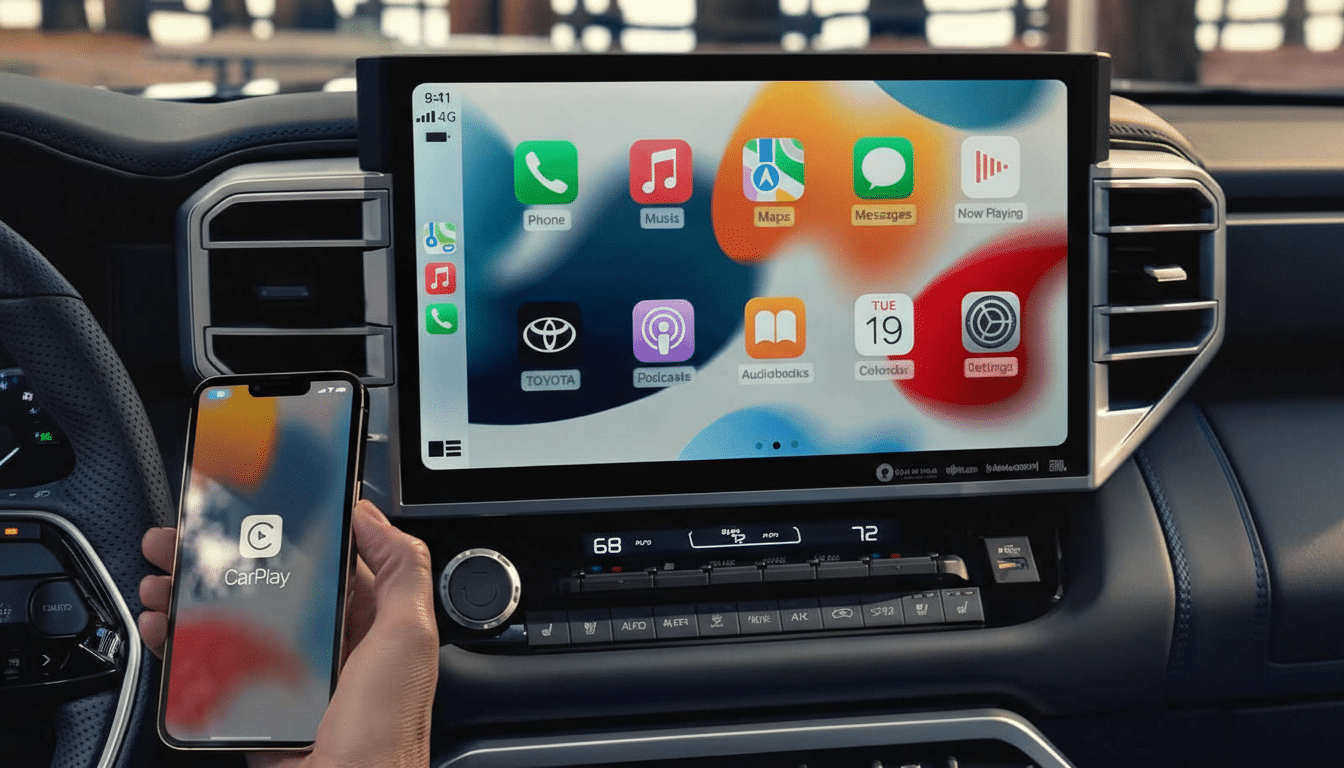
Right now, testing appears limited to Apple’s TV app running on the iPhone and rendered through CarPlay, which keeps heavy lifting—like DRM and decoding—on the phone rather than the head unit. That architecture should help it work broadly across existing CarPlay-capable vehicles without requiring new hardware, while still letting Apple enforce the parked-only rule.
Why Drivers Want Native CarPlay Video Support
As dashboards shift to expansive 10–15-inch touchscreens—and in some luxury models, even larger—owners increasingly expect their car screens to behave like tablets when parked. Road trips and charging stops are natural windows for quick entertainment, and rivals such as Tesla, Rivian, and several Android Automotive models already offer native video apps when stationary. In owner surveys from organizations like J.D. Power, smartphone mirroring consistently ranks among the most-desired in-car technologies, and video has been a top request in reader polls across enthusiast communities.
Safety remains the immovable constraint. Regulators and safety groups, including NHTSA and the AAA Foundation for Traffic Safety, have long tied visual-manual distraction to thousands of crashes and over 3,000 annual fatalities. Any mainstream implementation must hard-lock playback whenever the vehicle is in motion and provide clear controls to prevent misuse—a pattern Apple appears to be following.
Where Android Auto Stands on Parked Video Playback
Google previously signaled that video apps would come to Android Auto with strict parked-only limitations, mirroring what’s already available on cars running Android Automotive with Google built-in. However, despite developer guidance and onstage mentions, the feature has yet to materialize widely in Android Auto, and Google has not shown a public demo inside the familiar projection interface. That gap leaves Android Auto users relying on automaker-specific solutions—or going without—while Apple moves toward a controlled rollout via the TV app.
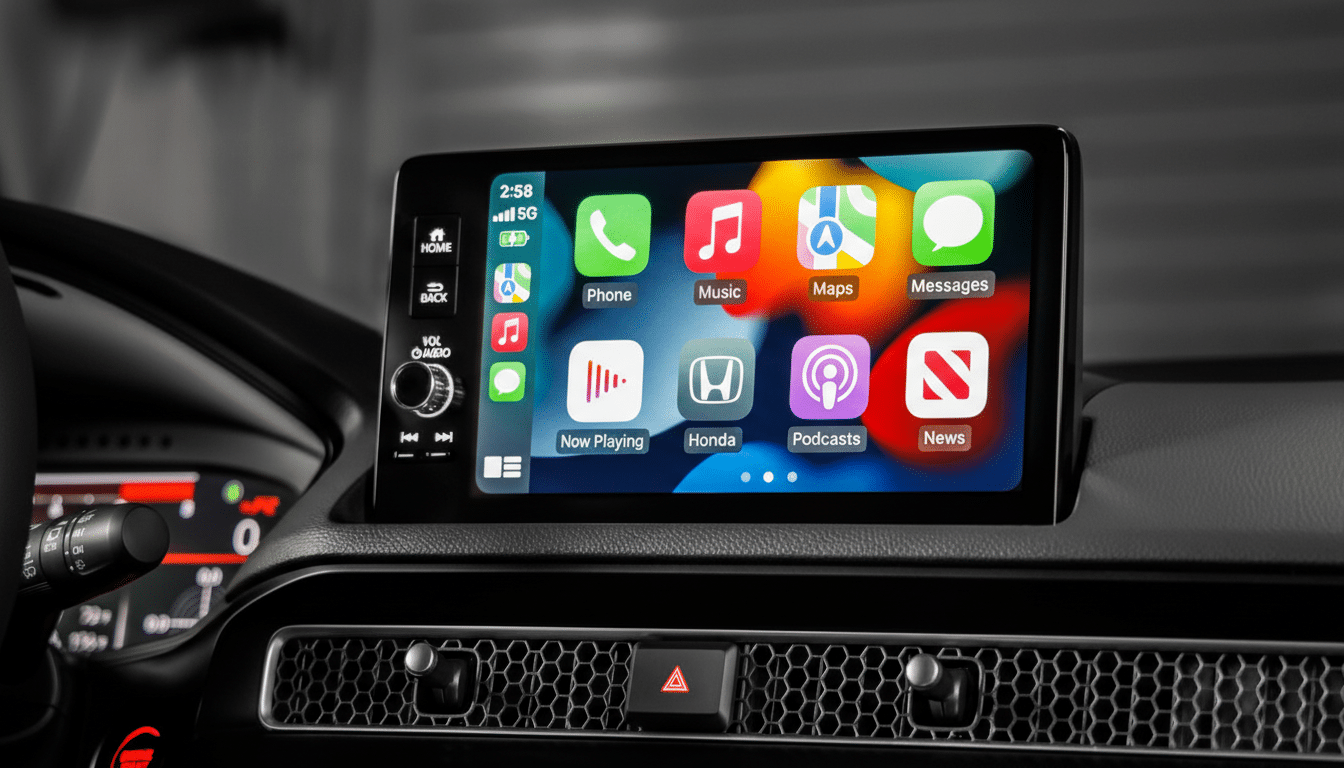
The distinction matters. Android Automotive (a native OS in the vehicle) already supports services like YouTube and Prime Video in select models, but Android Auto (phone projection, akin to CarPlay) is what most drivers use today. If Apple delivers parked video first in the projection space, it gains a tangible headline feature in a market where parity has been the norm.
How This Could Roll Out Across Existing CarPlay Cars
Apple’s developer simulator for CarPlay reportedly already includes the video experience for testing, which typically precedes a controlled public release. Expect an initial Apple TV-only approach while Apple validates the safety gates and user experience. If the company opens entitlements, third-party streaming apps could follow, subject to content licensing and Apple’s review policies.
Because the playback logic resides on the iPhone and is cast via AirPlay to the car display, most vehicles with existing CarPlay support should be compatible. That approach also reduces fragmentation for automakers, who won’t need to certify separate in-vehicle video stacks.
What It Means For Automakers And Drivers
For automakers, parked video in CarPlay could sharpen the consumer case for keeping smartphone projection front and center, even as some brands explore phasing it out in favor of native systems. For drivers, it’s a quality-of-life upgrade that transforms downtime—waiting at school pickup, charging an EV, sitting in a ferry line—into moments you can actually use.
The remaining questions are timing and scope: when Apple will flip the switch for the public, whether more streaming apps will be approved, and how quickly Google can close the gap in Android Auto. For now, it looks like Apple is poised to deliver parked video first in mainstream phone projection, edging ahead in a feature race that users have been loudly asking to win.