


Apple has acquired Q.ai, an Israel-based artificial intelligence startup known for audio and imaging breakthroughs, in a deal reported by the Financial Times to be worth nearly $2 billion. Reuters first flagged the transaction, which positions Apple to accelerate on-device AI features across AirPods and Vision Pro as competition intensifies among Big Tech rivals.
Why Q.ai Matters for Apple’s On-Device AI Push
Q.ai has developed machine learning that allows devices to interpret whispered speech and boost intelligibility in noisy environments—an area where small, power-efficient models and sensor fusion outperform cloud-heavy approaches. That dovetails with Apple’s stated aim to keep sensitive interactions on-device and builds on recent AirPods features, including live translation announced last year.
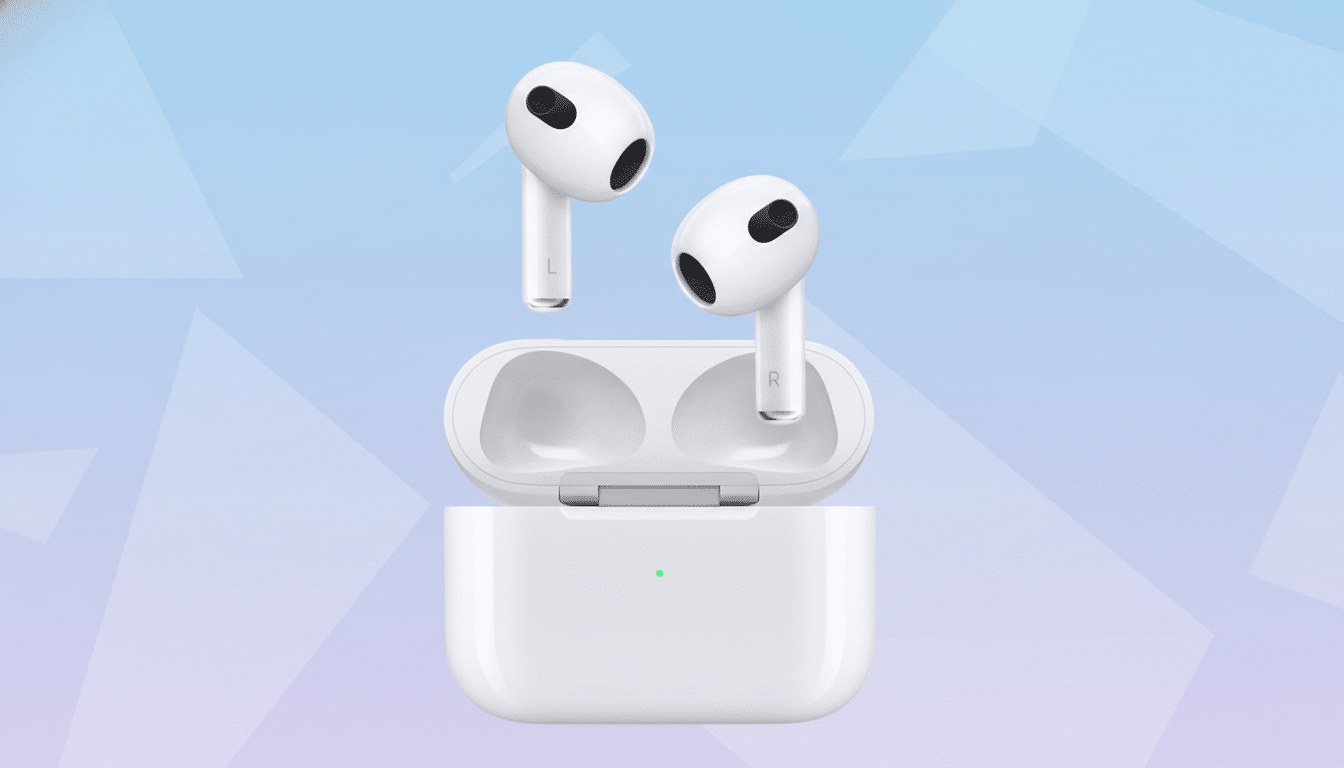
In practical terms, Q.ai’s stack could enable AirPods to isolate a user’s voice in a crowded café, parse intent from a hushed command on a subway, or personalize noise reduction based on an individual ear profile. Those same models can also benefit accessibility and health features by improving hearing assistance and speech clarity without adding latency.
A Bet on Audio and Spatial Computing for Apple Devices
Beyond earbuds, Q.ai has worked on sensing subtle facial muscle activity—signals that can be used to infer silent speech or intent. Paired with the Vision Pro’s cameras and sensors, such capabilities point to more natural, low-friction inputs for spatial computing, where voice and micro-gestures need to be robust even in ambient noise or shared spaces.
The strategic through line is clear: Apple is investing in multimodal AI that treats audio as a first-class input alongside vision. That matters as the industry shifts from chatbots to proactive assistants embedded in wearables and headsets, where always-on, privacy-preserving inference is a differentiator.
A Familiar Playbook and a Proven Team Behind Q.ai
This is not Apple’s first high-impact bet on Israeli talent. Q.ai CEO Aviad Maizels previously sold PrimeSense to Apple in 2013, a move that helped lay the groundwork for face authentication on iPhone. Q.ai’s founding team—Maizels, Yonatan Wexler, and Avi Barliya—will join Apple as part of the deal. The startup, founded in 2022 and backed by Kleiner Perkins and Gradient Ventures, quickly stood out for edge-efficient perception models.
Israel remains a key pipeline for Apple’s silicon, imaging, and sensing efforts, following earlier acquisitions such as Anobit and RealFace. The region’s depth in embedded AI and signal processing aligns with Apple’s hardware-software co-design ethos.
Price Tag Signals Renewed M&A Appetite at Apple
At nearly $2 billion, this would be Apple’s second-largest acquisition after Beats in 2014 at $3 billion. It eclipses deals like Shazam and Xnor.ai and suggests Apple is willing to pay up for differentiated AI IP that is ready for scale. The move comes as Apple’s annual R&D spend has climbed to nearly $30 billion, underscoring a focus on core technologies rather than splashy brand buys.
The timing also precedes Apple’s quarterly earnings, where analysts expect revenue around $138 billion and the strongest iPhone growth in years. A credible AI story tied to devices people already own—iPhone, AirPods, Watch—could be as important to investor confidence as cloud-based model partnerships.
What It Means for AirPods and Vision Pro Users
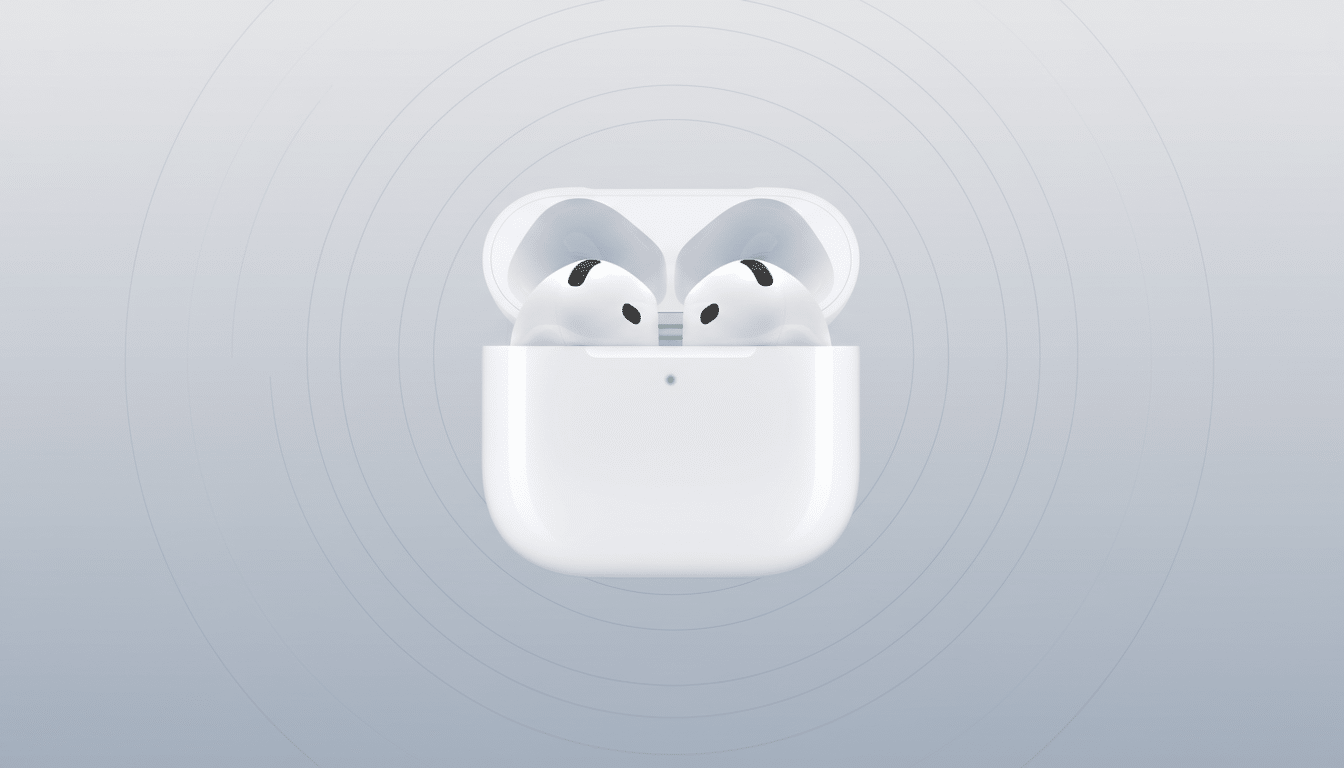
For AirPods, expect more context-aware listening modes, better beamforming, and conversational translation that works reliably on-device. In noisy settings, that means more natural voice capture and fewer “sorry, I didn’t catch that” moments. For Vision Pro, silent speech and micro-expression detection could reduce reliance on overt gestures or full-volume voice commands, making AR interactions less awkward in public.
Industry trackers like Counterpoint Research have noted Apple’s leadership in premium true wireless earbuds, and the company’s Wearables, Home, and Accessories segment generates nearly $40 billion annually. Any AI feature that materially improves call quality, translation, or hearing assistance could ripple across a vast installed base.
Competitive Context and What to Watch in Coming Months
Rivals are racing down similar paths: Meta is pushing neural interfaces and multimodal assistants for Ray-Ban smart glasses, while Google continues to iterate on on-device speech models. Apple’s advantage lies in vertical integration—custom silicon, privacy by design, and tight control of the audio chain from microphones to machine learning cores.
Key signs to monitor:
- whether Apple rolls Q.ai’s tech into near-term AirPods software updates
- any mention of on-device audio models and silent speech in developer sessions
- how quickly elements of Q.ai appear in future silicon roadmaps
As with past deals, Apple is unlikely to keep the Q.ai brand visible—the value will show up in features that simply work, even when you’re whispering.