


Apple has added another wave of older hardware to its list of vintage and obsolete products, bringing a close to services for the iPhone 11 Pro Max and a number of MacBook Air models.
It’s the not-so-nice way to formally remind everyone that these devices are now being aged out of Apple’s mainstream lifecycle, and it sets a sort of countdown clock toward ultimate “obsolete” status.
What Apple’s Vintage Label Really Means Today
Apple refers to products as vintage once it stops distributing them for sale and about five years have passed since the items were last put on the market. Vintage products are still eligible for hardware service, as long as it’s available, but coverage is no longer assured by Apple across all locations and repair types.
After this, as the seven-year mark passes, it becomes end-of-life. In practice, the extent of Apple hardware service effectively becomes minimal, not including select cases where local consumer laws might dictate terms. The vintage tag is more a transition than an abrupt cutoff.
Devices Hit by the Latest Round of Vintage Additions
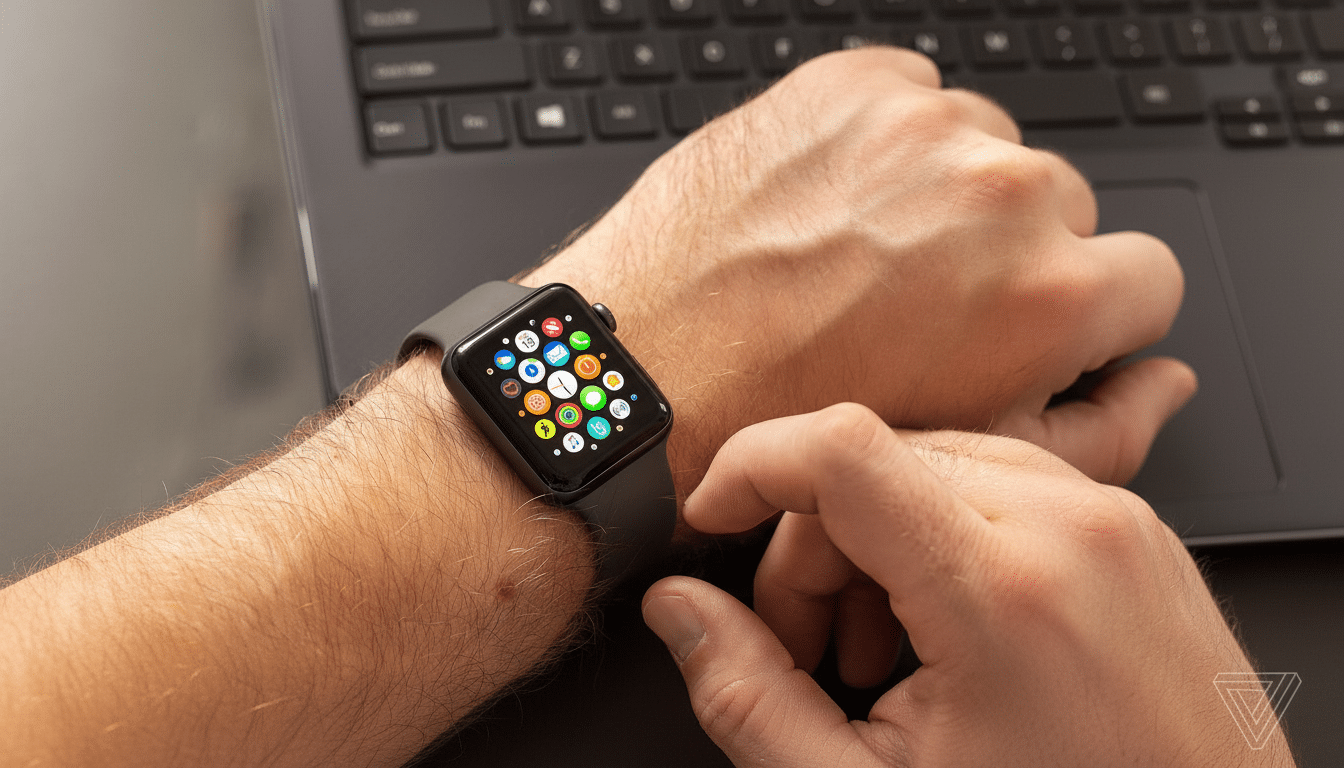
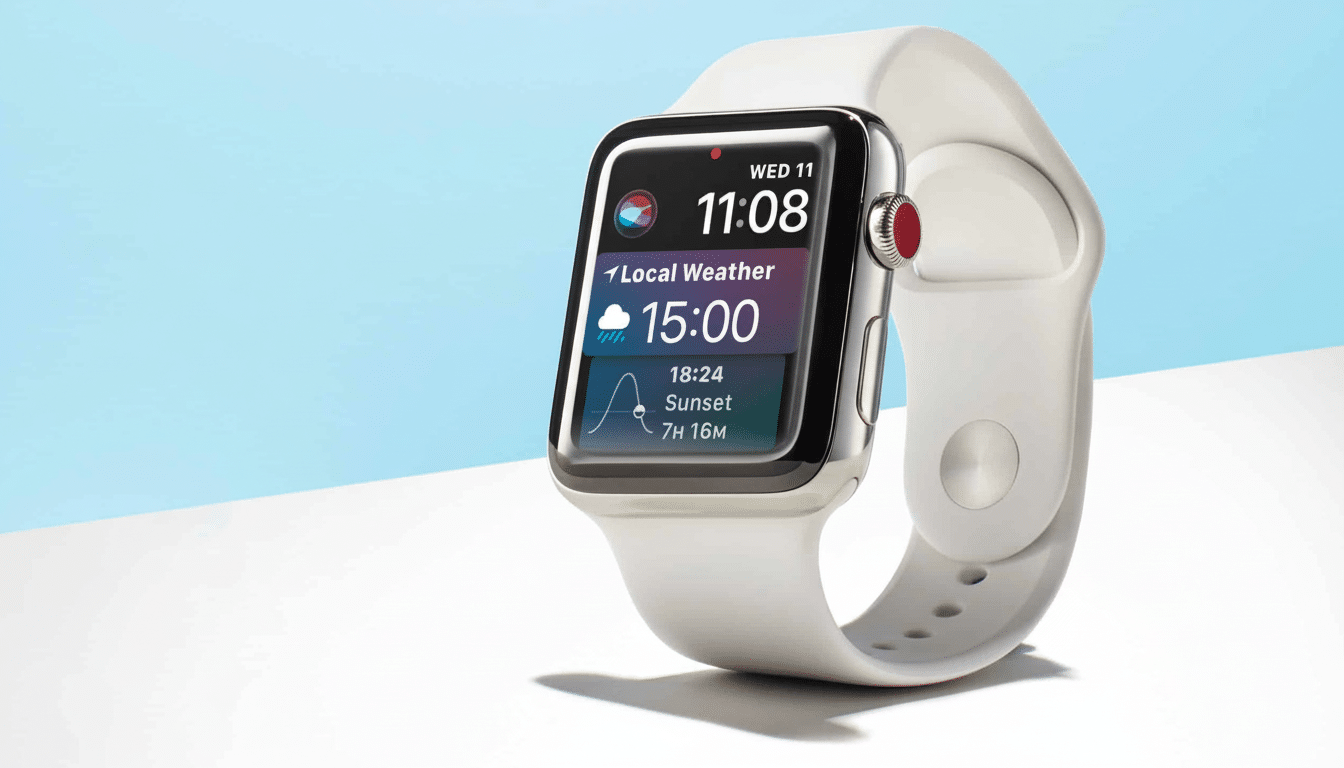
The featured devices are iPhone 11 Pro Max, which debuted in 2019, and Apple Watch Series 3, which first became available in 2017. The watch lineup includes GPS, GPS + Cellular, and branded models like the Nike versions. It’s worth pointing out that the regular iPhone 11 Pro was not included in this round of updates.
The update was first noticed by the Apple-centric sites that track the company’s support changes. These list refreshes tend to combine multiple SKUs at once — color, storage, regional cellular bands — so the volume of individual model numbers can appear greater than the actual number of consumer-facing models.
Why iPhone 11 Pro Missed the Vintage List Cut
Apple’s classifications are based on when a device last shipped for sale, which is not always neatly lined up across near-identical models. It’s not unusual for a particular configuration to be in constrained channels or refurbished inventory far longer than another, holding up its journey to vintage. That probably explains why iPhone 11 Pro Max crossed the line while iPhone 11 Pro did not — at least, not yet.
This staggered timing crops up every now and then across the lineup, and doesn’t necessarily mean that one of these two models is scheduled for support sooner than the other. It is just the nature of Apple’s shipping schedules.
Windows of Service and Realities of Repair
Vintage status doesn’t halt repairs instantly. Apple Stores and Authorized Service Providers would still be able to provide service as long as they have parts in stock. However, when inventories dwindle, repairs may be denied for more complex board-level or specialty parts.
Owners also have the option of turning to Independent Repair Providers as well as Apple’s recently announced Self Service Repair program, which might cover common repairs like batteries and displays. Companies such as iFixit have long pointed out that parts pairing and calibration requirements can complicate third-party repair work on newer iPhones and Apple Watches, so expect more steps to verify repairs (and potential holdups).
Service on the battery is commonly the means by which a vintage unit can best be kept in service. If you’re using it with a limited runtime or to combat surprise shutdowns, purchasing one before parts run out will allow another cycle or two of usefulness at a lower total cost than replacing the device.
What Owners Should Do Right Now to Prepare
Back up your data, check the balance of your coverage, and think about whether it makes sense to act early.
If you’re an Apple Watch Series 3 owner, it’s worth keeping in mind that software support for key watchOS updates has already ended and some of the bells and whistles on newer iPhones increasingly, bafflingly, require a more modern watch.
If you’re considering upgrading to new hardware, compare trade-in values between Apple’s program and reputable resellers. iPhone 11 Pro Max values have been modest in the most recent cycles and private resale can sometimes get higher if your iPhone is in good condition, with a solid battery.
The Bigger Picture for Apple’s Lifecycle
Apple’s installed base has swelled to north of two billion active devices, and analysts with shops like Counterpoint Research have observed that upgrade cycles are stretching as hardware matures. That shifts more attention to how long the devices continue to be serviceable — and policies around parts, diagnostics, and independent repair.
Apple has also been focusing on the durability of its products, longer software support windows for core platforms, and extending repair options in line with its environmental promises. The vintage list is a regular, if also occasionally sentimental, part of managing that vast portfolio. For owners of an iPhone 11 Pro Max and Apple Watch Series 3, the message is as clear as it is blunt: you’ve still got some runway to play with, but the gate is in sight.