


Anthropic’s push into India has hit an unexpected snag, as a local software company has asked a court to intervene over rights to the “Anthropic” name. The dispute underscores a common friction point for fast-scaling AI firms: global brand ambitions can collide with prior users and established trademarks in key growth markets.
The complaint, filed by a domestic software outfit that says it has long operated under the Anthropic name in India, alleges customer confusion and seeks to protect its goodwill. The challenge lands just as the San Francisco-based AI company accelerates its India plans, following an office announcement and the appointment of former Microsoft India managing director Irina Ghose to lead local operations.
Anthropic has not publicly addressed the filing. People familiar with India’s trademark regime say the case could move quickly if the local firm pursues interim relief, which, if granted, might force temporary branding adjustments until a full hearing concludes.
Why the Name Battle Matters in India’s Trademark Regime
India is a sophisticated trademark jurisdiction where prior use often outweighs later registrations. Under the Trade Marks Act, 1999, courts consider who built goodwill first and whether the average consumer is likely to be misled. That threshold can be surprisingly low when the goods and services overlap—software, cloud platforms, or AI services commonly sit in Class 42, making confusion more likely if names match.
The Supreme Court’s ruling in Toyota Jidosha Kabushiki Kaisha v. Prius Auto Industries remains a touchstone: reputation abroad does not automatically confer rights in India. A well-known global brand can still lose a “passing off” dispute if it cannot show sufficient local recognition at the relevant time. For foreign AI players, the lesson is clear—local use, not global fame, carries decisive weight.
Internationally, brand collisions have repeatedly reshaped market entries. Apple’s iPad trademark clash in China and the fast-food naming split that left Burger King operating as Hungry Jack’s in Australia both demonstrate how entrenched local rights can force compromises, coexistence deals, or costly rebrands. India’s courts tend to balance consumer protection with commercial realities, but interim injunctions are not uncommon when confusion seems credible.
The Market Stakes Behind the Dispute in India’s AI Push
India is one of the world’s most dynamic digital economies, with hundreds of millions of internet users and a fast-expanding enterprise software market. The Indian market’s strategic value to AI labs is multifaceted: deep engineering talent, competitive cloud costs, and proximity to large enterprise buyers in financial services, telecom, IT services, and the public sector.
Industry bodies such as Nasscom have highlighted India’s sizable AI and data science talent pool, while the World Intellectual Property Organization ranks India among the top trademark-filing offices globally—a signal of just how crowded and contested brand real estate has become. For AI vendors rolling out model access, safety tooling, and enterprise integrations, clarity around brand ownership is not a formality; it is table stakes for sales, hiring, and compliance.
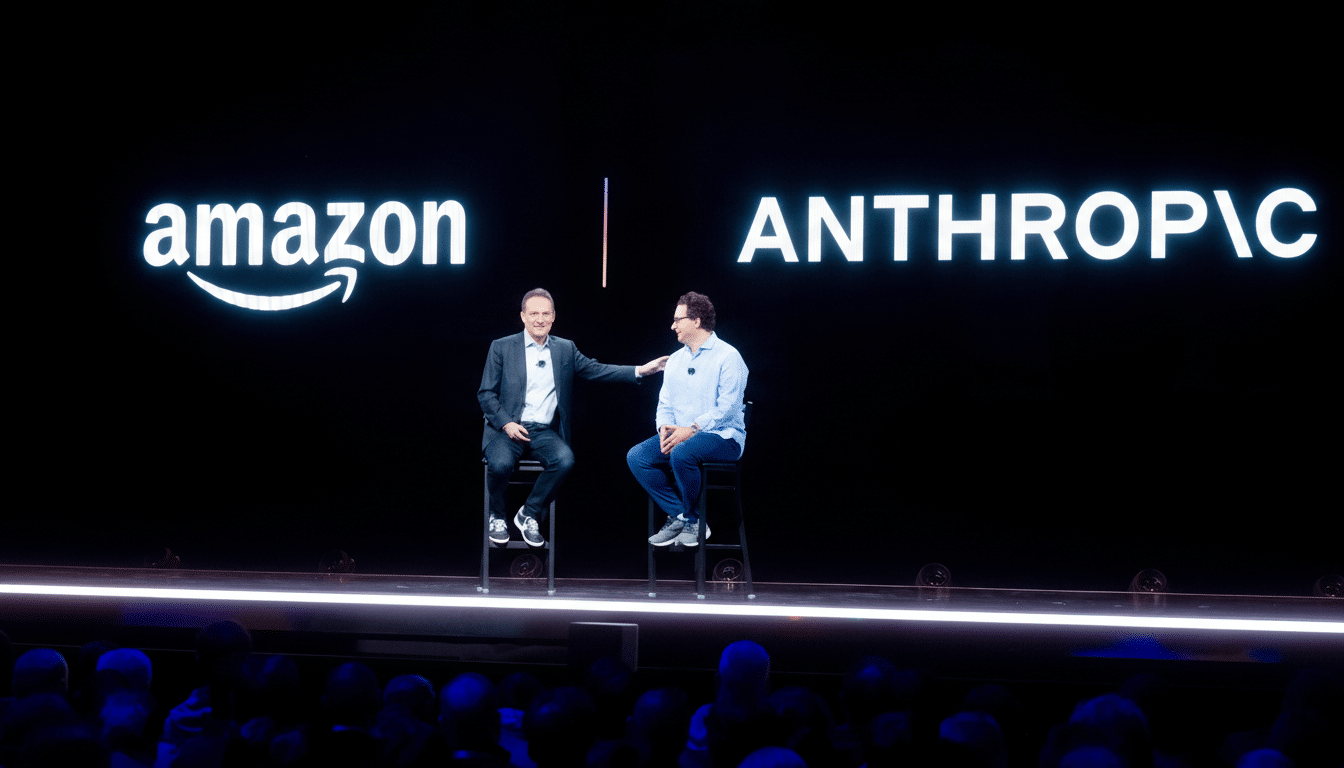
The timing adds pressure. Anthropic’s leadership has been increasingly visible in India-focused forums, and the company’s local buildout comes as global AI heavyweights court Indian developers, systems integrators, and state agencies. Visibility drives momentum—but it also magnifies legal exposure if rivals or prior users claim confusion.
Possible Paths to Resolution in the Anthropic Name Case
In disputes like this, parties often explore a few well-trodden routes: coexistence agreements that partition goods and services; territorial or class-based carve-outs; the use of modifiers (for example, adding “AI” or a geographic qualifier) to reduce confusion; or, in tougher scenarios, a full rebrand. Courts will scrutinize actual marketplace behavior—packaging, websites, app listings, enterprise contracts, and even how sales teams pitch—to decide whether consumers are likely to be misled.
Experts also point out a common misunderstanding: company name approvals with the Ministry of Corporate Affairs do not create trademark rights. Nor does owning a domain. The decisive evidence usually centers on first commercial use, advertising, invoices, and consumer recognition inside India. If the local firm can show consistent use and distinctiveness, its case strengthens markedly.
For Anthropic and its peers, the playbook is to move early: audit Indian trademark registers and case law before launch, secure filings across relevant classes, check transliterations in major Indian languages, and plan contingency brands for products or APIs. That diligence costs a fraction of a litigated rebrand—and can prevent sales disruptions when momentum matters most.
What to Watch Next as the Trademark Dispute Unfolds
Key signals will include whether the court entertains interim relief, how narrowly it defines the overlap in services, and whether the parties pivot to a settlement. For customers and partners, the practical question is continuity: contract names, billing entities, and support channels need to remain stable even if signage or marketing shifts.
Whatever the outcome, the case is a timely reminder that in India’s booming AI market, product velocity must be matched by brand due diligence. The fastest way to lose ground is not model performance—it is avoidable confusion at the top of the funnel.