


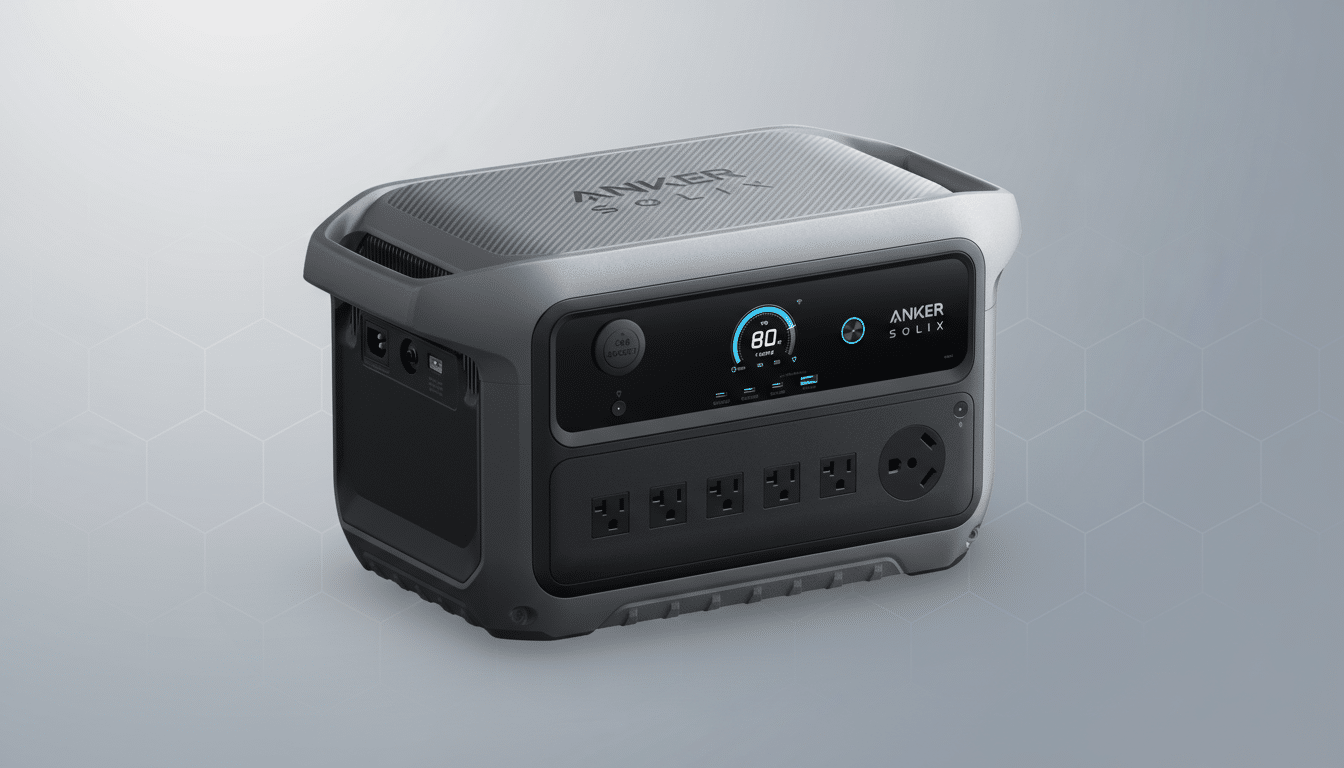
A rare half-off deal has dropped the Anker Solix C2000 Gen 2 portable power station to $999.99, a savings of $998.01 off its typical $1,998 list price. For shoppers waiting on a substantial price break in the 2kWh class, this is the kind of discount that doesn’t come around often.
The C2000 Gen 2 targets homeowners, RV travelers, and anyone who needs silent, clean backup power without the maintenance or fumes of a gas generator. The headline savings are compelling on their own, but what gives this deal weight is how much real utility a well-built 2kWh LiFePO4 unit can deliver during outages or off-grid trips.
Why This 2kWh Class Unit Matters for Everyday Backup
The C2000 Gen 2 sits around 2,048Wh of capacity with a LiFePO4 (LFP) battery. LFP chemistry is prized for longevity and thermal stability; many LFP packs are rated for 3,000–6,000 cycles to 80% capacity retention, according to testing from organizations like NREL and UL. Practically, that means years of regular use before noticeable degradation.
With AC output rated up to 2,400W, a unit in this tier can handle most household essentials one or two at a time—think refrigerator, microwave, sump pump, power tools, or a portable heater on a low setting. A pure sine wave inverter helps sensitive electronics run smoothly, and a spread of AC, USB-C, DC, and car outlets makes it a flexible hub for mixed gear.
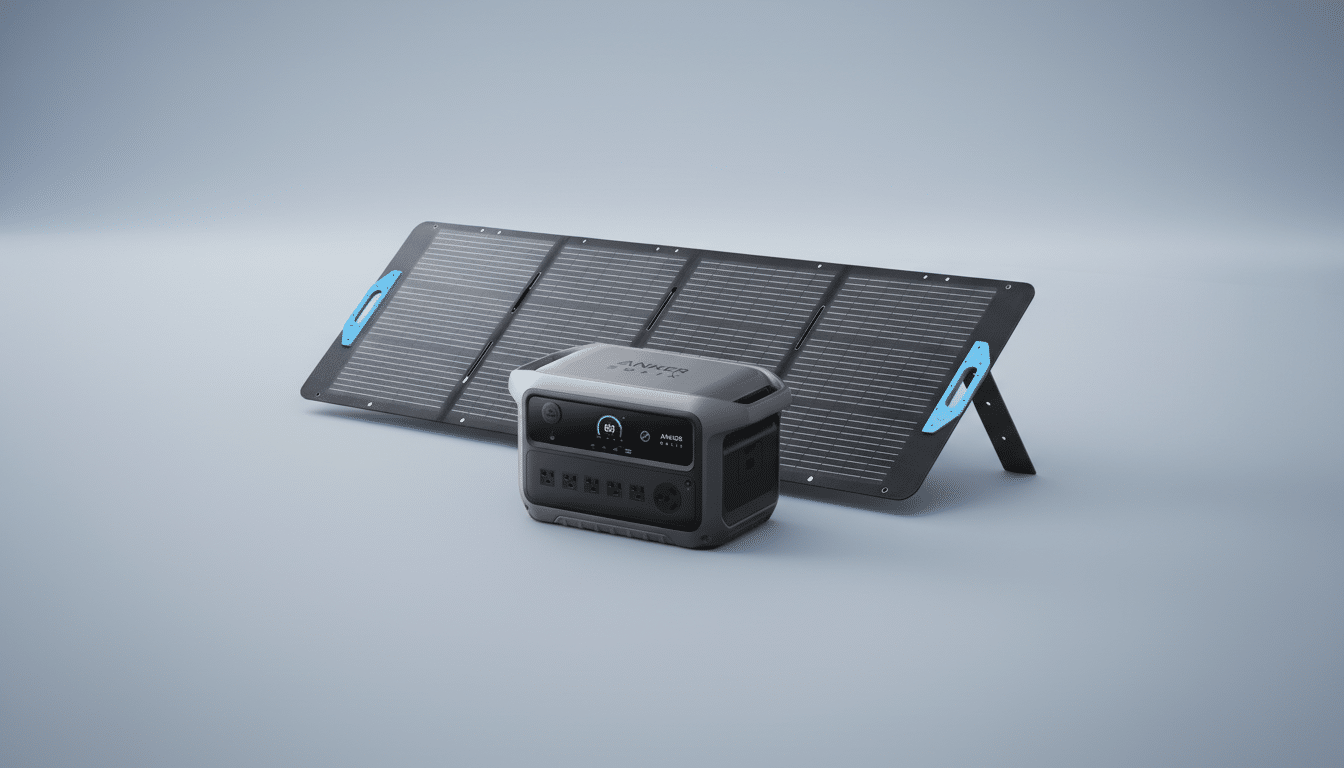
Rapid AC recharge and solar input compatibility are defining advantages. While exact times vary by configuration and conditions, this class routinely supports fast wall charging and efficient solar harvesting, allowing you to cycle from discharge to useful capacity in hours rather than days. If you own panels already, pairing them with a 2kWh station turns a sale-priced battery into a mini off-grid system.
Real-World Runtimes to Set Power Use Expectations
Assuming roughly 85–90% usable capacity after inverter losses, 2,048Wh translates into meaningful run time:
- Refrigerator averaging 150W (compressor cycling): approximately 11–12 hours of cumulative run time.
- CPAP at 40W without humidifier: about 40–45 hours.
- Wi-Fi router and modem at 20W: roughly 85–90 hours.
- Laptop with a 60Wh battery: about 25–30 full recharges.
These are ballpark figures, but they’re useful for planning. The U.S. Energy Information Administration reports that the average customer experiences several hours of outages annually, with duration spiking during severe weather. A 2kWh station bridges most short interruptions and keeps core devices alive through longer ones, especially when topped up via solar.
How This Price Compares With 2kWh Rivals Today
Portable stations around 2kWh from established brands typically land between $1,399 and $1,799 during routine promotions. Competitors like EcoFlow’s Delta 2 Max and Bluetti’s AC200-series models often hover in that range with similar LFP chemistry and high-wattage inverters. Seeing a mainstream 2kWh platform at $999.99 is notably aggressive, and it reshapes the value equation for buyers who were considering smaller 1kWh units purely on price.
The savings matter for businesses, too. For small shops with point-of-sale systems or clinics with sensitive electronics, a sub-$1,000 power buffer that can act as a UPS-style backup can prevent loss of sales or service disruptions. Organizations like the Red Cross consistently emphasize having a reliable power plan for medical devices and communications—this deal lowers the barrier to that level of preparedness.
Key Features to Confirm Before You Buy This Unit
- Battery and cycles: Look for LFP chemistry with multi-thousand cycle ratings and a long warranty (many top-tier units now offer up to five years).
- Output and ports: A 2,400W pure sine inverter covers most household appliances; ample USB-C (100W or more) is ideal for modern laptops. Some models include a TT-30 RV outlet—verify if that matters to you.
- Recharging: Prioritize fast AC recharge and robust solar input with common MC4 compatibility. The ability to expand capacity with add-on batteries is a plus for growing needs.
- Safety and noise: LFP’s stability, built-in BMS protections, and quiet operation make these stations apartment- and RV-friendly compared with fuel generators.
Who Should Jump on This Deal and Why It Matters
Renters who can’t install standby systems, RV owners who boondock, homeowners navigating storm seasons, and freelancers who need guaranteed uptime all stand to gain. If your critical load fits under 2,400W and your daily draw is modest, the C2000 Gen 2 at 50% off is a compelling buy that turns a preparedness want into a practical investment.
Bottom line: Saving $998.01 on a 2kWh LFP power station from a top brand is the kind of window that doesn’t stay open long. If it matches your wattage needs and you value quiet, portable resilience, this price point is the green light.