


A steep price cut has landed on a compact backup battery that actually fits in a closet. The Anker Solix C1000 portable power station is now about 46% off, dropping to roughly $430 and saving buyers $370. For anyone bracing for winter storms and short-notice outages, this is the kind of deal that can harden your home kit without blowing the budget.
Built for outages at home, not just camping
Winter weather remains one of the most frequent triggers of power interruptions across the U.S. The Energy Information Administration has repeatedly linked longer outage durations to severe storms, while NOAA notes that winter systems are among the costliest weather events. That context makes a small, indoor-safe power source compelling, particularly for apartment dwellers who can’t run gas generators.
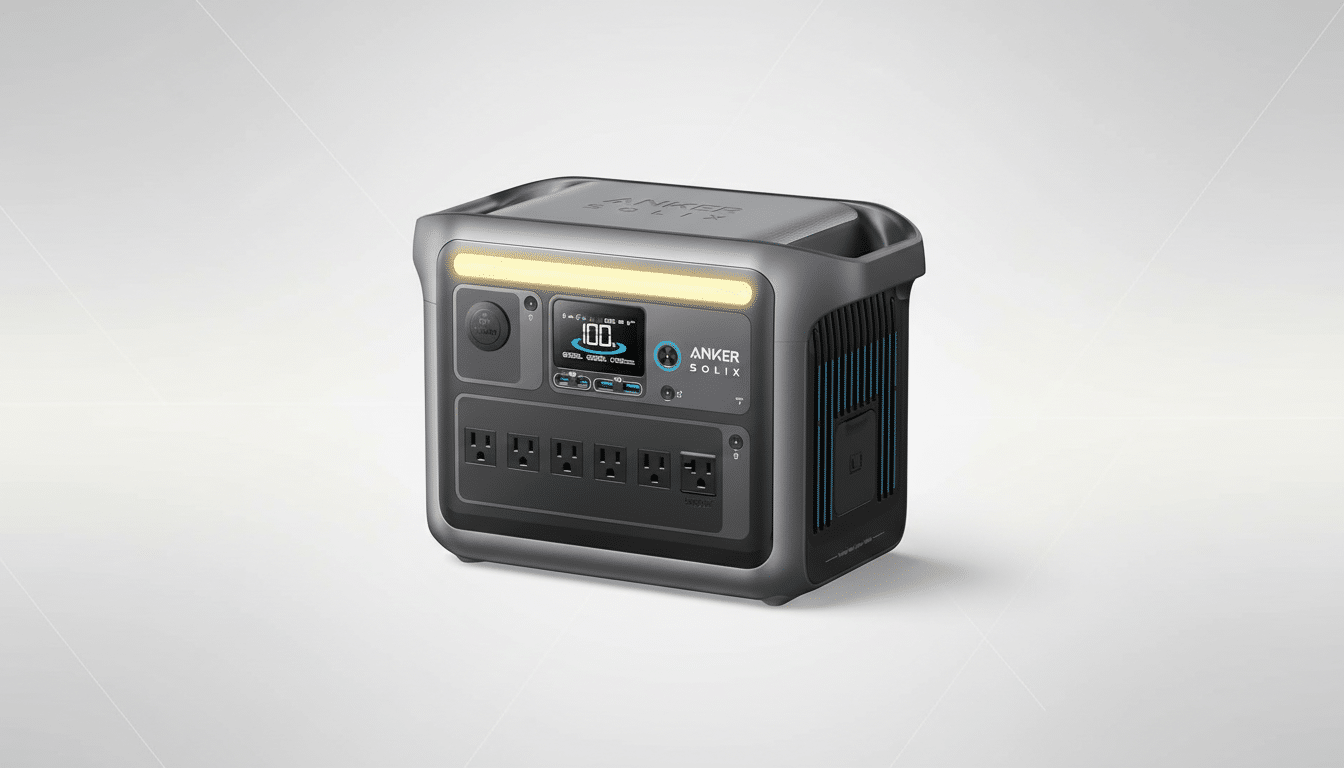
The Solix C1000 delivers up to 2,000W of continuous output with 3,000W surge capacity, enough to handle essentials like a refrigerator cycling on, a space heater on low, or a sump pump start-up—one at a time, managed smartly. A 10ms switchover means it can function like a mini UPS for sensitive gear and medical devices, minimizing interruption if the lights blink out.
Anker uses long-life LFP battery chemistry and touts a decade of daily-use cycles before notable capacity drop-off. That’s important for an emergency tool that might sit for weeks yet be expected to work instantly when a storm hits.
What the specs mean in real life during outages
This is roughly a 1kWh-class unit, which is a sweet spot for portability and usefulness. In practical terms, think about runtime rather than raw wattage: a modern refrigerator averaging 120–150W could run for 5–7 hours of compressor time; a 40W CPAP could run overnight; a 10W modem/router might stay online for multiple days. Mix and match loads, and you can stretch that capacity through an extended outage by cycling appliances instead of running everything continuously.
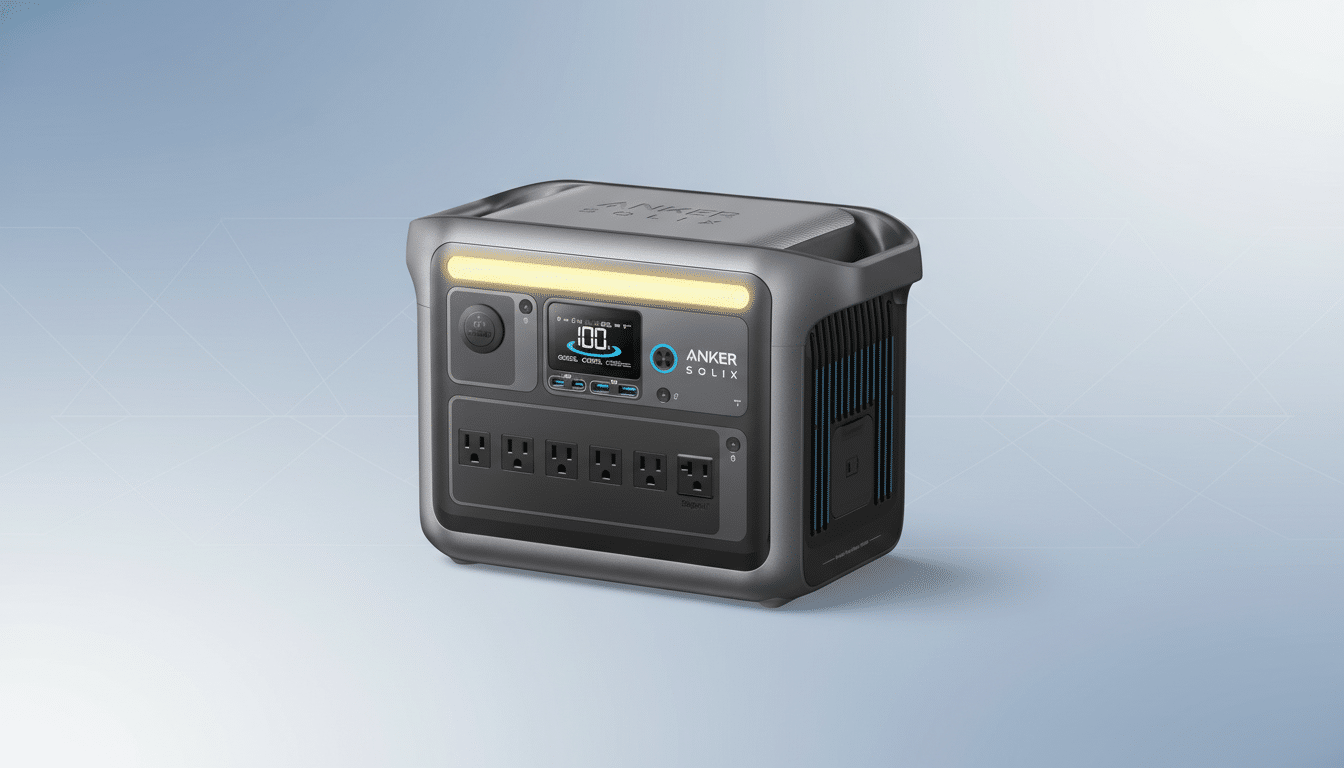
Up to 10 outputs are onboard, including standard 120V AC outlets plus USB-A and USB-C for phones, tablets, headlamps, and radios. That versatility means you’re not wasting inverter power to charge small devices. The compact shell with integrated handles makes it easy to move the unit where it’s needed—kitchen for the fridge in the morning, office for the router and laptop in the afternoon.
Recharging speed is where this model stands out for emergencies. With high-speed AC input, it can top up in under an hour in optimal conditions, so you can “opportunity charge” between rolling blackouts. Pair it with compatible solar panels and, under good winter sun, you’re looking at roughly a two-hour refill or continuous trickle support. There’s also 12V vehicle charging for road trips or when the grid is down but the car’s alternator is an option.
Why the discount matters for winter readiness now
At around $430, this deal undercuts many rival 1kWh-class stations that typically hover between $700 and $1,000 when not on sale. The savings effectively covers the cost of a modest solar panel or a dedicated heavy-gauge extension cord—two upgrades that substantially improve resilience. It’s being offered as a limited-quantity flash sale, which usually means once inventory at this price clears, the promotion ends.
Beyond headline specs, reliability and speed to power are the two features that matter most when ice loads snap lines. Industry groups like NERC have warned about winter reliability risks in recent years, and households increasingly look to portable batteries as a quiet, zero-emission stopgap. Compared with gasoline generators, a unit like the C1000 can be safely used indoors, requires almost no maintenance, and doesn’t rely on fuel that can be hard to find during storms.
Who it suits and how to prep for power outages
This size class is ideal for renters, small homes, and anyone who needs to keep communications up, food safe, and a few critical devices running. Remote workers can maintain a modem, laptop, and a monitor for a full workday at modest brightness. Households with medical needs can reduce anxiety with a stable backup for a CPAP or small oxygen concentrator—always confirm device wattage and consult manufacturers for compatibility.
To get the most out of it, adopt the same playbook emergency managers recommend. FEMA suggests keeping devices charged ahead of forecast storms; top off the station and store it in an accessible spot above freezing. Label essential circuits or devices with their watt draw, keep a dedicated 12-gauge extension cord handy, and practice a quick-transfer routine so you’re not experimenting by flashlight. Monthly test cycles and partial recharges help verify everything is ready.
Bottom line: a timely backup for winter storm readiness
With 2,000W output, rapid recharging, and a compact frame, the Anker Solix C1000 hits a rare mix of capability and convenience—and at 46% off, it’s a timely buy for winter storm readiness. If you’ve been waiting to add a dependable backup power source to your emergency kit, this deal makes the decision easier.