


Pick up the latest Android flagships and a strange sameness sets in. Flat aluminum rails, softened corners, glossy slabs that bite into your palm — it’s an aesthetic that reads iPhone at a glance, even when the logo says otherwise. From Pixels and Galaxies to the newest OnePlus and a stack of Chinese-brand flagships, too many devices now share a silhouette so uniform that only the camera bump gives the game away.
The Flat-Edge Flood Reshaping Android Phone Design
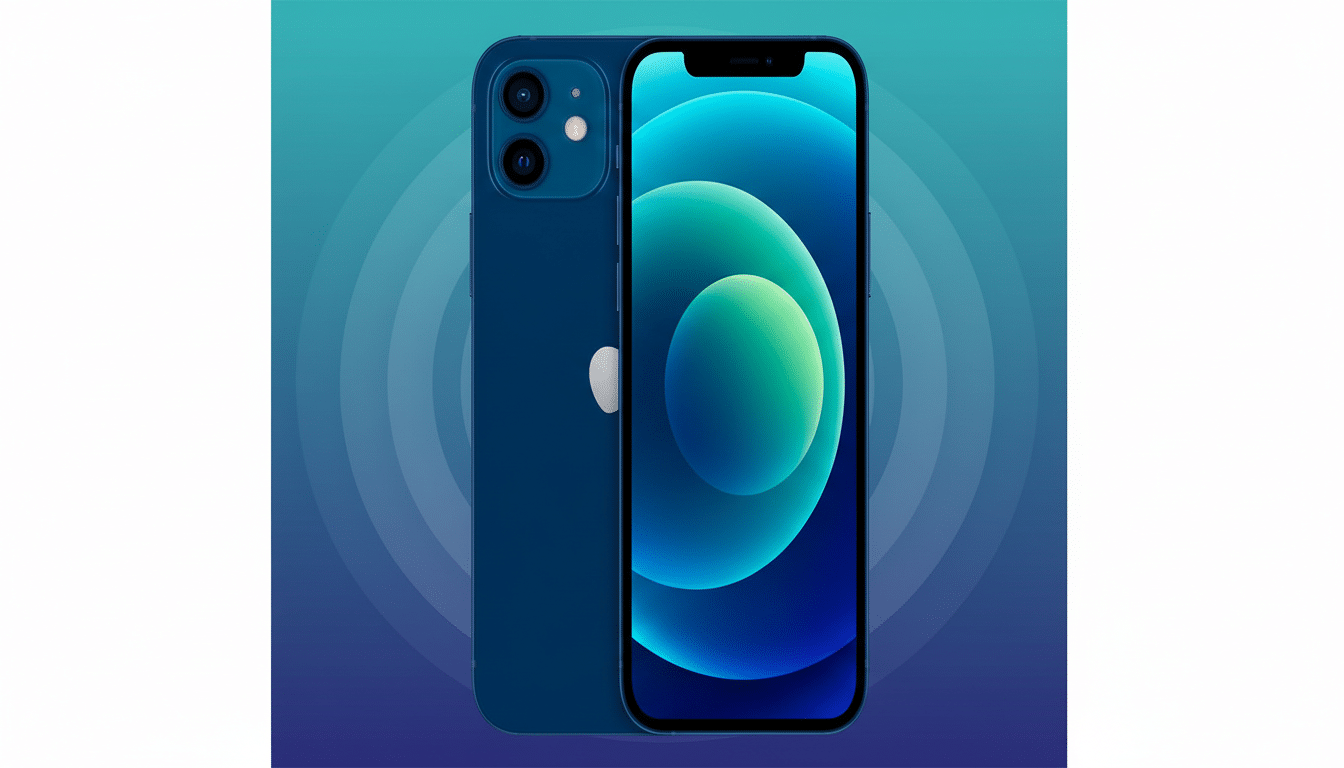
This wave didn’t appear in a vacuum. Apple re-popularized the squared-off frame with the iPhone 12, and many Android makers followed with near-identical profiles. Look across current Android lineups and you’ll see it everywhere: similar front faces, near-identical edge treatments, the same hard-edged stance. The back might differ — vegan leather here, satin glass there — but turn them screen-up on a desk and it’s a lineup of twins.
- The Flat-Edge Flood Reshaping Android Phone Design
- Ergonomics Versus Uniformity in Modern Phone Design
- Why OEMs Keep Doing It: Practical and Market Pressures
- Repairability Is Not an Excuse for Look-Alike Frames
- What Real Differentiation Looks Like in Android Phones
- The Stakes for Android Brands in a Sea of Similarity
- A Better Way Forward for Distinct, Comfortable Phones
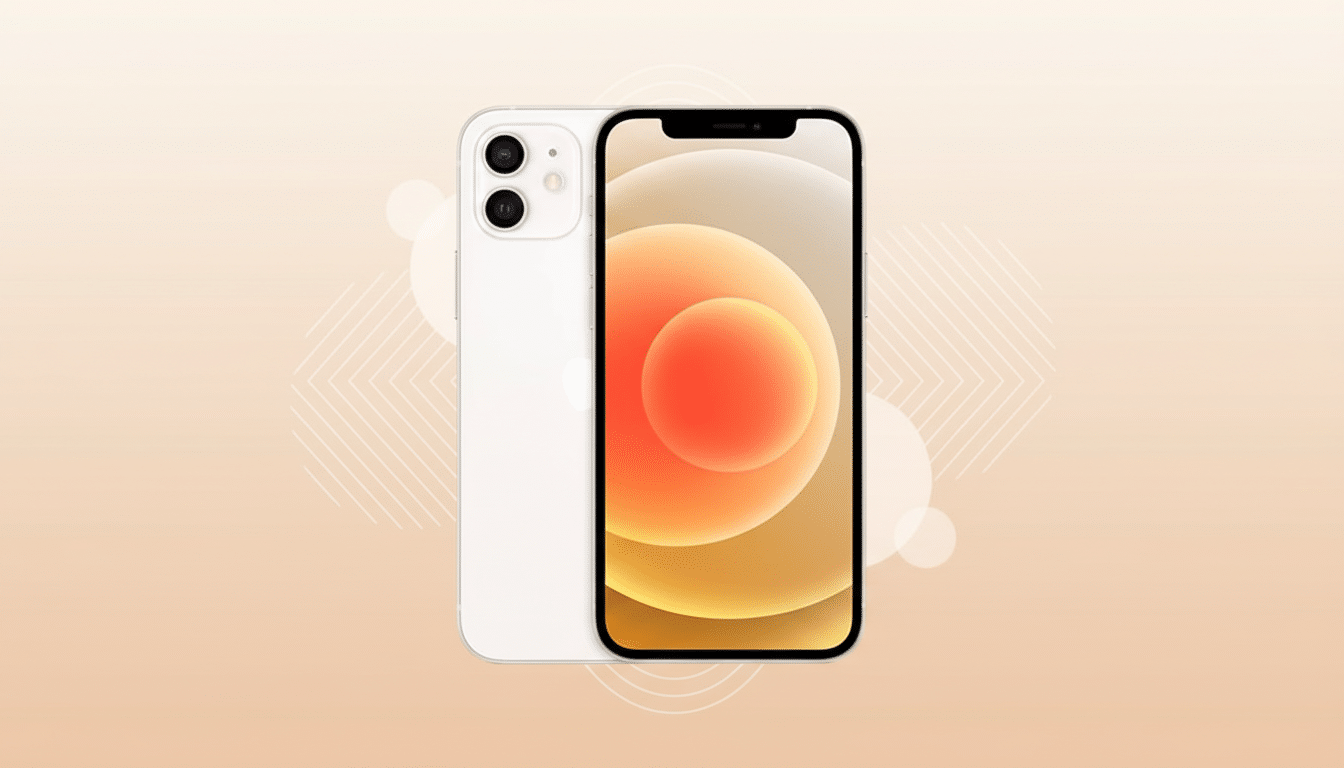
Design convergence is natural in a mature market, but silhouettes used to be brand signatures. Think of the sweeping curve of the HTC One, the compact warmth of the original Moto X, or the pebble-like comfort of the Pixel 5. Today, a shared outline risks turning premium phones into interchangeable commodities.
Ergonomics Versus Uniformity in Modern Phone Design
Flat frames photograph beautifully, stack neatly, and signal premium minimalism. They don’t always feel great. Hard edges increase pressure points, make devices feel thicker than the spec sheet suggests, and can be fatiguing during one-handed use. Curved or tapered sides distribute pressure and nestle into the hand, reducing the brick-like impression without sacrificing rigidity.
Not all curves are equal — severe waterfall displays had their own usability sins — but a subtle micro-curve at the back or a gentle taper along the rail can transform grip and perceived weight without compromising durability.
Why OEMs Keep Doing It: Practical and Market Pressures
There are practical incentives behind the sameness. Flat rails simplify machining and assembly, aid case and screen protector compatibility, and create predictable tolerances for IP ratings. Accessory ecosystems flourish when edges are uniform. Flat sides also leave more internal volume along the perimeter for antennas, haptics, and thermal paths, helping engineers hit performance and endurance targets.
Longer ownership cycles add pressure to play it safe. Research firms like IDC and Counterpoint have documented upgrade intervals stretching past three years and a consumer tilt toward durable, premium models. When buyers keep phones longer, conservative design can look like the least risky bet — even if it numbs brand identity.
Repairability Is Not an Excuse for Look-Alike Frames
Some makers quietly argue that flat frames aid repairability, aligning with Europe’s right-to-repair and battery regulations that push for easier disassembly. There’s truth to that: recent Pixels adopted chassis designs that open from the front or back, a meaningful step compared to predecessors that were front-only.
But copying an iPhone outline isn’t the only path to serviceability. iFixit rated the HMD Skyline 9/10 for repairability while it kept rounded sides and a distinctive profile. The latest Jolla Phone pairs curved rails with a removable back, replaceable battery, and microSD — decidedly non-iPhone traits that still meet user needs. Fairphone continues to prove modularity and clear repair guidance can coexist with original form language. Even Sony’s ridged frame brings texture and grip without sacrificing structure.
The sticking point isn’t the frame shape; it’s execution. Generous adhesive where screws and stretch-release tabs would do, sealed batteries, and fragile cabling routes are design choices — not inevitabilities dictated by curves versus flats.
What Real Differentiation Looks Like in Android Phones
There’s a wide palette that Android brands can use to look and feel different without compromising function. Materials matter: textured ceramics, bio-resins, vegan leather, or bead-blasted metal improve grip and reduce smudges. Subtle asymmetric tapers can slim the hand-feel. Distinctive rails — ridged, micro-knurled, or soft-scalloped — add character and control. Thoughtful camera housing designs can reduce wobble and stand out without resorting to oversized slabs.
We’ve seen flashes of courage: the transparent interplay and lighting on Nothing’s phones, the satin warmth of older sandstone OnePlus models, and compact-first designs that prioritize one-handed comfort. These ideas don’t just photograph well; they build memories and loyalty.
The Stakes for Android Brands in a Sea of Similarity
When everything looks the same, buying decisions collapse to price, specs, and marketing muscle — an arena where few can outspend the leaders. Premium buyers care about hand-feel as much as refresh rates. Distinct design is a moat that budget pressure can’t easily erode, and it can lift resale value by maintaining a recognizable identity across generations.
Software support is improving — multi-year OS and security commitments now reach up to 7 years on some models — which makes hardware character even more important. If consumers will live with a device for the better part of a decade, it should be more than another iPhone-shaped rectangle.
A Better Way Forward for Distinct, Comfortable Phones
Keep the sensible gains — better serviceability, sturdier frames, reliable ingress protection — but bring back brand DNA. Favor textured finishes over slippery glass, add humane curves where fingers meet metal, minimize glue in favor of gaskets and stretch tabs, and design rails users can identify blindfolded.
Android’s strength has always been diversity. It’s time for the hardware to reflect that again. The best phones don’t mimic; they make a statement the moment they touch your hand.