


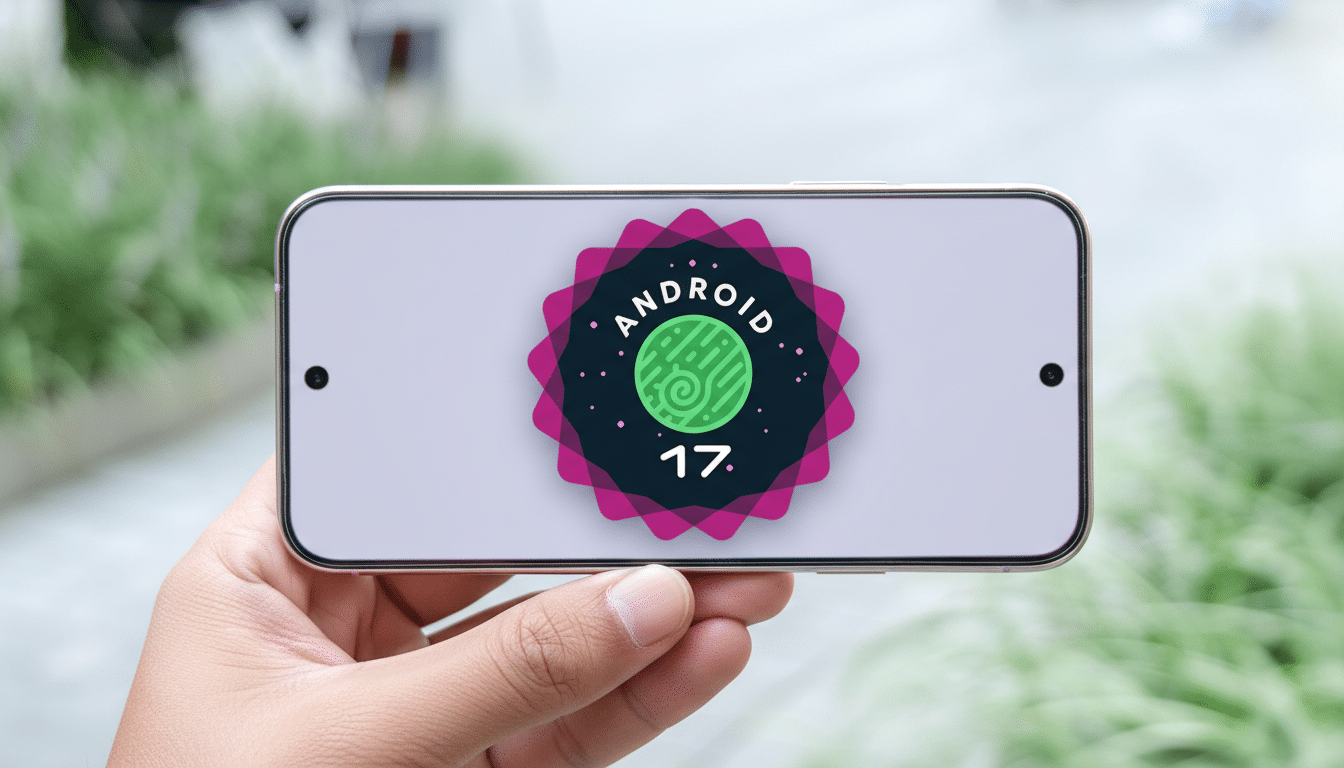
Google has hit pause on the first public Android 17 beta at the last minute, telling testers the release is “coming soon.” The brief delay does not alter the broader plan: the next major Android update remains on track for a stable rollout in the current Q2 window.
The company skipped traditional Developer Previews this cycle, routing early changes through the Canary channel. That shift makes Android 17 Beta 1 the first widely accessible build for most developers and enthusiasts, heightening interest around its arrival.

Android 17 Release Timeline at a Glance and Milestones
Google’s current guidance points to a stable release tagged 26Q2. In Android’s internal nomenclature, that means the platform is slated for finalization during this quarter, with code landing in AOSP and rolling out to Pixel devices soon after.
The company has also signaled a second beta with the crucial Platform Stability milestone. That build will include final SDK/NDK APIs and near-final app-facing behaviors, giving developers a reliable target to complete compatibility work. Historically, Google’s developer documentation encourages teams to treat Platform Stability as the deadline for final validation and regression testing.
Post-stable, expect the usual cadence of Quarterly Platform Releases for Pixel devices: QPR1 in 26Q3, QPR2 in 26Q4, and QPR3 in 27Q1. These updates typically deliver polish, fixes, and select features without introducing disruptive behavioral changes.
For context, Android 16 shipped in Q2 in the previous cycle, part of Google’s ongoing move away from the traditional late-year cadence. The company says the earlier timing better aligns with ecosystem launch schedules so more devices can receive the major update sooner.
Which Devices Get It First and How to Enroll
As usual, Google’s own phones lead the way. Android 17 Beta 1 will be available for supported Pixel models, specifically the Pixel 6 series and newer. Owners can enroll through the Android Beta Program to receive over-the-air builds; devices already enrolled will update automatically once the beta goes live.
If you rely on your phone for work or travel, tread carefully. Early betas can bring performance hiccups, battery variability, app crashes, and broken integrations. Back up your data before enrolling, and be prepared to file feedback through the built-in reporting tools to help stabilize later releases.
Other manufacturers typically wait for the stable platform drop before broad rollouts. OEMs such as Samsung, OnePlus, and others will base their skins on the main 26Q2 release and may stage betas or early-access builds for flagships once Google finalizes code. Exact timelines vary by vendor and region.
Why Google Is Accelerating the Android Release Window
Moving the platform release into Q2 shortens the handoff between AOSP finalization and OEM integration. That lets partners parallelize their work on system UI, proprietary features, and chipset optimizations, reducing the lag between Google’s release and consumer-ready updates.
Analyst firms like IDC and Counterpoint have noted that faster updates and longer support lifecycles are now key differentiators for Android brands. An earlier Android platform drop gives manufacturers the runway they need to meet multi-year update pledges across more device tiers, not just flagships.
What Developers Should Expect From Android 17 Betas
Google has confirmed that app-breaking behavior changes are scoped to the main 26Q2 platform release. After that, QPRs focus on stability, refinements, and minor additions. The company also plans a minor SDK release in Q4 to deliver additional APIs and features without shifting core behaviors.
Action items for teams: enroll a test Pixel, verify baseline compatibility on Beta 1, and complete thorough testing once Platform Stability lands. Use Play Console pre-launch reports, Android vitals, and staged rollouts to monitor performance and crash metrics as early adopters join.
Bottom Line for Users Considering the Android 17 Beta
The first Android 17 beta is imminent despite a brief delay. Pixel owners eager to experiment can join the Android Beta Program, but most users will be better served by waiting for the stable 26Q2 release and subsequent QPR updates that refine the experience.
In practical terms, expect Pixels to lead, followed by partner devices as OEMs lock in their custom builds. The accelerated timeline should translate to faster, broader availability across the ecosystem—and fewer months of waiting to enjoy the next wave of Android improvements.