


Android’s latest quarterly platform release is bringing a playful touch to the home screen. With Android 16 QPR3, folders in the Pixel Launcher now close with a subtle, springy bounce — a small flourish that signals Google’s ongoing polish of the platform’s motion language.
What Changed In The Pixel Launcher’s Folder Behavior
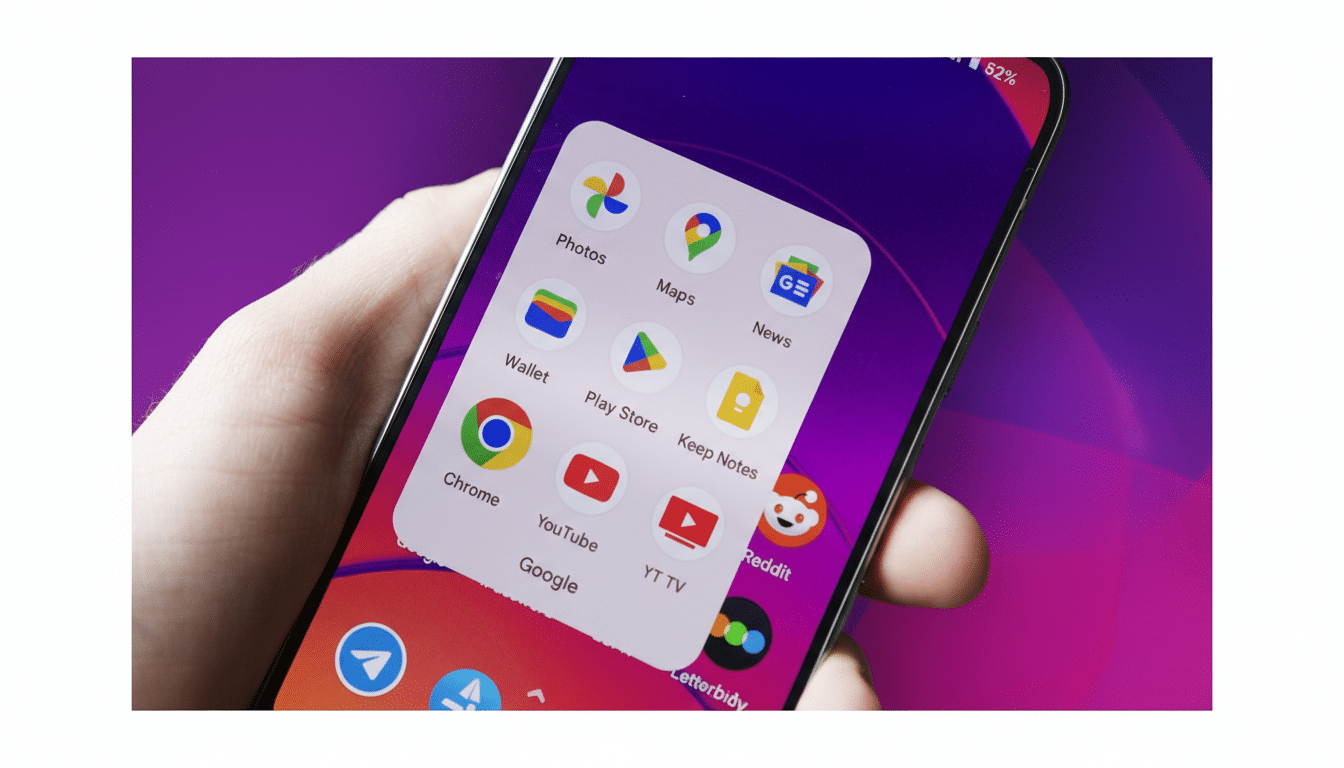
Previously, opening and closing a folder on Pixel phones was a no-frills zoom: tap to expand, tap outside to collapse. In Android 16 QPR3, the closing action adds a brief jiggle as the folder snaps back into place. It’s the kind of microanimation you notice for a day and then simply feel as “right” every time you use it.
- What Changed In The Pixel Launcher’s Folder Behavior
- Why These Folder Microanimations Matter On Android
- Performance And Accessibility Considerations
- How To See It On Your Phone And Which Pixels Get It
- Bonus Tweak: Separate 2.4 GHz And 5 GHz Hotspot Bands
- The Bottom Line: Small Touches That Improve Android 16
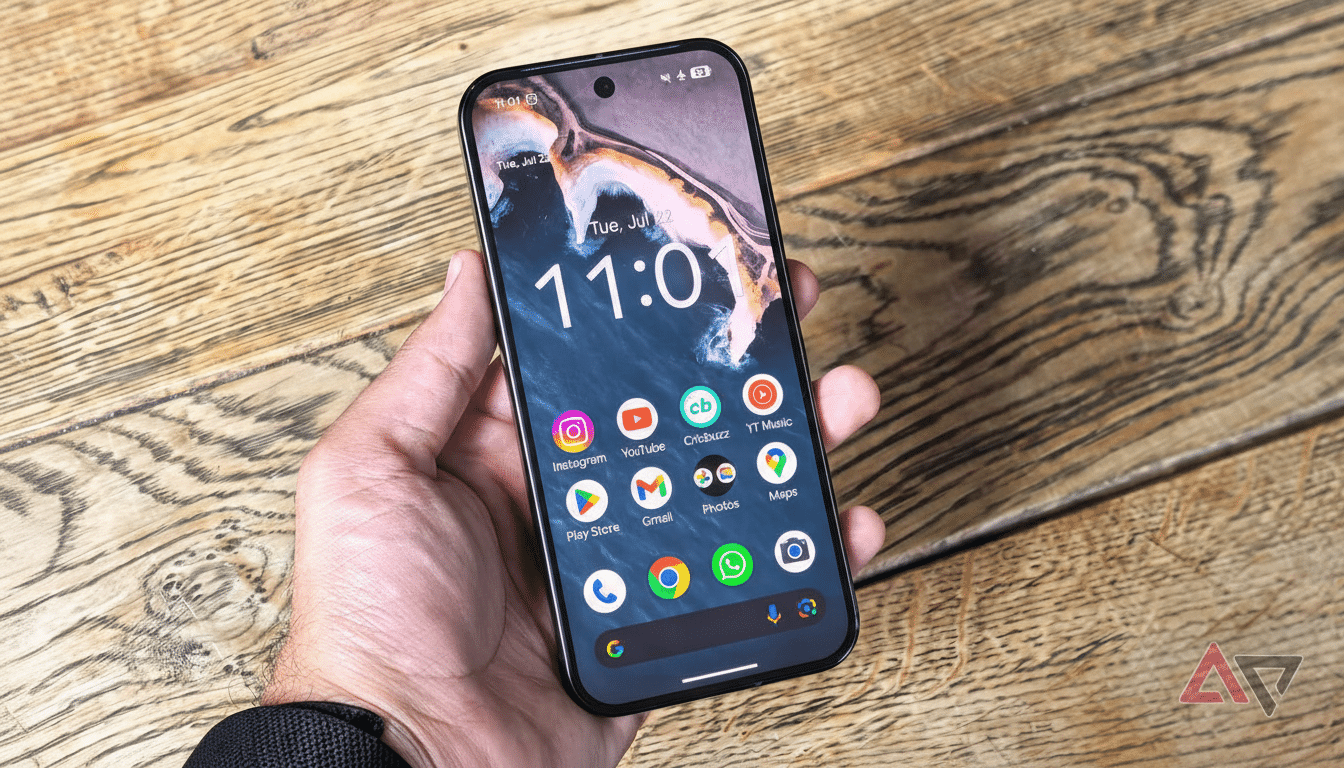
The effect is intentionally restrained. There’s no new sound, no confetti — just a touch of elastic easing that reinforces the idea of objects living in a coherent space. Opening remains familiar, while the closing motion gets that extra bit of personality.
Why These Folder Microanimations Matter On Android
Google’s Material Design motion guidelines emphasize continuity, meaning elements should behave as if governed by consistent physics. A small bounce helps your eyes track where the folder came from and where it returns, reducing cognitive effort. It’s a classic affordance: the UI communicates its structure through motion.
UX researchers at organizations like Nielsen Norman Group have long noted that well-tuned microinteractions improve perceived responsiveness and user satisfaction when they are fast and purposeful. Android has leaned into this ethos since Material You, from stretch overscroll to livelier Quick Settings. The new folder bounce fits that lineage — delightful, but done in under a heartbeat.
Performance And Accessibility Considerations
Animations in the Pixel Launcher are hardware-accelerated and designed to be lightweight, so you shouldn’t see any meaningful impact on battery life or frame rates. If you prefer a calmer interface, Android respects system-level controls: the Accessibility “Remove animations” setting and the Developer options for animator duration scale can reduce or effectively disable most motion, including folder effects.
That balance — visible polish for most, easy opt-outs for those sensitive to motion — is now table stakes for platform UX. It’s good to see these small touches ship alongside robust controls.
How To See It On Your Phone And Which Pixels Get It
The bounce is part of Android 16 QPR3, rolling out to supported Pixel phones as part of the latest Feature Drop. Once updated, you’ll see it in the stock Pixel Launcher; third-party launchers won’t inherit this behavior unless they implement their own animations. To try it, open any home screen folder and then close it — the subtle jiggle appears as the folder collapses back to its icon.
This kind of iterative refinement is typical of Google’s quarterly releases: big-ticket features grab headlines, while the launcher and system UI collect quality-of-life improvements that make daily use feel smoother.
Bonus Tweak: Separate 2.4 GHz And 5 GHz Hotspot Bands
Alongside the jiggly folders, Android 16 QPR3 introduces distinct 2.4 GHz and 5 GHz hotspot settings on Pixels. The practical upside is significant: 2.4 GHz offers broader range and compatibility with many IoT gadgets, while 5 GHz typically delivers higher throughput and lower latency for laptops and tablets. Having explicit control helps avoid flaky connections in crowded environments or when pairing older devices.
In real terms, you might force 2.4 GHz to get a smart thermostat online, then switch to 5 GHz before tethering a work laptop for a video call. Previously, this level of control wasn’t as clear or consistent across devices.
The Bottom Line: Small Touches That Improve Android 16
Android 16 QPR3 isn’t trying to reinvent the home screen, but it does make it feel more alive. The new folder bounce is a tiny change with outsized charm, grounded in sound motion design principles. Paired with practical upgrades like separate hotspot bands, it’s another sign that Google is refining both the feel and the function of everyday Android tasks.