


A fresh community poll of some 2,700 Android fans suggests a speedy, definitive response to it all: The user base is officially in love with Android 16 QPR2. About 1,700 respondents — or nearly 64% — feel the release is a major update and one that they really like, suggesting that Google’s quarterly platform updates are being well-received.
This excitement is remarkable given that QPRs are usually a refinement of the experience between major OS releases. This time around, however, the package lands with a blend of quality-of-life tweaks and returning conveniences, plus developer-friendly shifts that make it punch above its weight.
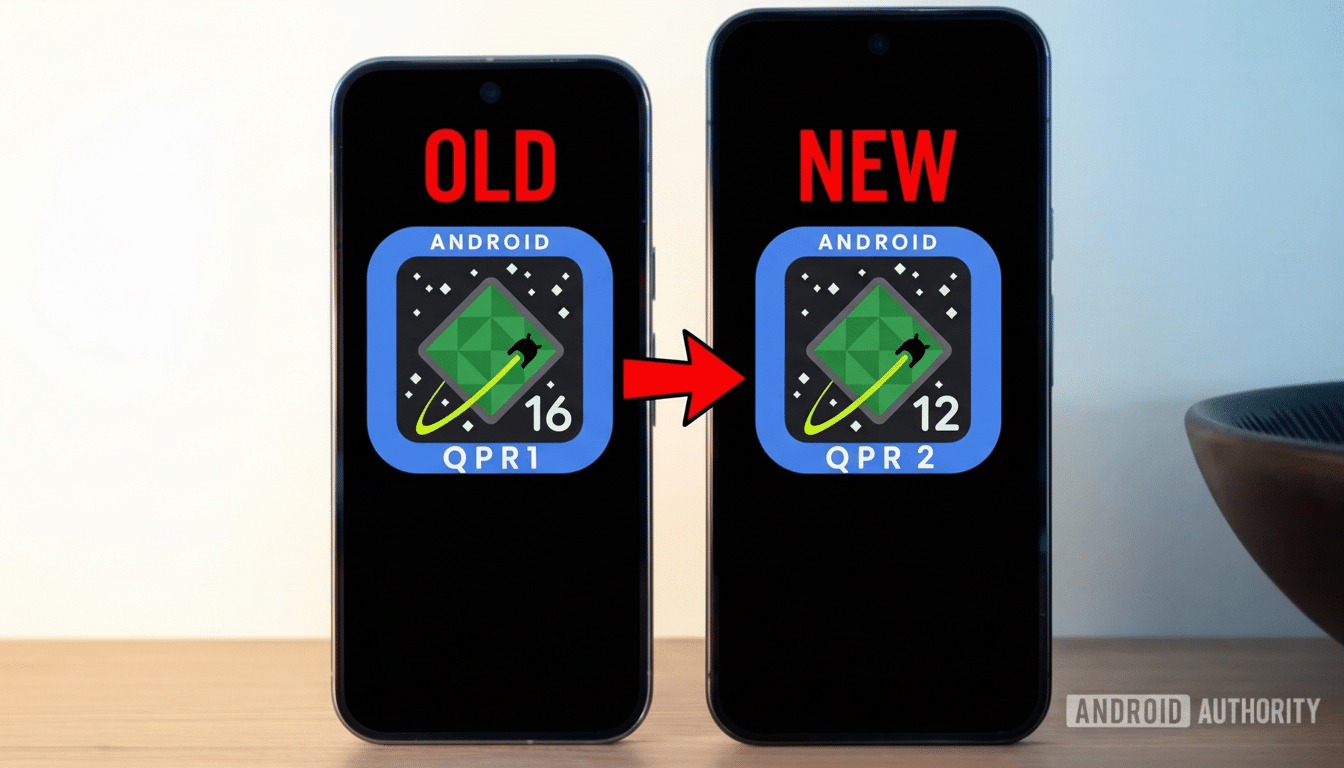
What fans liked most in the Android 16 QPR2 update
Topline applause is for the tangible changes users experience in their everyday lives. Repeat shout-outs went to more accessible step counts via Health Connect integration, which consolidates fitness apps and wearables around Google’s health data hub. It’s a minor change, but one that lowers friction for people who monitor their activity throughout the day.
Pixel owners also cheered the re-addition of screen-off fingerprint unlock on new devices, such as the Pixel 9, which brings back a behavior that power users lamented. Small refreshers like this tend to produce outsized goodwill because they mirror how people actually use their phones — rapidly, single-handedly, and, often enough, without waking up the screen.
Beneath the surface, though, the initial source code drop connected to QPR2 is a bit of an under-the-radar victory for developers. Custom ROM maintainers and kernel teams have a vested interest in AOSP changes landing faster to reduce the interval for rapid testing, stabilization, and distribution of community builds. That dynamic typically ripples out past Pixels as OEMs consider creating changes upstream that they would also be able to include in their updates.
Sentiment isn’t just anecdotal. There were several appreciation threads on Reddit, too, documenting a rarer surge of positivity toward an update that wasn’t a full-version bump. With the survey numbers included, that buzz indicates Google nailed a delicate balance between showy polish and fundamental enhancement.
Why not everyone is satisfied with Android 16 QPR2
The praise is not universal. Around 11 percent of respondents — or some 300 voters — tagged Android 16 QPR2 as boring and actively disliked it. Another 11 percent said they don’t own a Pixel, and 14 percent reported owning a Pixel but still not caring about the launch. Fragmentation and eligibility remain a thorn for some of us for mid-cycle upgrades.
Stability concerns also surfaced. Some users are complaining about broken ultra-wideband functionality after updating, adding to the sense that Google is dragging its heels when bugs occasionally slip from beta into stable releases. Google’s task isn’t just a matter of delivering truly significant mid-cycle features, but also tightening up QA so we aren’t writing much the same column 12 months from now.
Why QPR2 matters beyond Pixels and the wider Android ecosystem
Quarterly Platform Releases mean more than just housekeeping. They allow Google to ship platform-level changes, for example, without having to wait for a full version upgrade — modular system components and Play System Updates continue the trend of pulling features out from the core OS. QPR2’s dual focus enables OEMs to bring certain improvements earlier, and allows developers to iterate faster against upstream code.
This change to cadence is especially significant for the rest of the Android ecosystem. As AOSP begins integrating QPR code earlier, it gives partners a runway to bake in fixes and features at the pace that they prefer. That could help cut down on the lag between Google’s work at the platform level and the software experiences that users see on devices made by companies other than Pixels.
The takeaway from the Android 16 QPR2 community survey
Android 16 QPR2 is a big, likable update for about 64% of those who’ve shared their thoughts with us over the past few days, making it one of the more enthusiast-approved QPRs in recent memory.
Add in practical conveniences like improved Health Connect access, plus the return of a screen-off fingerprint unlock, along with early source code drop availability for devs, and there was something to get excited about.
The detractors — bugs and underwhelming updates are cited frequently — serve as a good reminder: execution quality is as important as feature lists. And provided Google is able to continue layering in stability while using QPRs to ship impactful improvements, this approach of a more slow-going sort of outward evolution could end up forming the blueprint for how Android advances between those marquee releases.