


Anbernic has taken the wraps off two new handhelds, the RG Vita and RG Vita Pro, and they look unmistakably modeled after Sony’s PS Vita. The move signals a pivot toward modern, widescreen portables and sets up a fresh fight with rivals building 16:9 systems for Android-based gaming and emulation.
Design Echoes PS Vita With Modern Twists
The industrial design is a love letter to Sony’s final portable console: a wide display, familiar shoulder cutouts, and an all-glass face that visually connects the controls. Even the rounded pads on the back appear designed to echo the original’s silhouette. Unlike Sony’s touchpad triggers, however, Anbernic is using proper analog-style triggers, a change that should improve comfort in shooters and racers.
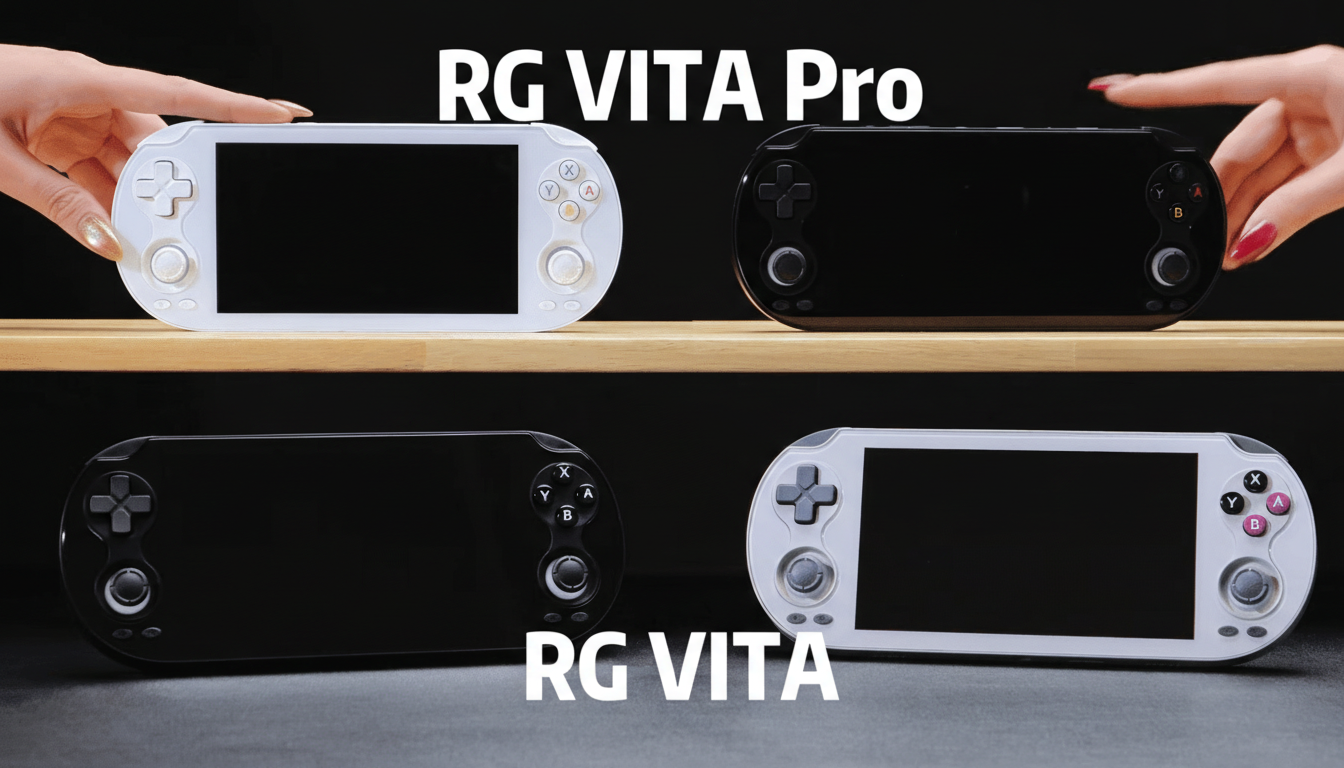
There is one deliberate departure from Sony’s playbook: the face buttons use the Nintendo-style ABXY layout instead of the iconic cross, circle, square, and triangle. That may irritate purists, but it aligns with Anbernic’s broader catalog and keeps muscle memory consistent for users coming from other retro handhelds.
What We Know So Far About Specs, Power, and More
Official specifications remain under wraps. One brief shot of the RG Vita’s rear label reveals a 5,000mAh battery and 10W charging, hinting at a power profile closer to midrange hardware. That makes it unlikely to share the high-end silicon seen in Anbernic’s recent flagship-class models, which have used chips like MediaTek’s Dimensity 8300 for heavier 3D workloads.
If the Pro variant follows the company’s usual pattern, it could ship with a stronger processor, higher memory configurations, or faster storage. Still, the 10W charging figure suggests battery life and thermals are being prioritized over brute-force performance—sensible for a slim, Vita-style frame where heat and noise are harder to tame.
Display details are also TBD, but all signs point to a 16:9 panel. That aspect ratio is a practical fit for PSP, Dreamcast, and many Android-native games, and it contrasts with the 4:3 screens that dominate much of Anbernic’s retro-focused lineup.
Emulation Reality Check for PS Vita Titles
Despite the lookalike design, don’t expect these handhelds to replicate a PS Vita experience out of the box. The Vita3K project, the leading open-source PS Vita emulator on Android, has made steady but slow progress, and compatibility remains limited compared to mature emulators for PSP, PS1, or even some sixth-gen consoles. The Vita3K team has been transparent about performance bottlenecks, particularly on mid-tier mobile chipsets.
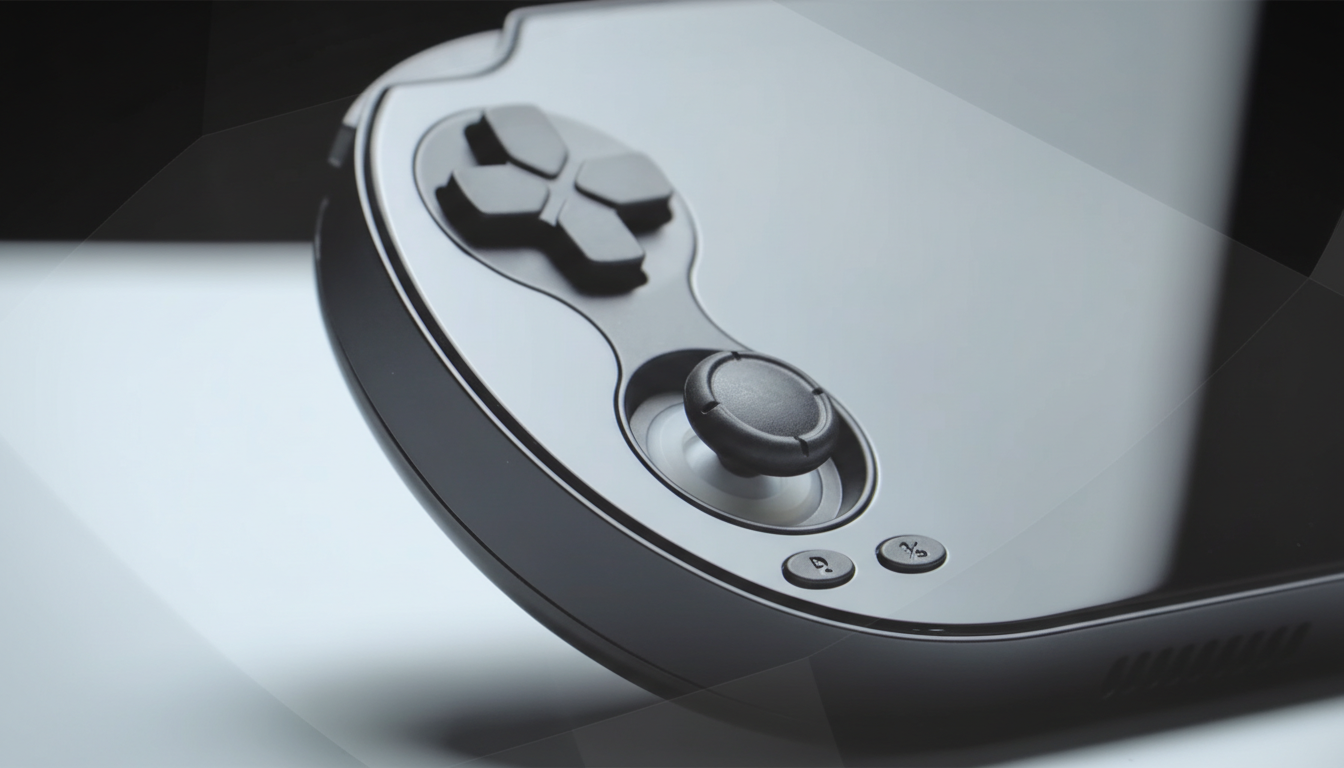
In practice, buyers should view the RG Vita family as stylish generalists: strong for classic systems through the 32-bit era, very good for PSP, and potentially capable in GameCube or PS2 niches if the Pro model lands a robust SoC. The Vita aesthetics are a bonus; the software reality still depends on how much CPU and GPU headroom Anbernic delivers.
Competitive Set and Market Position for Anbernic
The RG Vita and RG Vita Pro enter a crowded lane where Retroid, AYN, and AYANEO are already chasing 16:9 handheld players. Devices like the Retroid Pocket 4 series and AYN Odin line have shown that compact widescreen consoles can balance ergonomics, battery life, and good-enough Android performance. Anbernic’s advantage is brand familiarity in the emulation community and typically aggressive pricing tiers that undercut premium competitors.
The PS Vita’s legacy also matters here. Sony’s handheld sold roughly 15–16 million units worldwide, and its ergonomics remain a benchmark. A faithful silhouette taps into that nostalgia while offering modern creature comforts the original never had—native Android app support, deep emulator catalog access, and simpler storage expansion.
Key Questions to Watch Before the Official Launch
Prospective buyers should watch for these details:
- The exact SoC and GPU
- RAM and storage options
- Display size and brightness
- Thermals and fan noise (if any)
- The OS and update cadence
Communities such as Retro Game Corps and the Vita3K project will scrutinize how the RG Vita family handles demanding emulator cores and extended play sessions.
Anbernic typically reveals specs in stages, and the company often releases around major holidays. With teaser videos already circulating, a full spec sheet and pricing shouldn’t be far behind. If the Pro model brings a genuinely faster chipset while keeping weight and heat in check, Anbernic could have its most appealing widescreen handheld yet—and a convincing Vita-inspired companion for modern emulation.