


AMD has unveiled the Ryzen 7 9850X3D at $499, extending its lead in gaming-focused desktop CPUs built around 3D V-Cache. Positioned as a higher-binned take on the popular 9800X3D, the new chip retains the same 8-core/16-thread configuration but pushes boost clocks up to 5.6GHz, which AMD says delivers a modest yet meaningful uplift for high-FPS gaming.
What Sets the Ryzen 7 9850X3D Apart From the 9800X3D
The headline change is frequency: a 5.6GHz max boost versus 5.2GHz on the 9800X3D. AMD’s own slides suggest a 3–8% increase in frames per second at 1080p, a range that typically reflects CPU-bound esports scenarios where latency and frame pacing matter as much as raw averages. The chip continues AMD’s formula of pairing a single CCD design with 3D-stacked cache to minimize inter-core latency in games.
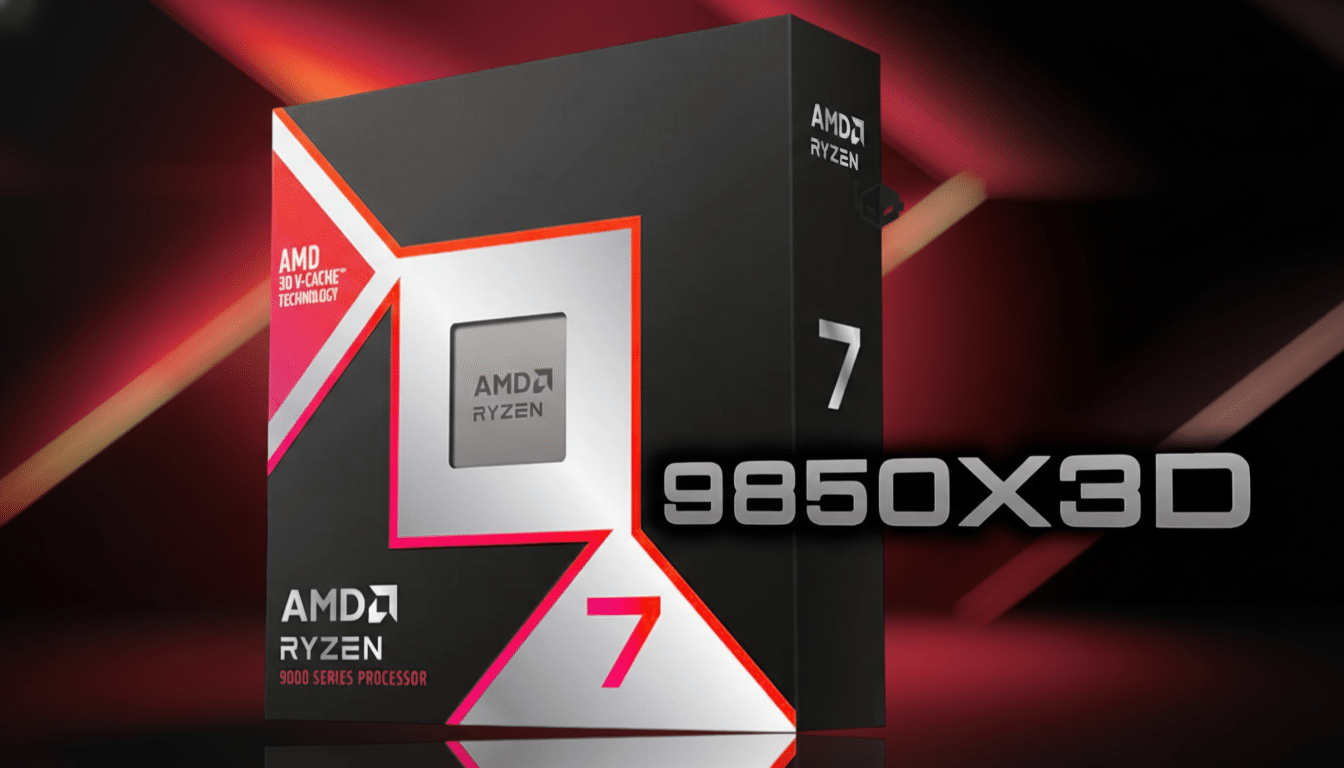
AMD executives are pitching it squarely to competitive gamers, effectively treating the 9850X3D as a “golden sample” variant of an already strong gaming CPU. That strategy mirrors how GPU makers release factory-overclocked models: same silicon base, tighter binning, and higher sustained clocks for incremental gains.
Performance Outlook and Use Cases for Ryzen 7 9850X3D
For the esports crowd—think Counter-Strike 2, Valorant, or Rainbow Six Siege—an extra 3–8% can be the difference between holding a 360Hz ceiling comfortably versus dipping during heavy utility or large team fights. In those titles, 3D V-Cache has historically widened AMD’s advantage by keeping larger working sets close to the cores, reducing cache misses and smoothing 1% lows.
Outside competitive play, the gains will be less obvious. In GPU-bound scenarios at 1440p or 4K, the 9850X3D’s lead over the 9800X3D is likely to compress. Content creators who split time between gaming and production work may still gravitate to higher-core options such as the Ryzen 9 X3D models, but for a pure gaming build, eight fast Zen cores with massive effective cache remain a sweet spot.
Platform Compatibility and Upgrade Path
The 9850X3D drops into the AM5 socket, reinforcing AMD’s long-term platform strategy. For anyone on an early AM5 board or running a Ryzen 7000 or lower-end 9000-series chip, this is a straightforward upgrade—just check your motherboard’s CPU support list and update the BIOS first. Board partners have been quick with firmware for prior X3D launches, and AMD’s AGESA updates historically iron out early quirks around boost behavior and memory training.
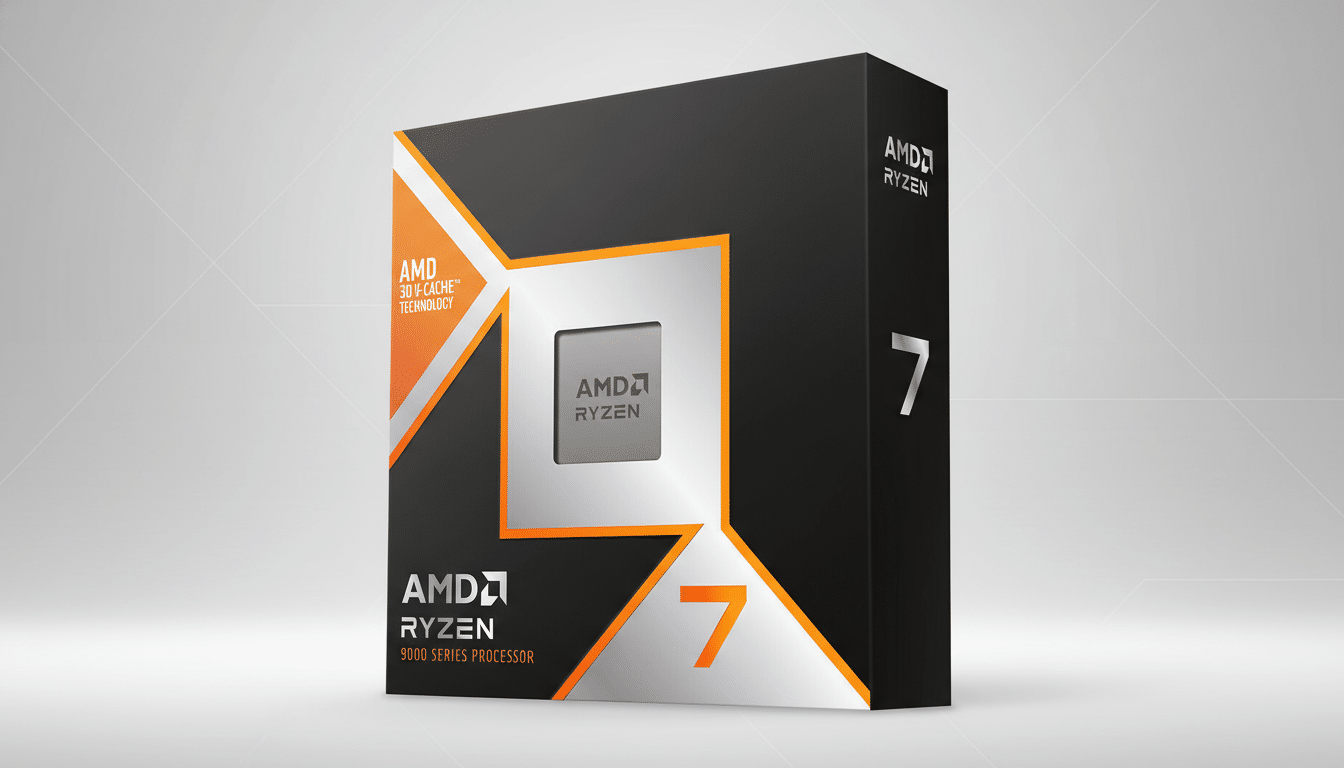
Thermally, X3D parts often prioritize efficiency and cache-coherent performance over aggressive all-core boosts. That has practical benefits: easier cooling requirements and quieter systems compared with non-X3D chips chasing maximum multi-core throughput. Expect premium air coolers or 240mm AIOs to be more than sufficient, with diminishing returns beyond that in typical gaming loads.
How It Fits Into AMD’s CPU Lineup and Gaming Stack
AMD has effectively created two lanes for gamers: the high-core-count halo parts (like Ryzen 9 X3D) for mixed workloads and the 8-core X3D for pure gaming merit. The 9850X3D sharpens that second lane. It won’t rewrite the leaderboard the way the first X3D chips did, but it pushes the category forward without raising the barrier to entry.
The biggest strategic question is supply. If AMD’s binning yields for Zen 5 have improved, the 9850X3D could ultimately elbow aside the 9800X3D as the go-to 8-core X3D option at the same price point. If not, expect the 9850X3D to land in tighter volumes as a performance-tuned alternative. Either way, the $499 tag places pressure on rival mid-to-high tier CPUs and on AMD’s own non-X3D parts that rely on higher core counts rather than cache to compete in games.
Early Takeaway for PC Builders and AM5 Upgraders
If you’re assembling a competitive gaming rig aimed at triple-digit frame rates on a high-refresh monitor, the 9850X3D is the new default recommendation in AMD’s stable. For existing AM5 owners, it’s a compelling drop-in that sidesteps a full platform swap. And for anyone already on a 9800X3D, the upgrade case comes down to how much you value a few extra % at 1080p and whether you spend most of your time in esports titles where those frames translate directly into responsiveness.
AMD’s own data will need independent verification once reviews land, but the playbook is familiar: stack the cache, lift the boost, and let the frames do the talking. On paper, the 9850X3D does exactly that—at a price designed to keep it squarely in the conversation for best gaming CPU.