


Amazon may have accidentally leaked that its long-rumored Vega TV OS will get released in 2025 following a brief mention of the release timeline by the company, after which it was edited. The posting, unearthed by Janko Roettgers of Lowpass and spotted by Variety, represents the strongest indication so far that Amazon’s next TV offering is nearing prime time.
Job Listing Quietly Confirms the 2025 Timeframe
The listing was for a software development manager, and it specifically name-dropped Vega TV OS along with a 2025 launch timeframe.
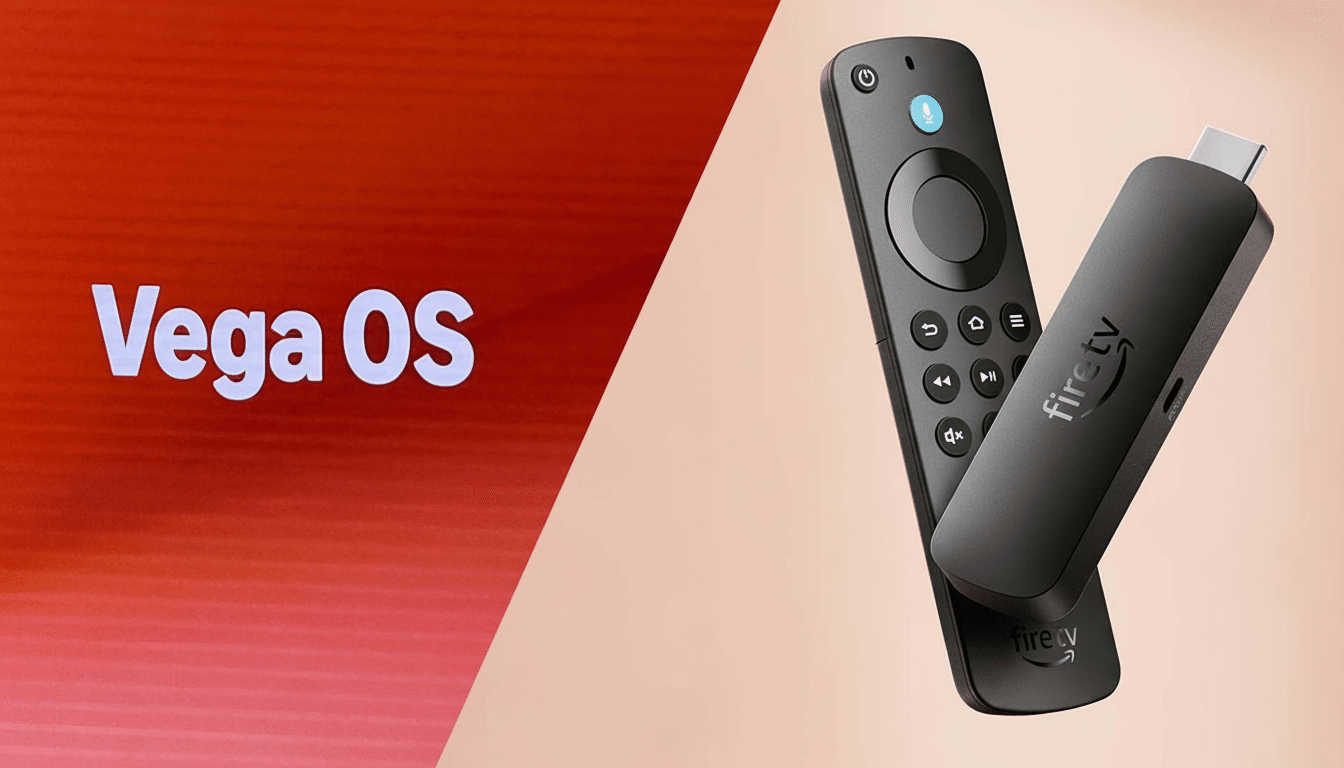
The reference was later scrubbed, but the quick scrub reads like a familiar corporate tell — language that wasn’t meant to be public slipping out prematurely.
Job ads are not often used by Amazon to reveal platform timing, so the edit is notable. And it fits with months of reporting that the company is preparing a homemade operating system for TVs and other devices, developing internally as well as reaching out to developers.
The accidental confirmation comes just as Amazon drags out its annual devices cycle too, raising the stakes for an official tease at its imminent fall showcase.
Sponsored: What Is Vega TV OS and Why Does It Matter
Vega is believed to be a Linux-based platform that will eventually replace Amazon’s Android-derived Fire OS, beginning with televisions. The strategic logic is simple: better control of the software stack, a more straightforward upgrade path, and less reliance on Google’s (loosely updated) Android roadmap.
For a company that ships its own TVs and licenses its platform to hardware partners, controlling the OS gives the company more freedom to tweak performance, add features faster, and push security updates on a regular schedule. Analyst firms have observed for some time that platform control typically leads to lower long-term costs and easier partner integrations.
It sounds like Amazon has dabbled with several web-first and cross-platform development methods for Vega — think modern web technologies and frameworks that streamline streaming app coding by cutting down on friction, while still providing native hooks for performance-critical duties, such as video playback and voice.
What Developers and Streaming Apps Will Need at Launch
The app catalog is make-or-break for any new TV OS. For day-one success, Vega TV OS will require certified playback and trusted DRM, along with solid tooling for the big services. That means full support for standards like Widevine and PlayReady, rapid media pipelines, and low-latency graphics.
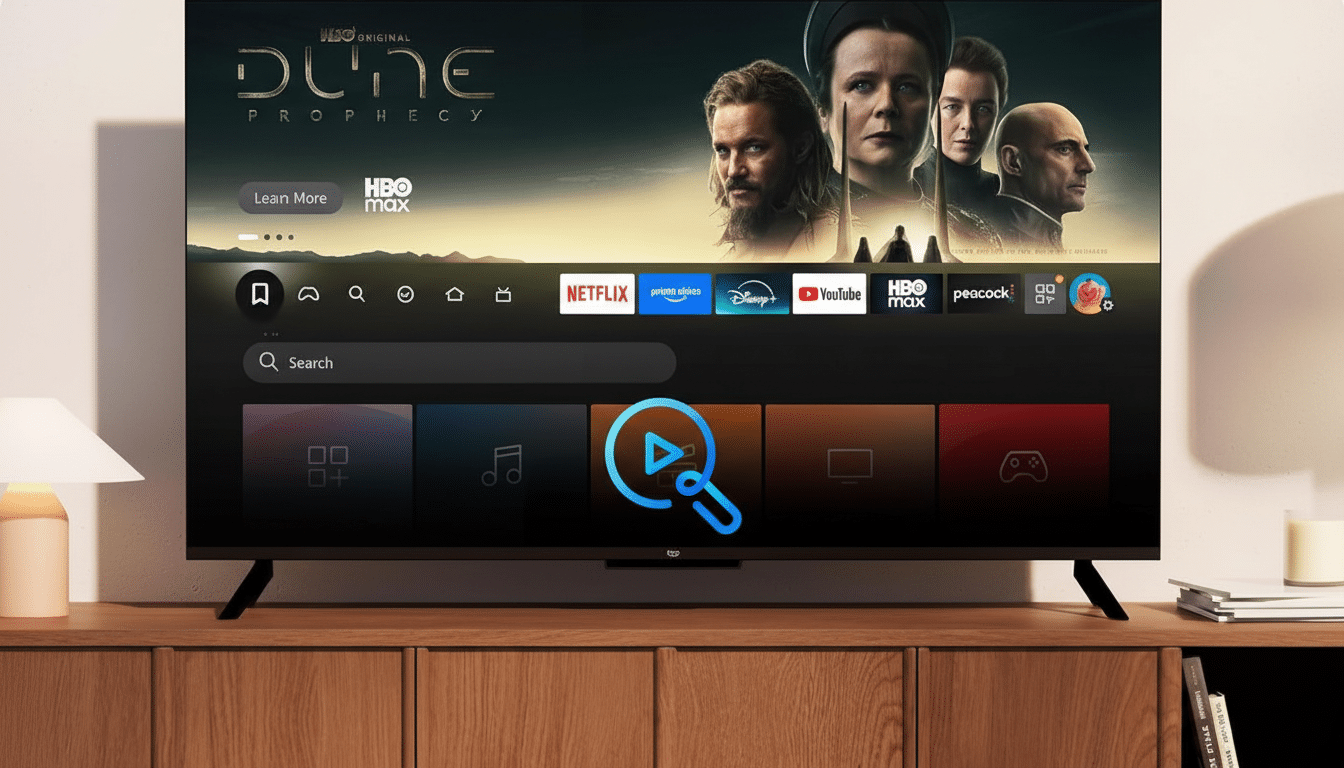
The current Fire TV ecosystem at Amazon gives it a head start: many streaming providers already offer apps for Amazon hardware. If Vega provides a familiar SDK, robust compatibility layers, and detailed migration guides, this may be an easily manageable process for the majority of publishers. It might be harder to convince smaller developers to prioritize another platform.
The company also possesses a rare weapon in Alexa. Deep voice integration for search, playback, and smart home control could distinguish the UX — especially if Vega negates some overhead and allows faster, more contextually aware responses on TV.
Where Vega TV OS Could Debut First and With Whom
The obvious launch candidates are Amazon’s own Fire TV sets, since that would give the company full control of the hardware-software experience. From there, the next step will be rolling out to partner brands. Amazon has already teamed up with TV makers to offer Fire TV-based sets, and moving those lines over to Vega would demonstrate the platform’s reach.
That’s not to say tablets, or other form factors for that matter, will suddenly change from one OS to another. A recent leak of an upscale Amazon tablet capable of full Android indicates such a strategy, with TVs first in line — and other product categories next — as apps and drivers scale past critical mass.
Eyes on Amazon’s Fall Devices Event and Potential Teasers
Amazon’s fall showcase is typically devoted to Echo, Fire TV, and Kindle hardware. Teasers have already suggested that new Fire TV gear is in the wings, which would make it a logical launching pad for at least a glimpse of Vega TV OS — even if the full deployment isn’t due until 2025.
If Amazon does indeed confirm Vega within the coming weeks, keep an eye out for three tells:
- Developer tooling and migration information
- Pledges from key streaming partners
- A road map for legacy set-top hardware
Those signals will tell us whether Vega is a 2025 launch that arrives as a seamless upgrade, or as a bloated reset, of Amazon’s TV ambitions.