


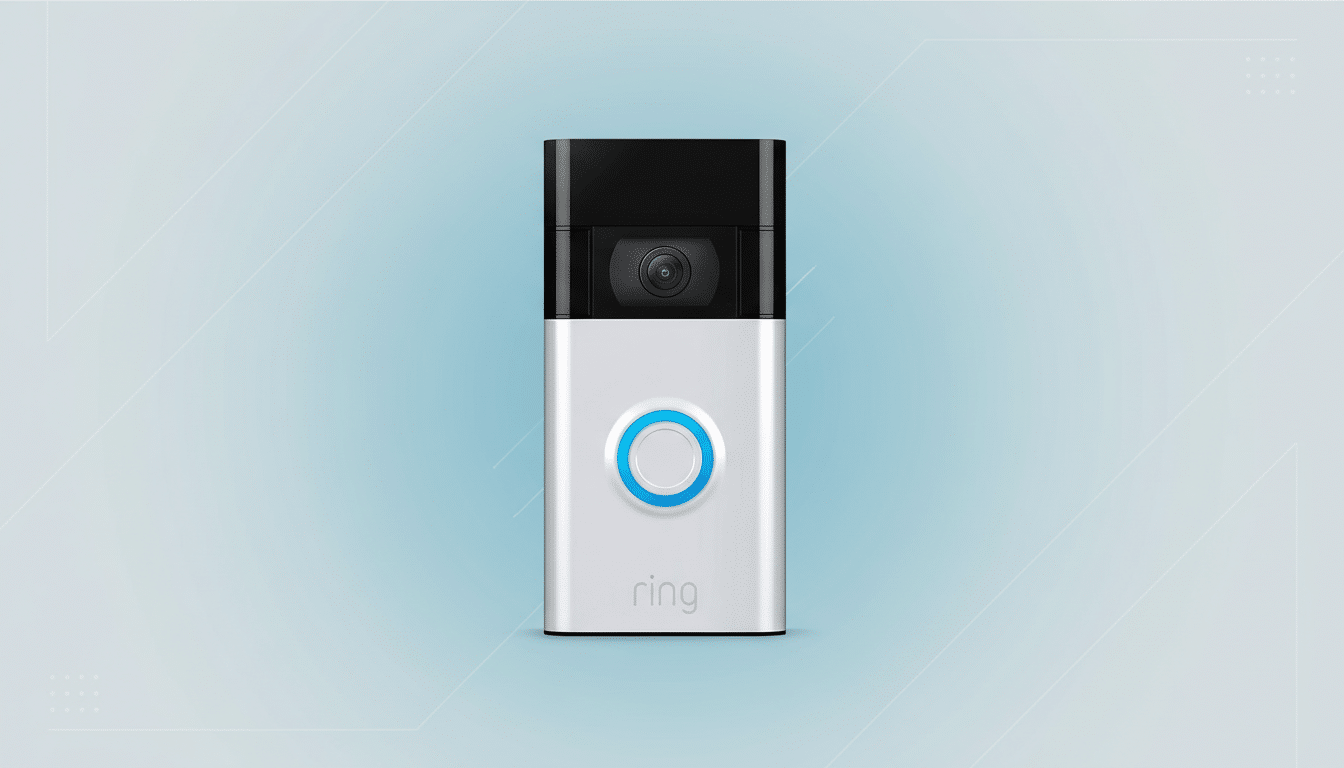
Amazon-owned Ring has scrapped its planned integration with Flock Safety, an expansive network of AI-enabled surveillance cameras used by local police and federal agencies. The move reverses an October announcement that would have let Ring doorbell owners share video with Flock’s platform to aid investigations.
In a company blog post, Ring said it mutually agreed with Flock to cancel the project because the integration would require “significantly more time and resources than anticipated.” The decision arrives as scrutiny intensifies over consumer surveillance tools that can feed law enforcement databases at scale.
What The Integration Would Have Enabled
The partnership promised a streamlined pipeline from neighborhood doorbells into a vast investigative system. Flock markets AI tools that let agencies search video using natural language and filters tied to appearance attributes. With Ring in the mix, investigators could have pulled in doorbell footage more easily for “evidence collection and investigative work,” expanding the footprint of already ubiquitous cameras.
Flock’s systems, which include tens of thousands of networked devices, are relied upon by police departments nationwide and, according to reporting by 404 Media, have been accessed by agencies including Immigration and Customs Enforcement, the Secret Service, and the Navy. Flock has said it does not explicitly work with ICE, underscoring the murky lines around interagency data access once footage enters government systems.
A Swift Turn After High-Profile Ad Backlash
Ring’s reversal follows backlash to a widely viewed Super Bowl ad touting its AI-powered Search Party feature, which depicts a neighborhood camera network mobilizing to find a lost dog. Privacy advocates warned that similar capabilities could be aimed at people, not pets. Ring has said the feature is not capable of processing human biometrics, but the ad spotlighted how easily consumer cameras can be repurposed for mass monitoring.
The controversy put a spotlight on a broader trend: convenience-first marketing often glosses over downstream uses that extend far beyond front porches, creating legal and reputational risk for brands seen as conduits to surveillance.
AI Video Search Raises Bias And Accuracy Risks
Tools that let agencies sift through vast datasets to locate people by descriptive prompts can amplify existing disparities. Research from the MIT Media Lab and evaluations by the National Institute of Standards and Technology have documented higher error rates in certain facial analysis systems for people with darker skin tones and women, compounding civil liberties concerns when such tools inform police action.

Even when companies avoid explicit facial recognition, attribute-based search and cross-camera tracking can function as de facto identification. Civil liberties groups such as the ACLU and the Electronic Frontier Foundation have cautioned that “person of interest” queries can become dragnet searches without robust safeguards, audit trails, and strict limits on retention and sharing.
Ring’s Ongoing Law Enforcement Links and Partnerships
Calling off Flock does not sever Ring’s ties to public safety agencies. The company already provides pathways for users to share footage with police on a voluntary basis and maintains partnerships in the public safety ecosystem, including with Axon, a supplier of policing technology. In December, Ring also rolled out Familiar Faces, an opt-in facial recognition feature that labels known visitors, further blurring the line between convenience and biometric surveillance at the doorstep.
Security remains a pressure point. In an enforcement action, the Federal Trade Commission required Ring to pay $5.8 million in 2023 after finding that employees and contractors had overbroad access to customer videos for years. That history heightens concerns about data governance when consumer footage enters complex investigative pipelines.
Why The Retreat Matters For The Industry
Ring’s pivot signals a recalibration in how consumer tech firms approach law enforcement integrations. The business case for frictionless evidence sharing is obvious—faster investigations, broader datasets, and sticky public safety contracts. But the reputational cost is mounting as regulators, watchdogs, and communities push back against tools that can be repurposed for surveillance beyond their advertised intent.
For now, Ring users won’t see immediate changes: the canceled integration means their doorbell footage will not be funneled into Flock’s search tools by default. Yet the episode is a reminder that where data travels—and who can query it—matters as much as what the camera captures. Clear standards on consent, transparency, and data minimization are quickly becoming table stakes for any company selling connected cameras and AI analytics.
The takeaway is less about one scrapped partnership and more about the direction of travel. As AI supercharges video search and cross-network analysis, companies at the intersection of home security and public safety will face a simple question from consumers and regulators alike: not whether you can build it, but how—and for whom—it will be used.