


Amazon is moving further into everyday essentials with a new private label line, Amazon Grocery, and promises most items will be priced at less than $5. Its menu includes over 1,000 products that range from staples to fresh food, and also gives the company a platform to apply price pressure in stores while doubling down on its online-first grocery model and express delivery network.
The assortment spans fresh fruits and vegetables, meat and seafood, dairy, pantry staples, snacks, and household items such as paper goods and cleaning supplies. The approach revolves around intro-level pack sizes and high-velocity items, which can consistently hit sub-$5 price points, combined with same-day or next-day delivery in eligible areas made available thanks to Amazon’s grocery channels.
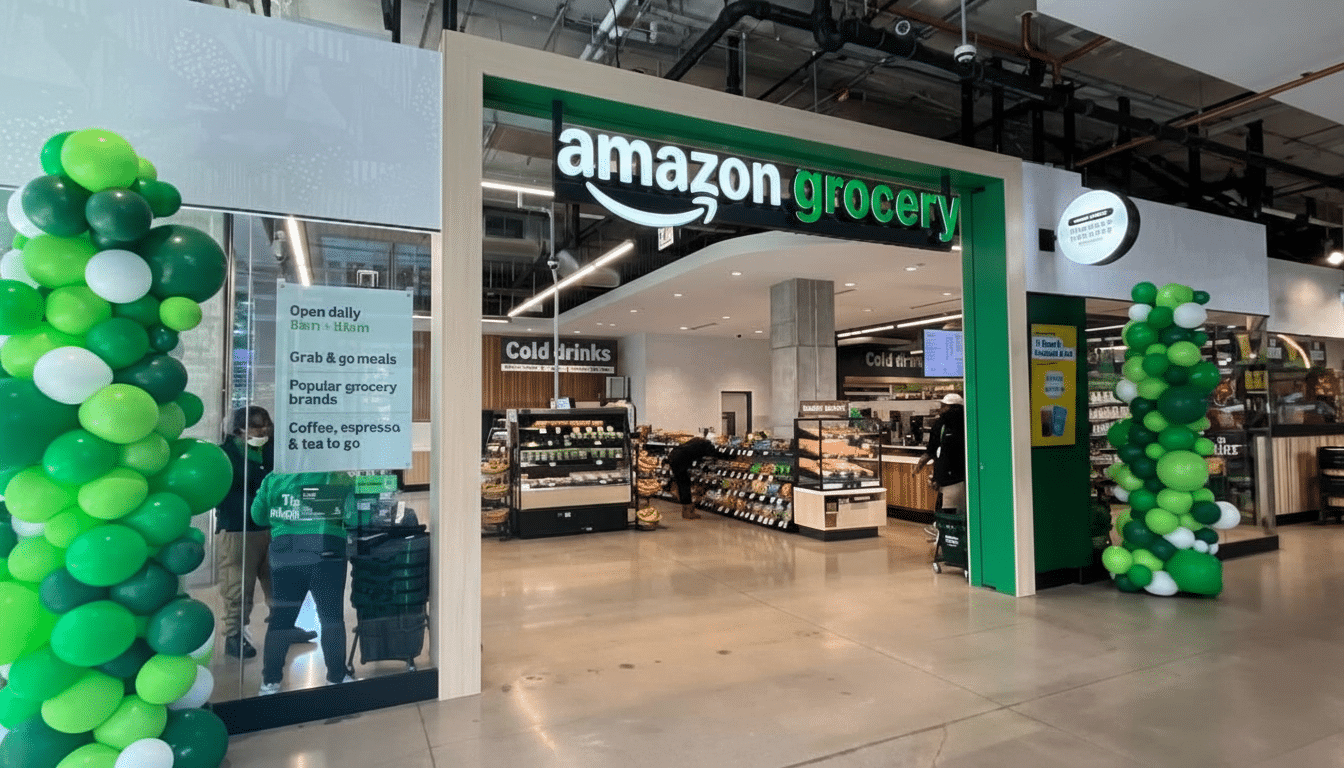
What the new Amazon Grocery line includes and offers
Amazon Grocery is meant to be the automatic option for an average weekly basket: pasta, rice, canned vegetables, breakfast food, baking supplies, condiments, and dairy staples, along with lunchbox snacks and single-roll paper goods. It’s a wide variety, not a small market cigar shop; we’ve chosen to support quality and predictability over obscure flavors or high-end blends.
Private labels are at an advantage when they find the sweet spot between everyday value and consistently reliable products, so look for practical packaging, clear nutrition labeling, and fewer pack sizes.
Amazon also has a built-in, self-reinforcement mechanism: ratings and reviews on the lot level, along with returns data and customer Q&A, can help inform rapid reformulations and line extensions — an edge that traditional grocers have trouble operationalizing at pace.
Why the sub-$5 price point is important for shoppers
After two years of price volatility in fruits and vegetables, there has been a shift toward more value-driven households. The Bureau of Labor Statistics has tracked higher “food at home” costs in recent years, and shoppers are still checking out unit prices. A distinct sub-$5 item serves as a psychological anchor — it makes decision making easier, prompts trial and helps shoppers stretch a budget without needing to change retailers mid-trip.
Private labels are also on a secular upswing. The Food Industry Association says that a large majority of Americans purchase store brands often, and consider the quality of these products equal to national brands. PLMA data with Circana tracking, for one, indicates a rise in store brand dollar share at record sales levels — and that spells opportunity. Amazon’s move taps directly into those habits while eliminating the aisle-by-aisle search in favor of algorithmic recommendations.
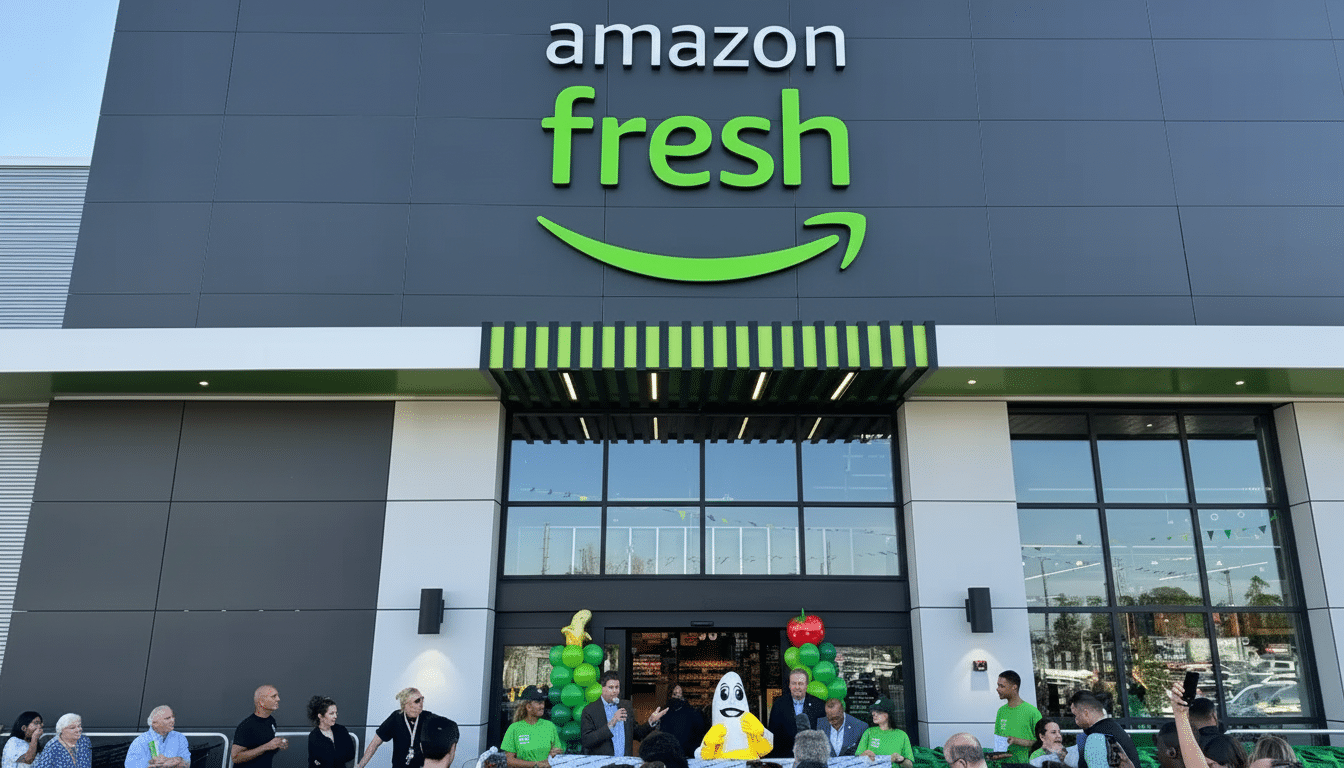
How Amazon can make the math work on sub-$5 items
Sub-$5 pricing online is possible when scale, sourcing and logistics align. Amazon can also consolidate purchasing across categories, use long-term supplier contracts and standardize specifications in order to keep costs low. Shorter supply chains for private brands, less intermediation and lower trade-promotion spending also typically help bring better margins than comparable national-brand items.
And on the fulfillment side, micro-fulfillment nodes, regional sortation centers and smart batching also enable low price points by driving higher pick rates and increasing last-mile density. Look for price elasticity models and dynamic promotions to nudge shoppers toward efficient baskets and delivery windows. Additional benefits, such as membership benefits, minimum order sizes and repeat purchases (subscriptions), can additionally improve unit economics by increasing the average order amount.
Rivals and the private label race across U.S. grocery
Amazon is taking direct aim at heavyweights that not only do well with value brands, but also completely outstrip smaller players. Walmart’s Great Value, Target’s Good & Gather, Kroger’s Simple Truth, Costco’s Kirkland Signature and Aldi’s private labels have trained shoppers to expect a lower price without compromising quality. Amazon’s competitive advantage is one of convenience at national scale: a sort of one-stop shopping, online-first experience that combines shelf-stable goods with perishables and household items.
Access is another factor. Amazon currently accepts SNAP EBT for eligible groceries in many states, according to the U.S. Department of Agriculture; that could help bring budget offerings to a broader audience. In the meantime, manufacturers will confront a more challenging negotiating environment as Amazon’s private-label share increases, possibly reallocating trade dollars towards retail media and price investments to protect market share.
What shoppers should watch as Amazon rolls out line
Availability will depend on ZIP code, and fees or minimum orders apply for delivery based on membership and local service levels. Perishables demand tight cold-chain management and precise substitutions; Amazon’s ability to consistently fulfill fresh items will be a key indicator of its execution strength. Real value for one’s household is in the eye of the shopper; they should consider unit prices and pack sizes, especially for paper goods and snacks, before assuming that anything below $5 will be well worth it.
If Amazon keeps quality and in-stock rates constant, the new line could reset price expectations for online groceries and induce rivals to respond. She, and most shoppers, can’t complain: “It’s all about basics that will last,” she said, as she walked through the store so customers could get a better look at her test model items. “You want to know you didn’t pay $4.99 just for bullshit.” For a customer, the litmus test is simple enough: Does this wash-and-wear T-shirt fulfill its promise of arriving in two days (free shipping on orders over $50), and if it doesn’t work out, does the five-finger crimped receipt really prove that nearly everything here — from workout tanks to hairbrushes — can come in under five dollars?