


Amazon is bringing an AI-powered scene search to Fire TV that lets you jump straight to when “that thing happens” in a film on Prime Video by describing it to Alexa+. Request “the karaoke moment with the best friend” or “the showdown in the rain,” and Alexa+ will land you right there, sidestepping scrubbing and guesswork.
How the Alexa+ scene search feature works on Fire TV
Behind the scenes, Fire TV combines natural language understanding with visual and subtitle analysis. Amazon says even if you don’t name it, Alexa+ can reverse-engineer the title using character references, actors, memorable lines, and who was in what scene. The system uses movie captions, timecodes aligned to the captions, and visual understanding to disambiguate moments that sound alike.
The capability is built on Amazon Bedrock, the company’s managed platform for generative AI. According to Amazon, the stack leverages several large language models, like Amazon Nova and Anthropic Claude, to parse enigmatic requests and compare them against a growing index of scenes. That means, in practice, you can say “Go to the airport chase,” “Jump to the reunion at the pier,” or cite a character’s line without memorizing timestamps or chapter names.
Where Alexa+ scene search works and what you need to use it
Currently supported are thousands of movies on Prime Video, with tens of thousands of scenes indexed and more being added daily. Amazon intends to support television shows, which would necessitate even wider indexing over episodic content and finer granularity in scene boundaries.
There’s one important limitation: the jump-to-scene command is available only for titles that are included with a Prime membership or movies you have bought or rented on Prime Video. If a movie isn’t in your library or subscription catalog, you can still use Alexa+ to track it down — but instant scene-jumping won’t start playback if access is denied.
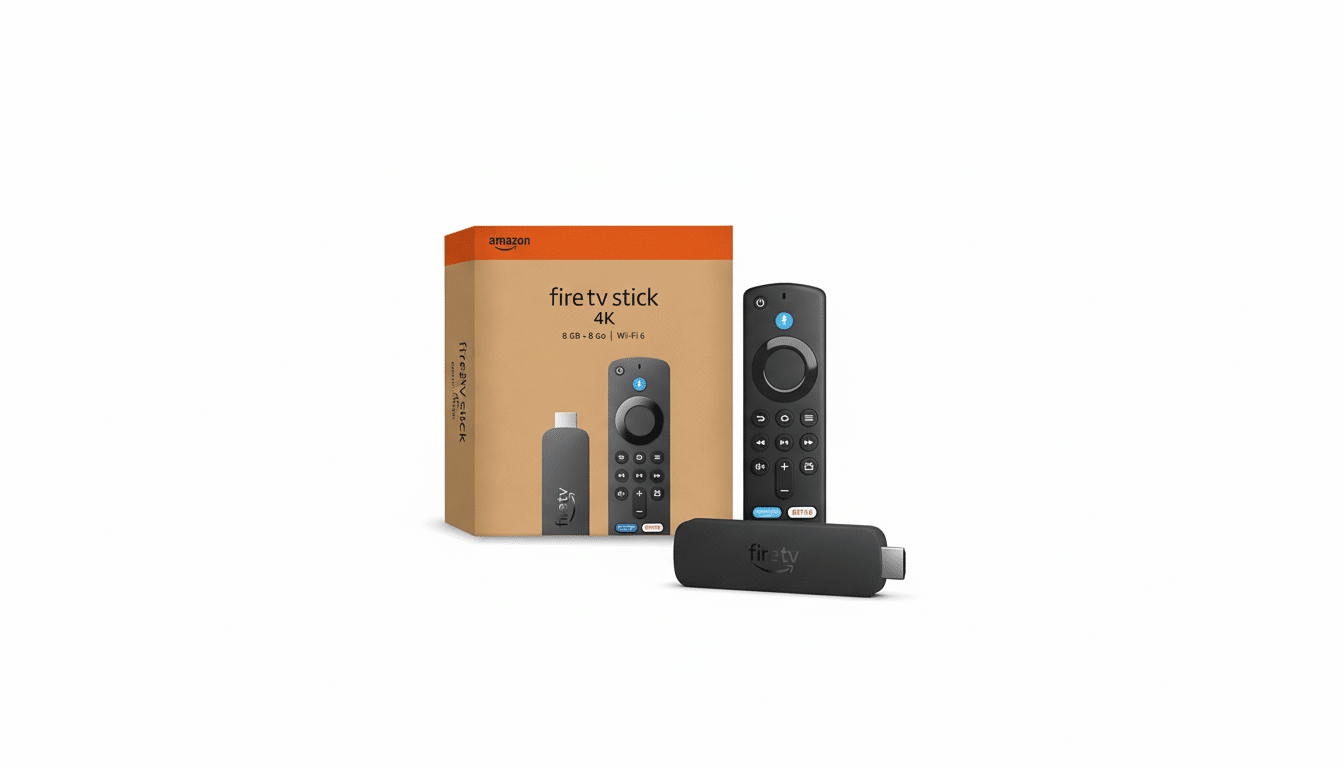
The feature is available on select Fire TV devices with support for Alexa voice control. Amazon has placed a heavy bet on voice-first viewing on Fire TV, which the company says has over 200 million devices sold worldwide, so device reach is likely to drive more usage.
Why scene-level navigation on Fire TV matters for viewers
Scene-level navigation comes as an answer to one of streaming’s most enduring frictions: rediscovering a moment you love without needing to rewatch half the movie. Research from the likes of Nielsen and Accenture has repeatedly indicated content discovery is a problem for viewers; scene search addresses that not just across catalogs but inside the title itself, effectively compressing time-to-entertainment.
Studios and rights holders might use finer-grained navigation to increase engagement with catalog films. If fans can go straight to a showstopper number or an iconic monologue, they are more likely to return for repeat visits — behavior that is likely also associated with better retention on subscription services. Prime Video at Amazon previously showed that metadata-rich experiences make people curious; now comes the next level, in which metadata becomes instant navigation.
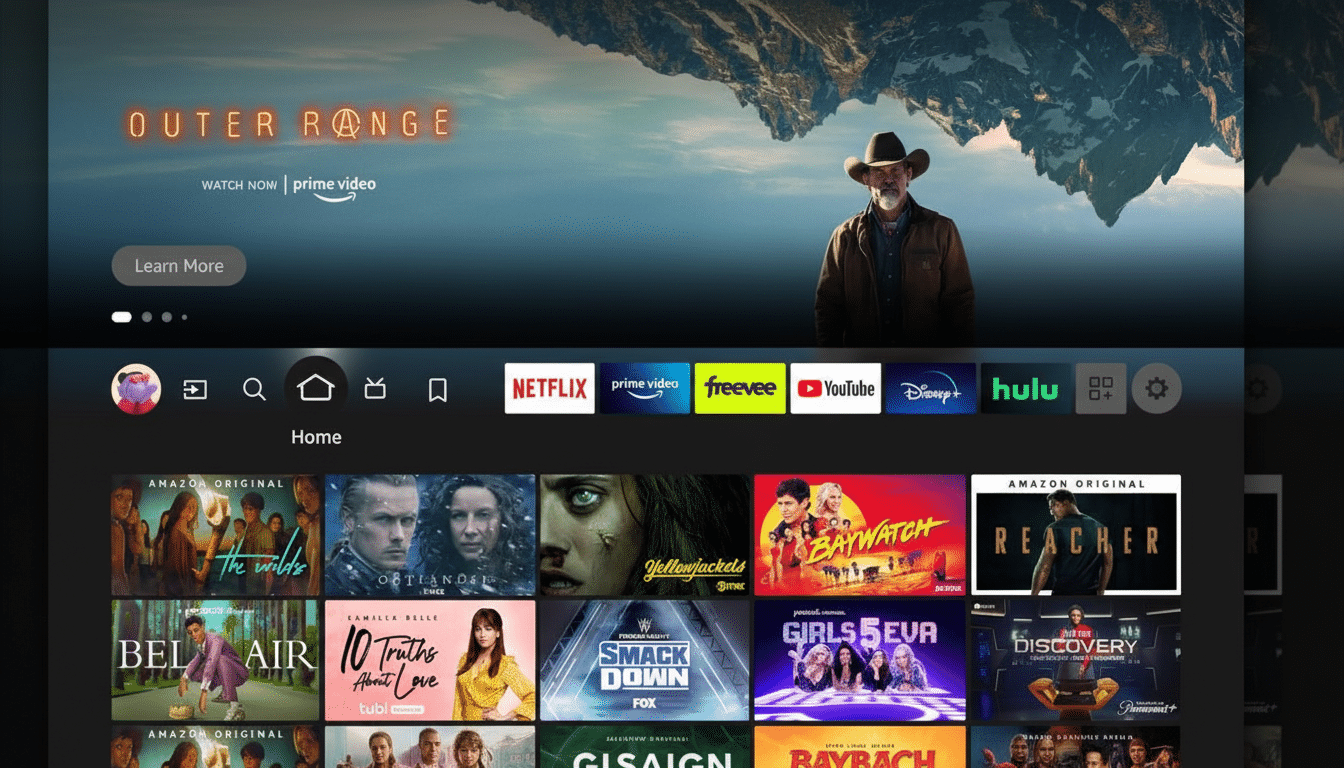
It also ups the game for rivals. Roku and Apple TV have long offered voice search by actor or title, and YouTube deploys AI to put those chapters in the right places and provide “jump ahead” prompts, but free-form scene retrieval inside premium films is still relatively rare. If Amazon’s method scales to series episodes — which come with more complicated plot threads and repeat settings — it might give Fire TV a signature edge against the competition.
Under the hood and key open questions about Alexa+
Scene-level indexing, however, is computationally challenging. Models should integrate dialogue, on-screen entities, and time-aligned captions robustly and respond to vague user requests as well. Experts have mentioned the mix of models from Bedrock as a positive, saying it will allow the system to route queries to the best fit for language-, reasoning-, or vision-based tasks, leading to better accuracy as models continue to evolve.
Two practical questions remain. First, how scalable and efficient is scene matching during peak hours? Latency is important when users are used to jumping right away. Second, where do the data and privacy bounds for voice requests and viewing analytics sit? Amazon hasn’t disclosed the breakdown of on-device versus cloud processing for this — an area that, in a system based around voice and content comprehension, privacy advocates will likely be interested in.
What comes next for Alexa+ scene search on Fire TV
Amazon says it will extend the index to additional films and add TV shows soon. Look for more advanced prompts, such as “find scenes set in Paris” or “show all interactions between these two characters,” both as the system learns from users and as more metadata becomes available. Once Amazon opens up scene-level APIs to partners, third-party apps could get in on the same kind of navigation used elsewhere on Fire TV, and users would get a consistent voice-first experience no matter what service they are using.
For now, a scene search feature powered by generative AI is proving to be the low-hanging fruit for improving one of the most basic components of movie-watching: arriving at the good part more quickly.
If the execution matches the pitch, rewinding in search of that one indelible passage might finally be a thing of history.