


Apple’s second-generation AirTag looks familiar, but it meaningfully tightens the screws on the features that matter: precision range, audible alerts, and reliability within the vast Find My network. I compared AirTag 2 to the original side by side and found clear gains where day-to-day users will feel them most.
What Is Actually New in Apple’s Second‑Generation AirTag 2
The big upgrade is Apple’s second‑gen Ultra Wideband silicon, paired with a new Bluetooth radio. That combination enables Precision Finding from farther away and with steadier directional guidance when you’re closing in. The speaker is also louder, making it easier to locate a tag that’s buried in a bag or wedged in a couch.
- What Is Actually New in Apple’s Second‑Generation AirTag 2
- Range and Precision Finding: How AirTag 2 Extends Tracking
- Louder Alerts and Safety Signals for More Confident Tracking
- Battery Life and Durability: What AirTag 2 Still Delivers
- The Find My Network Advantage Behind AirTag 2’s Reliability
- Price and Value: AirTag 2 at $29 or $99 for a Four‑Pack
- Bottom Line: Should You Upgrade to Apple’s AirTag 2 Now?
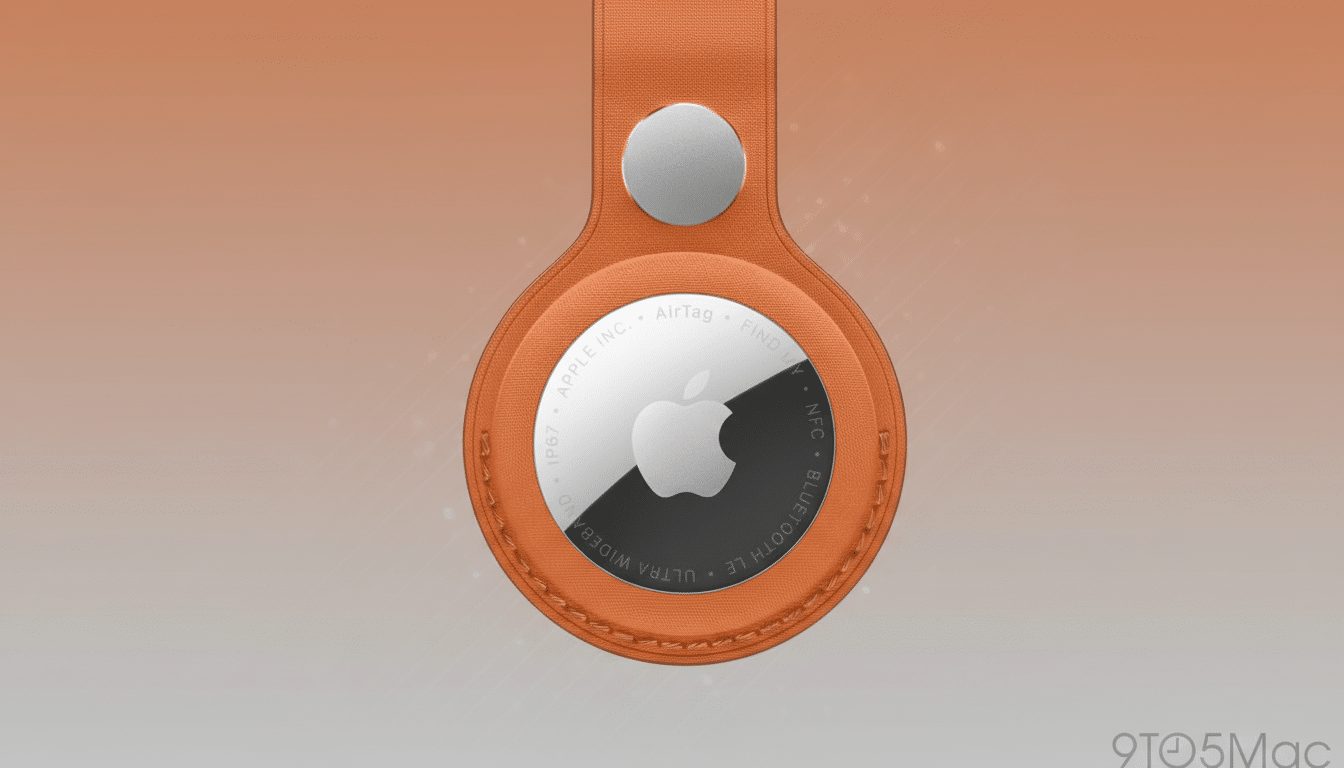
Design, dimensions, and weight are unchanged, which means existing accessories still fit. The coin cell remains a user‑replaceable CR2032 with an estimated one year of life, and water resistance stays at IP67. In other words, the fundamentals of the original are intact; the electronics got smarter and stronger.
Range and Precision Finding: How AirTag 2 Extends Tracking
Apple says the new hardware can push precision tracking up to 50% farther when paired with a compatible iPhone. In practice, your walls and interference will decide the final number, but the difference is tangible.
In a set of simple apartment tests, AirTag 2 maintained a stable Precision Finding arrow through two interior walls at roughly 45–50 feet, and it continued to update direction when I moved room to room. The first‑gen AirTag in the same spot would drop the arrow and fall back to a vague “nearby” status around 30 feet. Outdoors, line of sight, AirTag 2 stayed rock‑solid at distances where the original became intermittent.
You’ll need an iPhone 15 or newer to tap into the extended UWB capabilities. Older iPhones still work with AirTag 2 via Bluetooth and the Find My network, but the most noticeable gains arrive with Apple’s newer UWB stack on both ends.
Louder Alerts and Safety Signals for More Confident Tracking
The integrated speaker is clearly louder and punchier than the original. In everyday terms, that means a chirp that cuts through a noisy household or a padded backpack. In my testing, placing AirTag 2 deep inside a travel pack still produced a tone I could follow from the next room; the older tag was muffled in the same setup.
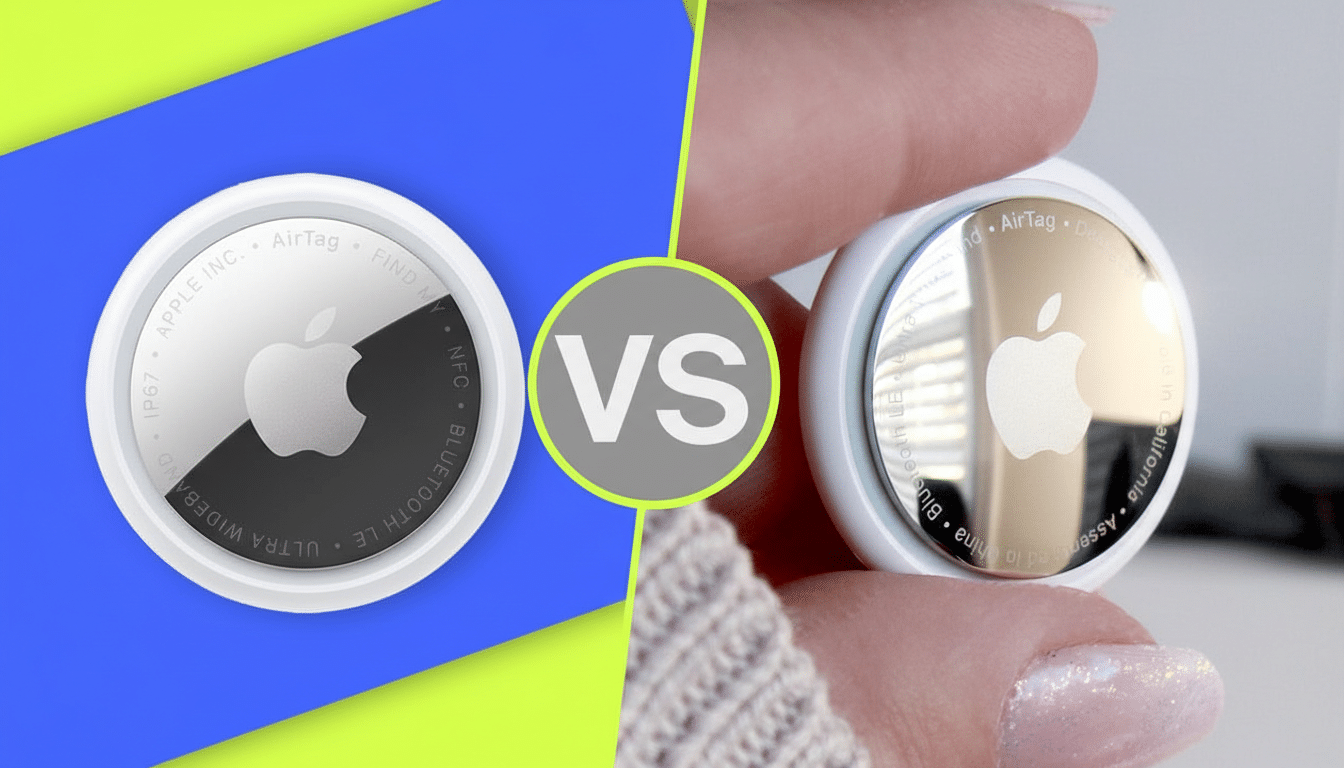
On the safety front, AirTag 2 continues to support unwanted tracking protections. Apple and Google jointly rolled out cross‑platform alerts so Android users receive notifications if an unknown tracker appears to be moving with them. A louder chirp makes those alerts more actionable in real spaces, whether you’re trying to find your own tag or identify one that shouldn’t be there.
Battery Life and Durability: What AirTag 2 Still Delivers
Battery life is still rated at about a year on a CR2032 cell, depending on how often you play sounds or trigger Precision Finding. The replaceable design remains a key advantage for long‑term ownership, and accessory compatibility from gen one carries over. IP67 resistance handled the usual spills and splashes in quick kitchen and sidewalk tests without issue.
The Find My Network Advantage Behind AirTag 2’s Reliability
AirTag’s secret weapon hasn’t changed: Apple’s Find My network, which piggybacks on the enormous global footprint of iPhones, iPads, and Macs. Apple has said its active device base exceeds 2 billion, and that scale is why even a Bluetooth‑only ping in a crowded area often translates into a near‑real‑time location update.
For travelers, that reach is practical insurance. Aviation technology firm SITA has reported millions of mishandled bags globally each year; a tag that can quietly phone home within a minute of cruising past anyone’s iPhone can shave hours off a lost‑and‑found chase.
Price and Value: AirTag 2 at $29 or $99 for a Four‑Pack
Pricing holds steady at $29 for a single AirTag and $99 for a four‑pack. The original model often dips below MSRP at retailers, which keeps it compelling for users on older iPhones who won’t benefit from the expanded UWB range anyway. If you own an iPhone 15 or later, AirTag 2’s longer precision reach and louder alerts are instantly noticeable upgrades for the same list price.
Bottom Line: Should You Upgrade to Apple’s AirTag 2 Now?
AirTag 2 doesn’t reinvent the tracker, but it meaningfully extends the distance at which Precision Finding is useful and makes the audible signal much harder to miss. New buyers should go straight to AirTag 2. If you already have a handful of first‑gen tags, consider upgrading the ones you rely on most—keys, luggage, camera bag—especially if your phone supports Apple’s latest UWB. For everyone else, the original remains a strong value, but AirTag 2 is the clear best‑in‑class choice inside Apple’s ecosystem.