


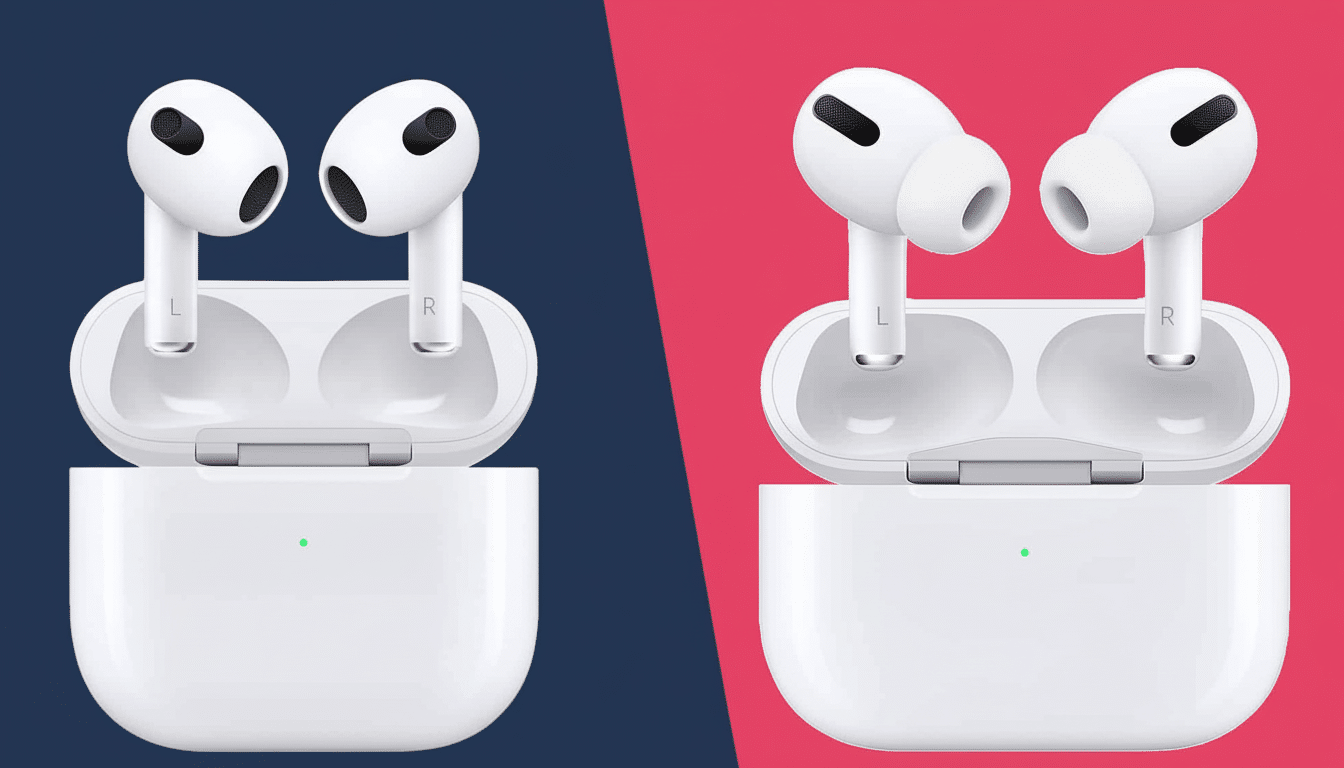
I’ve spent the past week swapping between AirPods Pro 3 and AirPods Pro 2, and the tale is clear: these are evolutionary earbuds separated by a handful of strategic upgrades that only some users will care about. Headline gains on the Pro 3 include a built-in heart rate sensor, stronger dust and water protection, superior battery life and a small but healthy step up in both active noise cancellation and sound quality.
AirPods Pro 3 design and fit improvements explained
Pro 3 retains the familiar shape but adjusts the earbud contour, venting and eartips. The result is a somewhat better seal with no severe pressure, which both aids bass response and long-listen comfort. Apple’s also shifted to a new 10.7mm driver and acoustic design, culminating in cleaner midrange and a more consistent low end at moderate (read: not blaring) volumes; you can hear it.
- AirPods Pro 3 design and fit improvements explained
- Health and fitness tracking features on AirPods Pro 3
- Noise cancellation and sound differences between models
- Durability and water resistance upgrades in Pro 3
- Battery life, chipset changes, and connectivity details
- Pricing and overall value compared with AirPods Pro 2
- Who should upgrade from AirPods Pro 2 to Pro 3
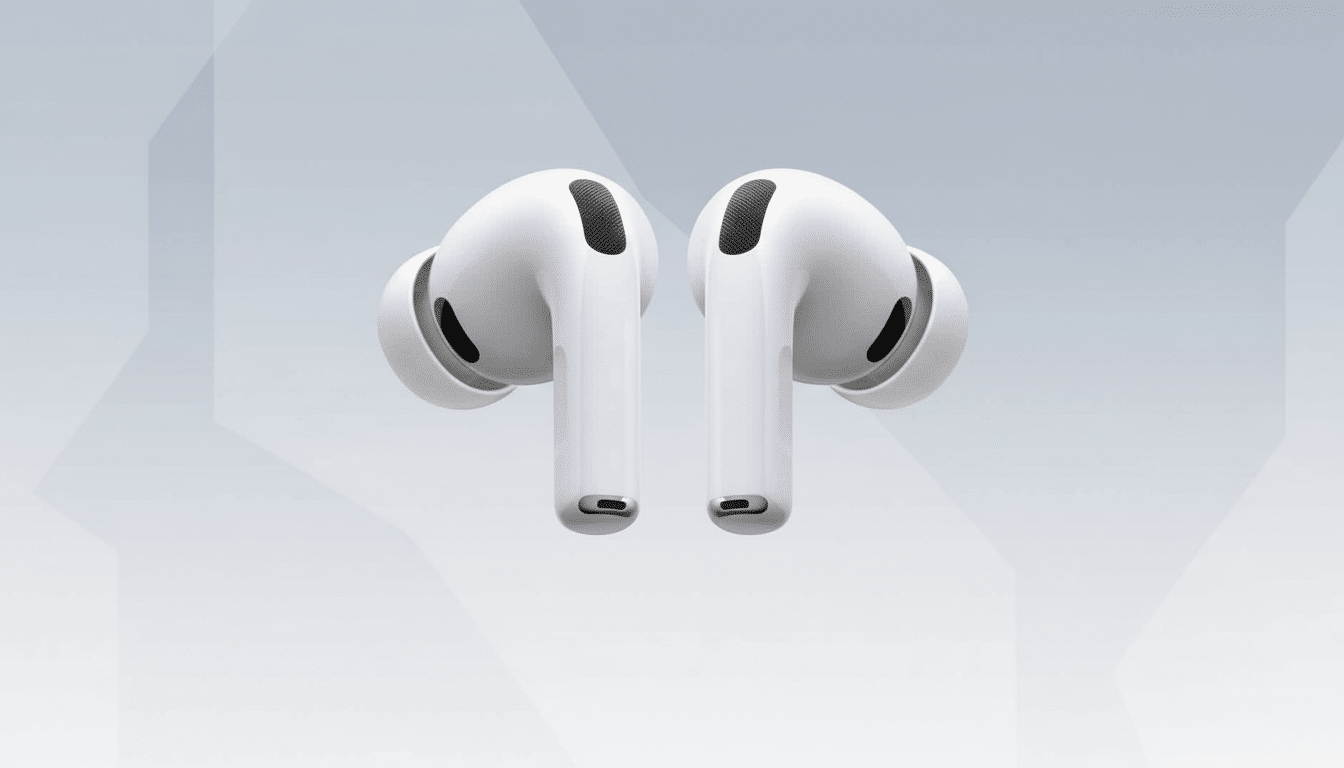
For people who wear earbuds for calls at all hours of the day, that slight fit adjustment matters. I experienced less micro-jiggling during a commute, for example, and fewer wind-induced artifacts during Transparency Mode.
Health and fitness tracking features on AirPods Pro 3
The most notable addition is a heart rate sensor in each Pro 3 earbud. The buds track heart rate, active minutes, and calorie estimates when you begin a workout from the Fitness app with no watch required. Our ear-based heart rate tracked a few beats per minute below a chest strap in interval runs on the treadmill once we got the seal set, though it lagged by 10-15 BPM during sprint ramps — a common shortcoming with optical sensors in motion.
This is an easy one-device option for those who are going to the gym or running casually. Hardcore athletes may still want a chest or arm sensor for interval accuracy, but that flexibility here is hard to ignore — especially if you carry an iPhone all day but don’t have a watch.
Noise cancellation and sound differences between models
Both models are powered by Apple’s H2 chip with Adaptive Transparency and Personalized Spatial Audio. In reality, the Pro 3 clamp down slightly harder on the low-frequency rumble and there’s a little bit more attenuation of cabin and subway noise. On a cross-country flight — where cabin levels generally hover around 80 to 85 dB, as airline and acoustics studies have found — the Pro 3 made steady engine thrum feel a little more distant, while speech intrusions were less obtrusive.
Music tuning on Pro 3 is cleaner, with improved separation in busy mixes. Pro 2 has a more controlled bass lift at these volumes, and the upper mids, where vocals sit, are just slightly more forward without being harsh. Fans of the already fairly balanced signature on the Pro 2 need not worry, since they will still feel at home, albeit with more polish.
Durability and water resistance upgrades in Pro 3
Here’s a significant quality-of-life upgrade: Pro 3 is rated IP57; that’s an improvement from the IP54 rating on the Pro 2 USB-C and IPX4 rating on the Pro 2 Lightning model. That’s much better dust resistance and water protection, with tolerance for brief submersion of up to about a meter. That’s a comfort for sweaty workouts, wet commutes and your dusty gym bag; it also applies to the charging case, which many rival flagships still don’t give any rating at all.
If you own the Lightning Pro 2, stepping up from splash-only coverage to dust and immersion resistance is a big deal.
For many people, that alone would be enough to make an upgrade worth it.
Battery life, chipset changes, and connectivity details
Battery life gets a nice bump: Pro 3 offers up to eight hours on a charge (ANC on) vs. around six on Pro 2, and total case life goes from around 30 to 40 hours. If your two- to three-year-old Pro 2 is down from its original hours per charge, puny lithium cells being, presumably, what they are according to teardown experts and research groups studying batteries (or some such fate), this is the upgrade you’re going to feel every single day.
Both models include Bluetooth 5.3 and are compatible with Live Translation, hearing protection features such as exposure notifications, and Spatial Audio. New on Pro 3 is the inclusion of the U2 ultra-wideband chip, which offers even more precise Find My location when paired with recent iPhones and means you can zero in on a misplaced case in the apartment or from crowded subway cars, lightning-quick.
Pricing and overall value compared with AirPods Pro 2
With Pro 3 coming in at the usual premium price, the value equation is purely based on how you use your buds. Pro 2 remains well stocked at retailers for below retail, frequently falling under $189 during sales. If you mostly listen to music, take calls and commute, the Pro 2 are still great and offer you the same core chip and software benefits.
But the inclusion of a fitness-ready heart rate sensor, greater battery life, improved ANC and tougher IP57 protection make Pro 3 the more travel- and workout-friendly option.
If you own an iPhone 15 or later model, then Precision Finding with the U2 chip is an added time-saver and stress reliever.
Who should upgrade from AirPods Pro 2 to Pro 3
Upgrade if you work out frequently and you want dependable heart rate readings without a watch, or your Pro 2 battery is waning and you need more endurance per charge throughout your day. Commuters and travelers who love more potent low-frequency noise canceling will enjoy the Pro 3’s bonus ANC boost.
If your buds are in good condition and you don’t need health metrics, stick with Pro 2. You’ll still receive excellent sound, strong noise cancellation, Live Translation and deep ecosystem integration.
For everyone else, it is Apple’s most well-rounded offering ever in a pair of in-ears: not so much a flashy overhaul as a delicate stack of improvements that result in a substantial upgrade for your daily life.