


AI is not just changing jobs — it is reorganizing power. As software eats routine management work and project teams form and dissolve around automation, the old step-by-step climb is giving way to flatter structures and tournament-style opportunities. That is unsettling if you were counting on tenure to carry you upward. It is also a chance to accelerate, if you can prove you are ready to lead now.
Here is what the data says: the World Economic Forum expects 44% of workers’ core skills to shift in the next five years, while McKinsey estimates generative AI could add $2.6T to $4.4T in annual value across industries. Translation — capital is flowing to AI, roles are being redesigned, and the window to step into bigger responsibility is open, but only for people who demonstrate board-level thinking and measurable impact.
- Why AI flattens the management ladder and compresses rungs
- 1. Prove P&L impact with AI fluency and CFO-level rigor
- 2. Get boardroom perspective early to strengthen judgment
- 3. Lead beyond your silo to deliver cross-functional wins
- 4. Practice open ecosystem leadership for faster learning
- 5. Scale yourself by building successors and strong benches
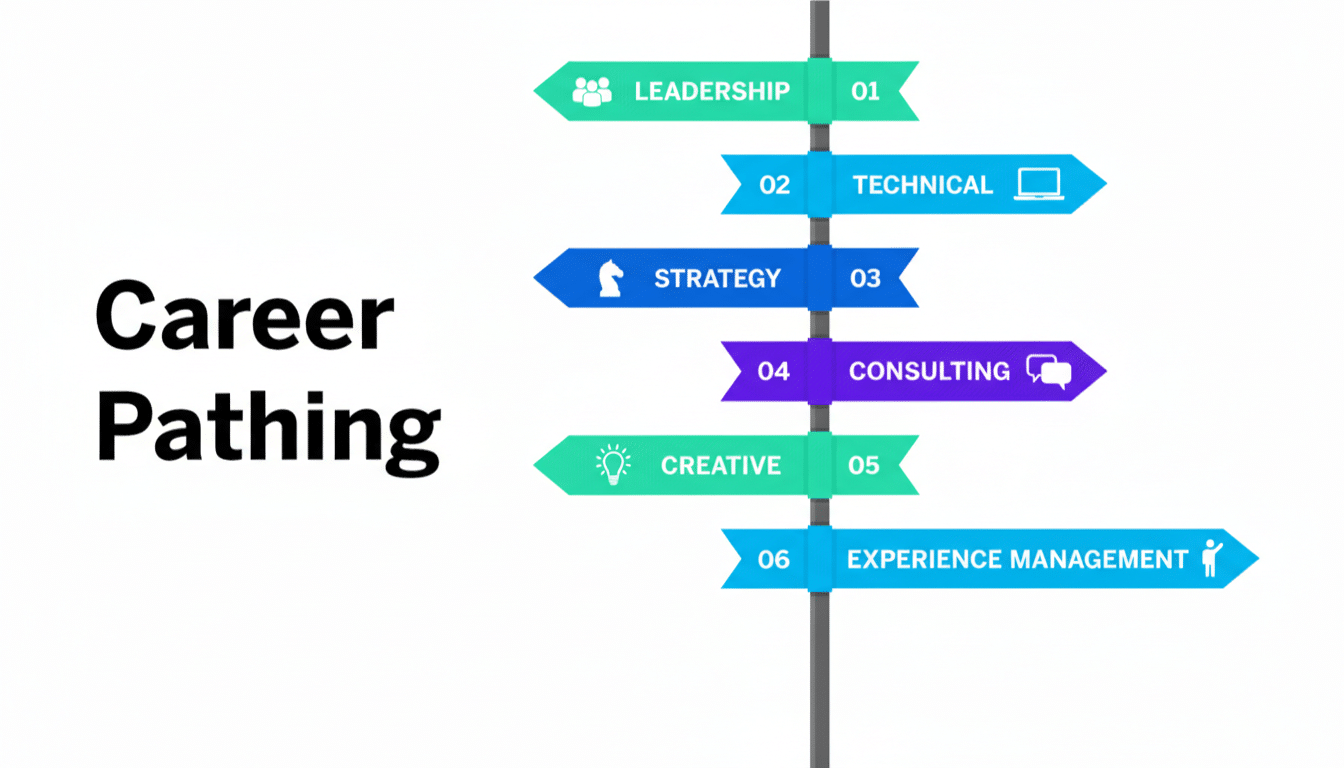
Why AI flattens the management ladder and compresses rungs
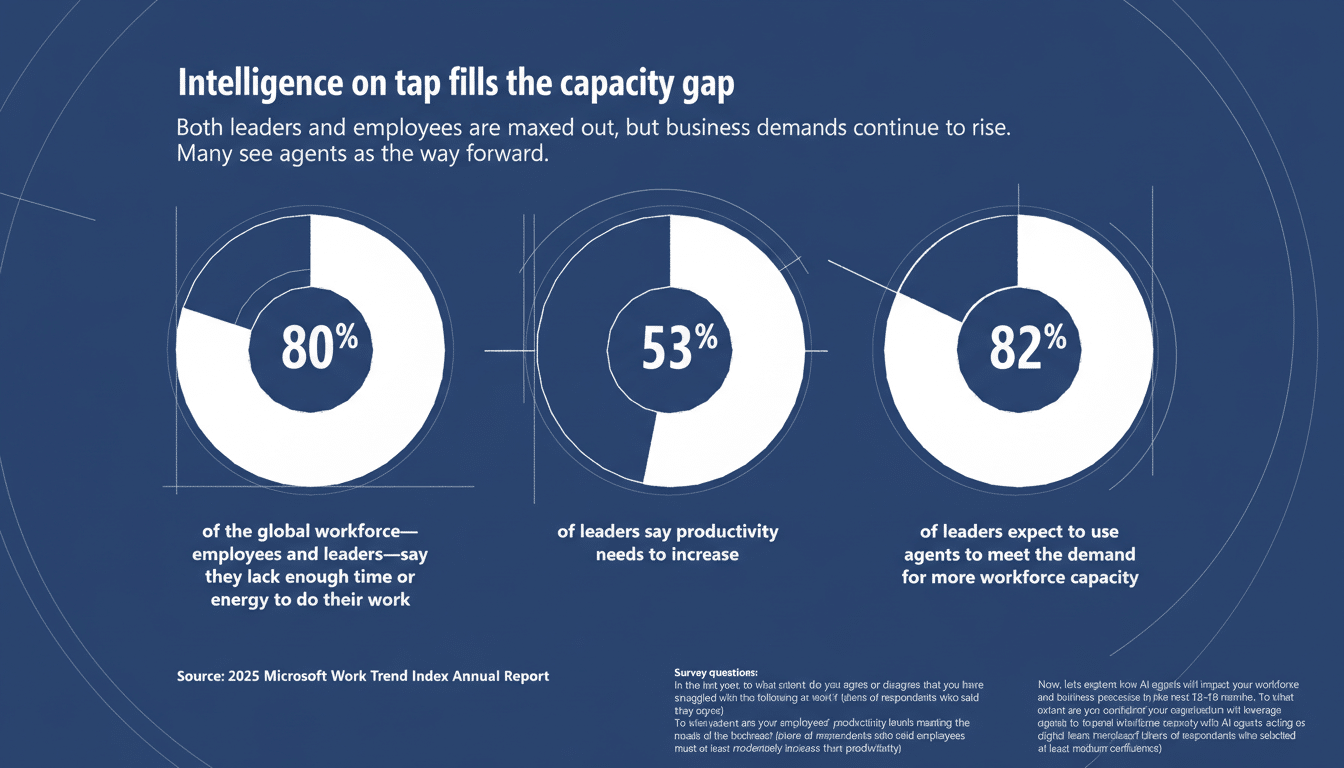
Middle management once advanced by mastering repeatable processes. AI now handles many of those tasks: status tracking, forecasting, slide prep, even first drafts of strategy memos. The Microsoft Work Trend Index reports 75% of knowledge workers already use AI on the job, and 78% bring their own tools. Fewer “prove-it” chores means fewer rungs. What gets rewarded is cross-functional influence, not time-in-seat.
CEOs are feeling the urgency. In its latest global survey, PwC found a large share of leaders doubt their businesses will stay viable a decade from now without transformation. That pressure compresses hierarchies and favors leaders who can move fast, build coalitions, and show how AI translates into revenue growth, cost takeout, and risk control.
1. Prove P&L impact with AI fluency and CFO-level rigor
Fluency is not writing code — it is speaking the language of value. Frame AI initiatives as business cases tied to the P&L: churn reduction, higher conversion, lower service cost, fewer write-offs, faster cycle times. Define the metric, the baseline, the expected lift, and how you will attribute impact. Then report results the way a CFO would.
Use established guardrails: describe data sources, model risks, and human-in-the-loop controls. Citing that McKinsey range ($2.6T–$4.4T) is helpful, but your credibility comes from a pilot that cut forecasting error by a measurable % or shaved days off a quote-to-cash process. Put a dollar sign next to your work and you will get tapped for larger scope quickly.
2. Get boardroom perspective early to strengthen judgment
Executives are chosen for judgment, not just domain depth. You can build that judgment by serving where governance happens. Seek a non-executive or advisory role — a nonprofit trustee seat, a school or college governor post, a startup advisory board, or a committee position in a professional body. Regulators and media organizations, including groups such as Ofgem and major publishers, increasingly appoint data and technology leaders as independent directors because they need digital oversight.
Board exposure forces you to weigh risk, audit, remuneration, and stakeholder impact — the issues senior leaders live with daily. Bring those muscles back to your day job: reference enterprise risk in your proposals, quantify customer implications, and ask for an independent challenge. You will sound like someone who belongs at the top table.
3. Lead beyond your silo to deliver cross-functional wins
An AI-era leader assembles outcomes across product, data, legal, finance, and HR. Volunteer to run a cross-functional initiative with a clear, time-bound target. Draft a one-page charter, clarify decision rights, and agree on a shared scoreboard. Then remove friction: align data definitions, broker trade-offs, and get the last 10% done.
Because AI adoption outpaces policy in many firms, help write the rules. Stand up a working group on responsible AI, define review gates, and coordinate with compliance. You will improve delivery and demonstrate the political tact executives need to operate in matrixed organizations.
4. Practice open ecosystem leadership for faster learning
Closed strategies break quickly in fast-moving tech. MIT Sloan Management Review and BCG have shown that organizations realizing outsized AI value are the ones that deliberately learn from customers, frontline users, and external partners. Make that your habit: run customer councils, rotate shadow sessions with sales and support, co-create with vendors, and publish what you learn internally.
Humility is a performance enhancer. Start meetings with “What am I missing?” and close with decisions, owners, and dates. Leaders who treat the ecosystem as an early-warning system avoid blind spots and ship better products — and they are trusted with bigger bets.
5. Scale yourself by building successors and strong benches
If your team cannot run without you, promotion is risky for your boss. Make it safe to elevate you. Document the operating system of your function, delegate signature decisions, and create a bench with clear stretch goals. Use AI to give your team leverage — playbooks, copilot prompts, automated QA — and track throughput and quality.
LinkedIn research shows companies with strong internal mobility keep talent longer, and IBM’s Institute for Business Value estimates 40% of the workforce will need reskilling within three years due to AI. Sponsor that mobility and reskilling. When you consistently turn individual contributors into confident leads, you prove you can scale a business unit — the essence of executive work.
The ladder may be collapsing, but the opportunity is not. In a flatter world, the people who blend AI-savvy judgment, enterprise perspective, coalition-building, open learning, and successor-making jump rungs. Do the job before you get the title, show the numbers, and the title follows.