


A photograph has always been a way to preserve a moment, capturing a person, place, or idea at a specific point in time. However, as artificial intelligence continues to evolve, the relationship between images and digital storytelling is beginning to change.
Today, images are no longer limited to being static visuals. AI-powered creative technologies are opening new possibilities for transforming existing pictures into more dynamic experiences, allowing people to explore new forms of expression without relying entirely on traditional production methods.
- What Is an AI Photo to Video Generator?
- How Does AI Transform a Static Image Into a Video?
- How AI Photo Animation Is Creating New Ways to Tell Visual Stories
- From Preserving Moments to Creating Experiences
- Helping Creators Develop More Engaging Content
- Expanding Creativity Beyond Traditional Media
- Beatmo: Bringing Static Images to Life Through AI Motion
- Frequently Asked Questions About AI Photo to Video Generators
- How AI Photo to Video Generators Are Reshaping the Future of Content Creation
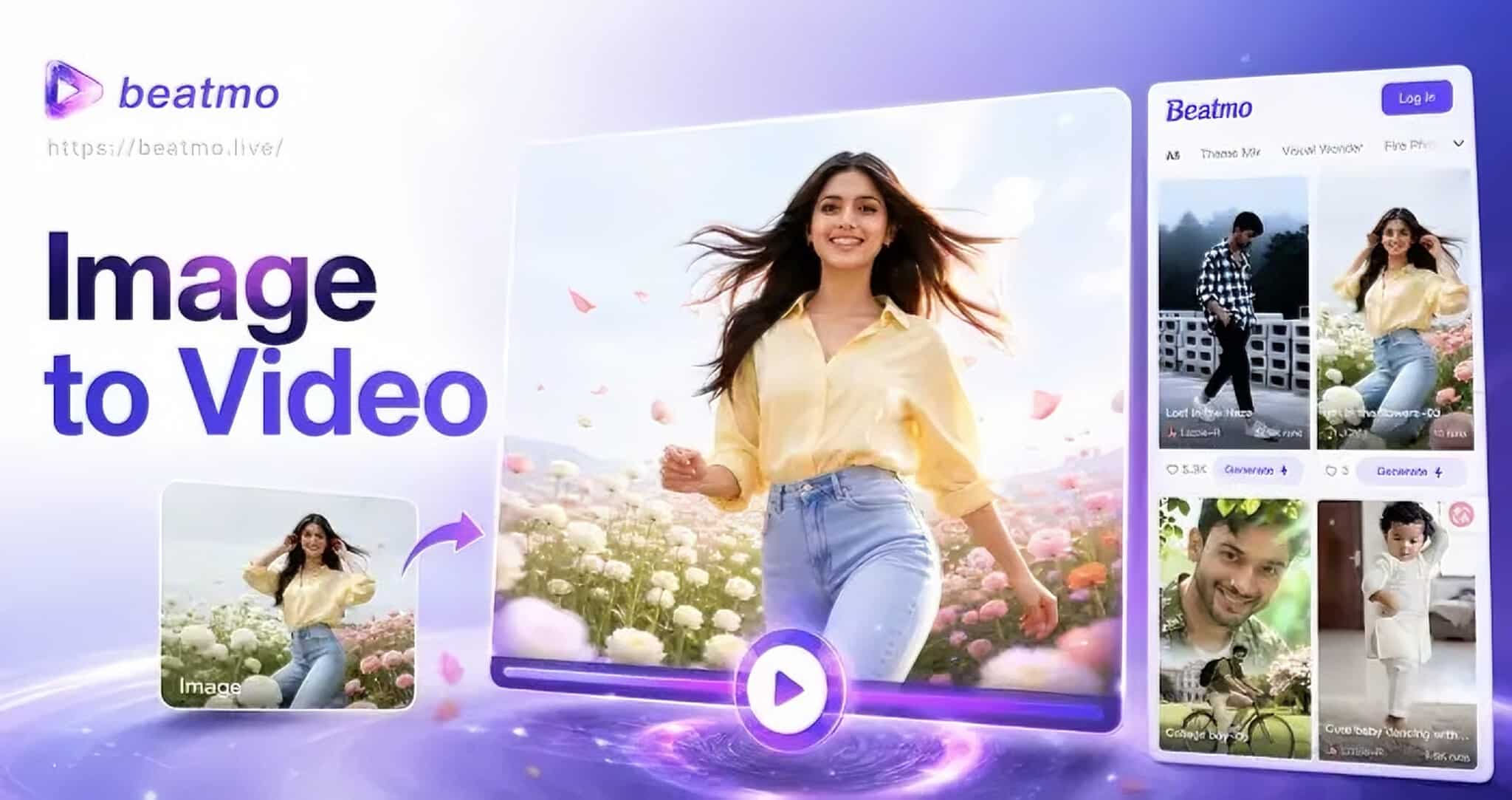
An AI photo to video generator represents this shift by combining image understanding, motion generation, and creative automation. From personal memories to digital storytelling, this technology is changing how people create and interact with visual media.
This article explores what AI photo-to-video technology is, how it works, why it is becoming important for modern creators, and how platforms like Beatmo are helping users experiment with AI-powered motion content.
What Is an AI Photo to Video Generator?
An AI photo to video generator is a tool that uses artificial intelligence to transform a static image into a short video by generating movement, visual changes, or animation effects.
Unlike traditional animation, which often requires manual editing, keyframes, and specialized skills, AI-powered tools can analyze an image and automatically create motion based on its visual information.
The technology can be applied to different types of images, including:
- Portrait photos
- Artwork and illustrations
- Character designs
- Travel images
- Product visuals
- Creative concepts
The purpose of an AI photo-to-video generator is not simply to make pictures move. Instead, it provides a new way to reinterpret images and turn them into more engaging visual experiences.
For example, a portrait can become a more expressive visual, an illustration can become an animated scene, and a product image can become a more dynamic presentation.
By reducing the technical barriers traditionally associated with animation, AI photo-to-video technology allows more people to explore visual creation.
How Does AI Transform a Static Image Into a Video?
Behind the simple user experience of AI photo animation are several stages of image analysis and motion generation.
Understanding the Visual Information
Before creating movement, AI first analyzes the structure and content of an image.
The system identifies elements such as:
- Main subjects
- Facial features
- Objects
- Background details
- Visual relationships between different elements
This allows AI to understand the composition of the image and determine which areas can be animated.
For example, a portrait requires different processing compared with a landscape image or an illustrated character.
Creating Motion From Image Data
After analyzing the image, AI generates movement based on learned patterns and visual information.
The generated motion may include:
- Facial expressions
- Camera movements
- Perspective changes
- Object movement
- Artistic animation effects
A key challenge is maintaining consistency. The final video needs to preserve the original characteristics of the image while introducing natural-looking motion.
Generating the Final Video Experience
Once movement has been created, AI combines the animated elements into a complete video.
Depending on the tool and creative direction, users can achieve different visual styles, from subtle animation to more dramatic effects.
This process allows a single image to become a starting point for a wider creative project.
How AI Photo Animation Is Creating New Ways to Tell Visual Stories
The biggest impact of AI photo-to-video technology is not only that it makes video creation easier. More importantly, it changes how people think about images.
A photo is no longer only a record of a moment—it can become the foundation of a new story.
From Preserving Moments to Creating Experiences
Traditional photography captures a specific memory. AI animation adds another layer by introducing movement and emotion.
For personal users, this creates new ways to experience familiar images.
A family photo can become a more immersive memory. A travel picture can be transformed into a cinematic visual. A personal portrait can become a creative digital expression.
Instead of replacing the original image, AI gives it another dimension.
Helping Creators Develop More Engaging Content
The popularity of platforms such as TikTok, Instagram Reels, and YouTube Shorts has increased demand for fresh and engaging visual content.
However, producing new videos regularly can require significant time and resources.
AI photo-to-video technology helps creators explore new possibilities by allowing them to:
- Reuse existing visual assets
- Experiment with different styles
- Create new content formats
- Develop ideas more efficiently
This makes AI especially valuable for independent creators, artists, and small businesses that need flexible ways to produce visual content.
Expanding Creativity Beyond Traditional Media
AI photo animation is also creating opportunities for new types of creative work.
Artists can animate illustrations, designers can experiment with visual concepts, and businesses can develop more engaging presentations.
A single image can become:
- A social media clip
- An animated artwork
- A storytelling element
- A promotional visual
Rather than replacing human creativity, AI provides additional tools for exploring ideas.
Beatmo: Bringing Static Images to Life Through AI Motion
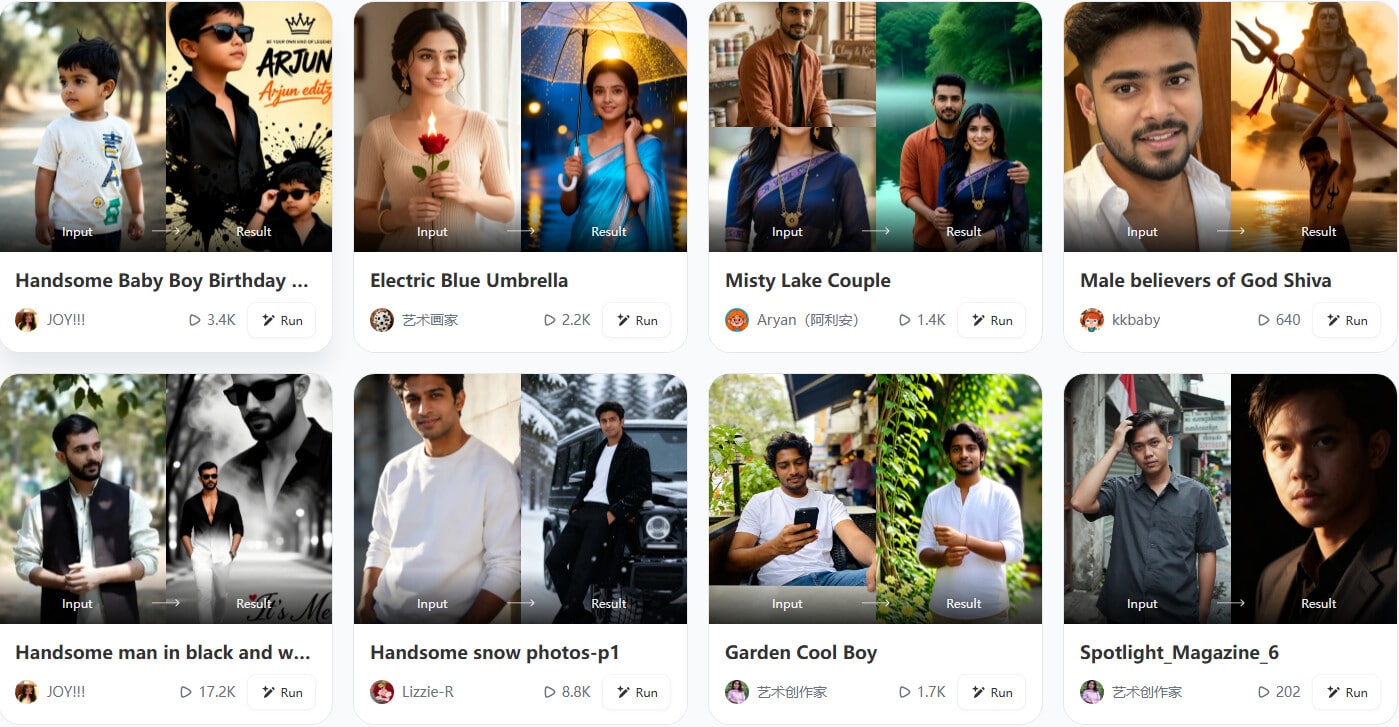
As AI visual creation continues to grow, different platforms are developing new approaches to image animation. Beatmo focuses on helping users transform images into engaging motion videos through AI-powered effects.
Instead of requiring users to understand complex animation techniques, Beatmo provides a simpler way to experiment with AI-generated movement and creative video content.
Creating AI Motion Videos From Images
Beatmo allows users to start with an image and explore different ways to add movement and animation.
The platform can be used for creating:
- Animated portraits
- Character-based videos
- Creative motion clips
- Shareable social content
The focus is on making image-based video creation more accessible, allowing users to explore different visual ideas without building animations manually.
How to Create a Video With Beatmo
Creating an AI-powered video with Beatmo follows a straightforward process.
Step 1: Upload an Image
Users begin by selecting an image they want to transform.
Clear images with recognizable subjects usually provide a stronger foundation for AI animation.
Step 2: Choose a Motion Style
After uploading the image, users can select a suitable animation direction or effect based on the type of video they want to create.
Different styles can produce different visual experiences, from expressive movements to more dynamic animations.
Step 3: Generate the Video
Beatmo processes the image and applies AI-generated motion effects to create a short video.
Users can review the result and explore different creative approaches.
Step 4: Share the Creation
The completed video can be used for:
- Social media posts
- Personal projects
- Creative experiments
- Digital storytelling
Through a simplified workflow, Beatmo helps users focus more on creative ideas and less on technical production. Other AI-powered creative platforms, such as Heyo, also explore ways to help users transform images into engaging video content through AI-driven visual effects.
Frequently Asked Questions About AI Photo to Video Generators
Can AI photo-to-video generators create videos from any type of image?
AI photo-to-video tools can work with many types of images, including portraits, illustrations, product photos, and creative artwork. However, the final result depends on factors such as image clarity, composition, and the type of movement being generated.
Images with clear subjects and well-defined details usually provide more consistent results, while complex scenes may require additional creative adjustments.
How much creative control do users have over AI-generated photo videos?
The level of control depends on the AI platform. Some tools focus on automatic generation, while others provide options for selecting motion styles, visual effects, or creative directions.
Users still influence the final result through:
- Image selection
- Style choices
- Creative concepts
- Editing decisions
The strongest results usually come from combining AI automation with human creativity.
Are AI-generated photo videos unique, or can they look similar?
Because many AI tools use similar generation approaches, some results may share common visual patterns, especially when popular effects or templates are used.
Creators can make their videos more distinctive by combining:
- Original images
- Personal creative direction
- Different visual styles
- Unique storytelling ideas
AI provides the technology, but the creative concept shapes the final result.
How AI Photo to Video Generators Are Reshaping the Future of Content Creation
The growth of AI photo-to-video technology reflects a broader change in digital creativity. Instead of every video beginning with new footage, existing images can now become the starting point for new visual experiences.
Making Creative Work More Flexible
Traditional video production often requires recording, editing, and post-production. AI-powered tools introduce a different approach by allowing creators to build new content from existing visual materials.
A single image can support multiple creative directions:
- A portrait can become an animated visual story.
- A product image can become a promotional concept.
- An illustration can become a moving scene.
This flexibility allows creators to experiment more freely.
AI as a Creative Partner
The future of AI-generated content is not about replacing human imagination. Instead, AI is becoming a creative partner that helps people explore ideas faster.
The most effective results come from combining:
- Human creativity
- Personal vision
- AI-assisted production
Creators still decide the message, emotion, and purpose behind each project. AI expands the possibilities available to them.
AI photo-to-video generators are changing the role of images in digital storytelling. A photograph is no longer only a frozen moment—it can become the beginning of a moving experience.
As platforms like Beatmo continue making AI-powered motion creation more accessible, the future of visual content is becoming more flexible, creative, and open to a wider range of users.