


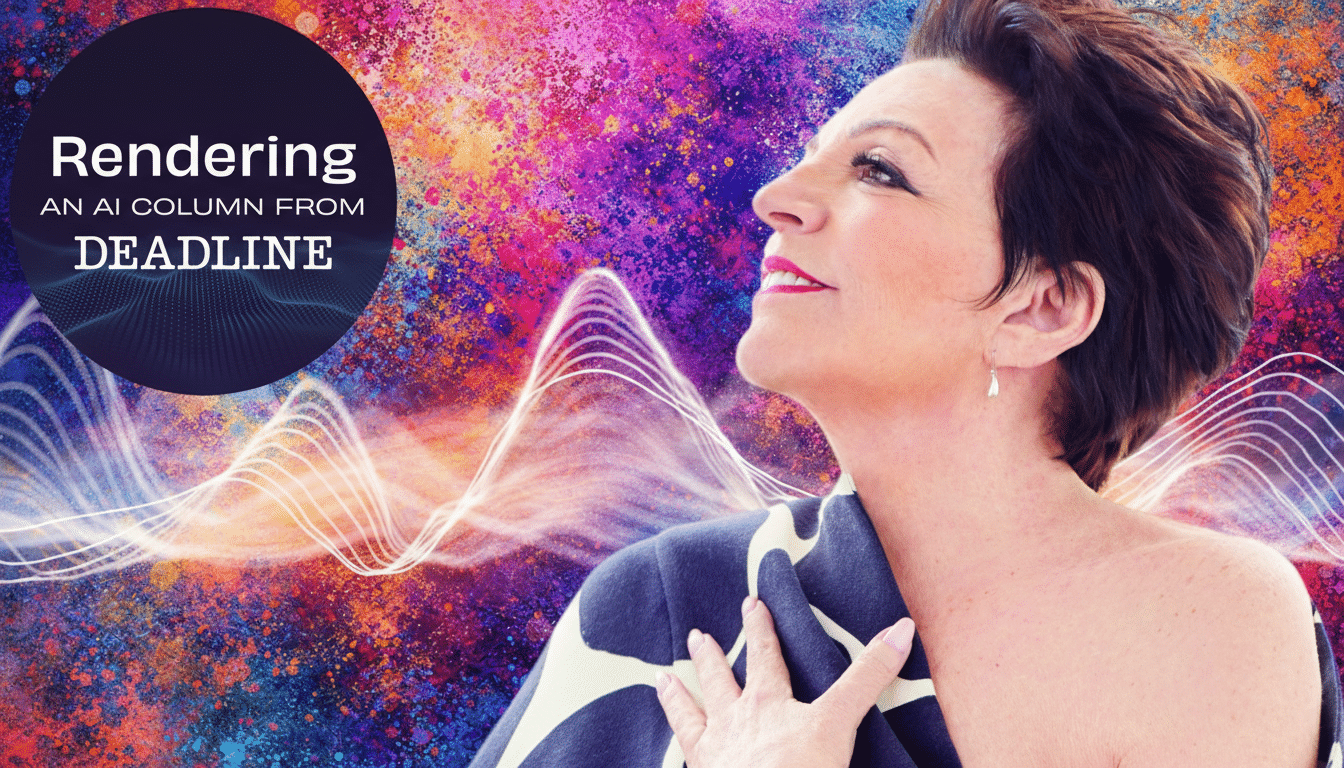
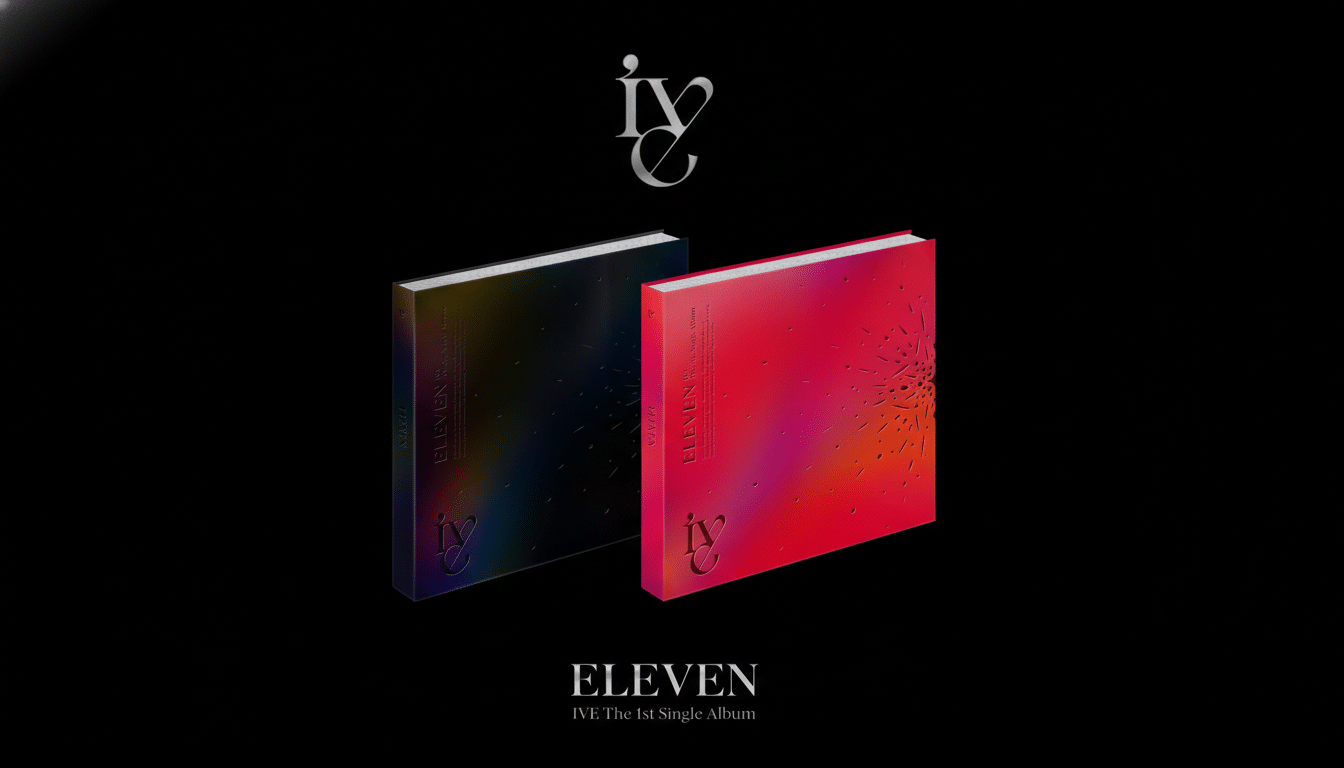
ElevenLabs has unveiled Eleven Album, a promotional release for its new AI music generator that spotlights a digitally recreated Liza Minnelli alongside contributors including Art Garfunkel, KondZilla, Kai.wav, and composer Demitri Lerios. Framed as a showcase for what the company calls “creative possibilities,” the project places an AI Minnelli at center stage with a track titled “Kids Wait ’Til You Hear This,” now streaming on major platforms.
What Eleven Album Is Trying To Prove About AI Music
Rather than a traditional artist album, Eleven Album functions as a proof-of-concept for Eleven Music, the company’s text-to-music system launched late last year. The track list hops genres—from EDM and Brazilian funk to cinematic instrumentals—to demonstrate breadth. The Minnelli-branded song leans into festival-ready dance motifs, a stylistic swerve from the Broadway-inflected repertoire that made her an EGOT icon. That contrast is deliberate: the company is trying to show that a licensed voice model can inhabit styles far from a performer’s historical catalog.
Other cuts illustrate the same thesis with mixed results. “Uno, Dos, Tres” and “She Got That Fire” channel familiar club tropes, while Lerios’s instrumental could pass for a studio score cue to most listeners. It’s a snapshot of where AI-generated music stands today: often derivative at the edges, occasionally convincing in production polish, and unmistakably designed to highlight the tool as much as the songs.
How The Minnelli Voice Was Licensed And Controlled
The Minnelli performance is built through the Iconic Voices Marketplace, ElevenLabs’ program that lets rightsholders license vocal likenesses for editorial and commercial projects. The company positions the marketplace as opt-in and consent-based, with usage terms and revenue sharing agreed in advance. In a company blog post, Minnelli emphasized that the appeal lay in using her voice with new tools while preserving the artist’s control and ownership—an important signal as legacy estates and living performers weigh how far to embrace synthetic performance.
This approach attempts to draw a bright line between authorized voice models and the wave of unlicensed AI impersonations that have roiled the industry. The distinction matters: licensing creates a paper trail and revenue channel, while unsanctioned clones risk violating publicity rights, trademarks, or sound recording copyrights, depending on jurisdiction.
Copyright And Platform Pressure Around AI Music Use
The rollout lands amid growing legal and policy activity around AI music. The Recording Industry Association of America filed lawsuits in federal court against AI music startups Suno and Udio, arguing their systems were trained on copyrighted sound recordings without authorization. The U.S. Copyright Office is conducting a multiyear study on generative AI and has signaled that transparency and provenance are priorities in forthcoming guidance. In Europe, lawmakers are advancing rules that would require model developers to disclose training data sources.
Platforms are also reacting. Spotify previously removed high-profile AI sound-alikes that mimicked superstar artists without permission, and major labels have pushed for content labeling and source attribution. With streaming accounting for the majority of recorded-music revenue globally, according to IFPI’s Global Music Report, the stakes are commercial as much as cultural: a surge of synthetic tracks can affect discovery, payouts, and trust.
The Sound Versus The System In AI-Generated Music
On the creative side, Eleven Album underscores a tension. Generative systems are adept at reproducing genre markers—riser builds, four-on-the-floor kicks, glossy toplines—but can flatten the idiosyncrasies that define a performer’s legacy. An AI Minnelli delivering a festival banger may demonstrate technical range, yet it also raises the question of whether “range” is the point, or if audiences want continuity with a star’s persona. For some listeners, that disconnect reads as novelty; for others, it is a breach of taste.
Still, sanctioned voice models unlock pragmatic use cases. Localized covers, archival restorations, or soundtrack demos could be produced faster and more affordably with licensed likenesses. Broadcasters are already experimenting with AI dubbing to expand reach without swapping out narrators. If rights and disclosures are clear, the technology can extend a catalog rather than cannibalize it.
What To Watch Next As Licensed AI Voices Hit Streaming
For Eleven Album, the signal will be less about critical acclaim than adoption: do creators license these voice models for real projects, and do streaming audiences return to these tracks beyond initial curiosity? Watch for clearer labeling on platforms, standardized contracts for voice rights, and provenance metadata that travels with audio files. If those pieces solidify, AI-led compilations may shift from marketing stunts to viable production pipelines.
For now, ElevenLabs has achieved what it set out to do: get the industry talking. By putting an AI Liza Minnelli front and center—and backing it with a consent-based licensing framework—the company is testing whether nostalgia, novelty, and negotiated rights can coexist in the same playlist.