


“AI earbuds” are everywhere in pitch decks, yet scarce in practice. Most models labeled as smart still lean on your phone and the cloud for anything beyond play and pause. If this category is going to earn a place in my pocket, it needs three concrete upgrades that move earbuds from accessory to autonomous companion.
Industry chatter has even hinted that major AI labs are exploring earbud hardware, but hype will not fix fundamentals. The next generation must deliver real on-device intelligence, integrated Wi‑Fi for independence, and smarter noise reduction that understands context. Here’s why those are the deal-breakers.
- The Gap Between Hype And Reality in AI Earbuds Today
- Upgrade 1 On-Device Intelligence That Actually Works
- Upgrade 2 Integrated Wi‑Fi For True Independence
- Upgrade 3 Smarter Safety‑First Noise Reduction
- What It Takes To Ship This Next Wave of AI Earbuds
- Bottom Line On AI Earbuds And The Three Required Upgrades
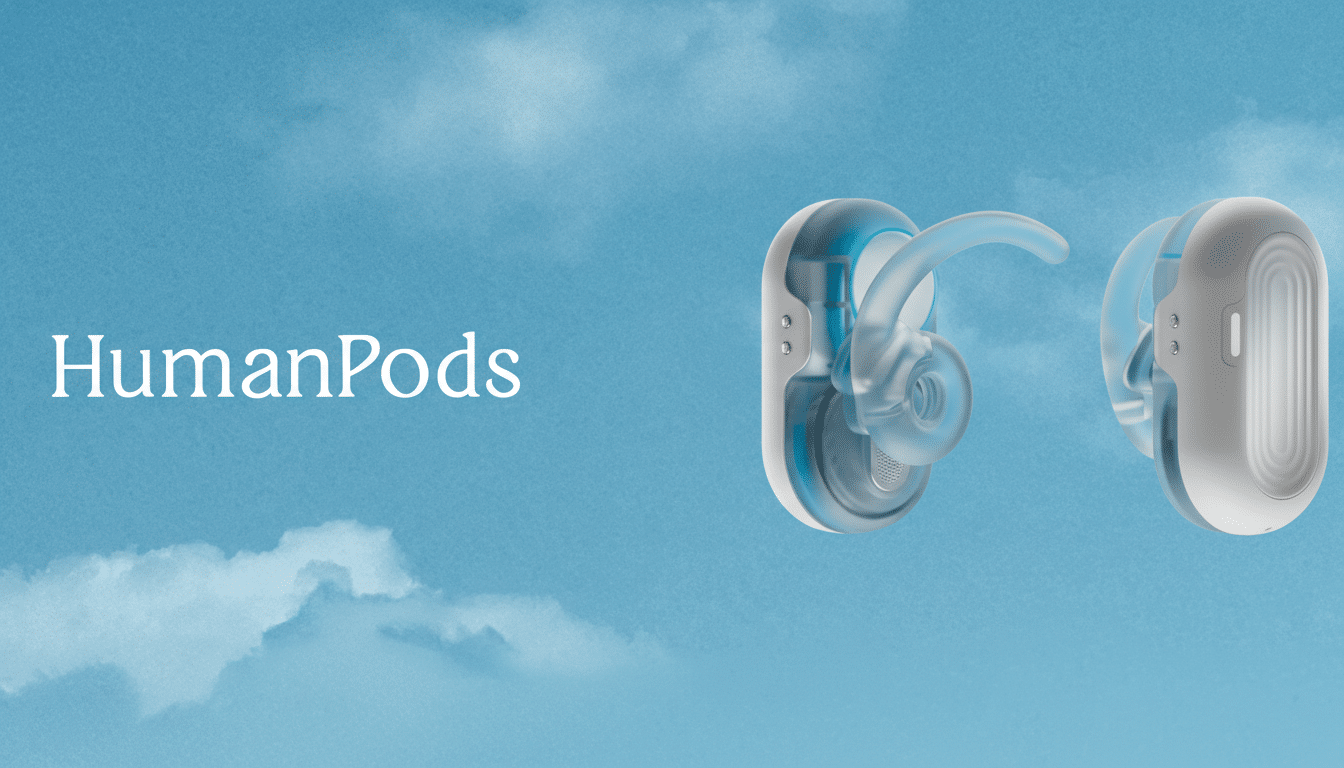
The Gap Between Hype And Reality in AI Earbuds Today
Today’s “AI” features largely amount to cloud relays: your earbuds capture audio, your phone uploads it, a server thinks, and the answer streams back. That loop introduces latency, privacy concerns, and a hard dependency on another device. It’s the opposite of ambient computing.
There’s clearly demand for smarter audio. IDC continues to rank hearables as the largest slice of wearables, often near two-thirds of shipments globally, and voice is still the most natural interface when your hands are busy. But usefulness stalls when the product cannot act locally or function away from your phone.
Upgrade 1 On-Device Intelligence That Actually Works
Truly useful AI should live where the audio originates. That means wake word detection, command parsing, summarization, and short-form translation running on the buds themselves, not round-tripping to your phone. Sub‑50 ms response for simple tasks is the bar; cloud detours routinely add hundreds of milliseconds and jitter.
The silicon is getting there. Apple’s H2 chip already powers advanced ANC and Adaptive Transparency locally. Qualcomm’s S7 and S7 Pro audio platforms tout low-power AI engines, and vendors like Airoha are integrating NPUs into Bluetooth SoCs. The missing piece is product teams shipping compact models measured in megabytes, not gigabytes, optimized for tens of milliwatts—think intent classification, diarization, and limited-vocabulary translation on-device, with the cloud only for heavy lifting.
Local processing is also a privacy win. Keeping raw voice and surroundings out of a data center reduces exposure under regimes like GDPR and aligns with the broader industry shift toward edge AI seen in recent phone and PC launches.
Upgrade 2 Integrated Wi‑Fi For True Independence
Bluetooth LE Audio is great for power efficiency and Auracast broadcasting, but it is still a tether. Integrated Wi‑Fi—engineered for micro-power use—would let earbuds fetch maps, messages, and model updates directly when a phone is not around.
This is no small feat. Earbud cells are tiny—often 40 to 60 mAh—and traditional Wi‑Fi can burn through that fast. But the path exists. Qualcomm has demonstrated micro‑power Wi‑Fi links to extend range and bandwidth, and Wi‑Fi 6 features like Target Wake Time allow radios to sleep aggressively between bursts. A smart stack could opportunistically use Bluetooth for control, Wi‑Fi for high-bandwidth or low-latency moments, and fall back gracefully when networks are noisy.
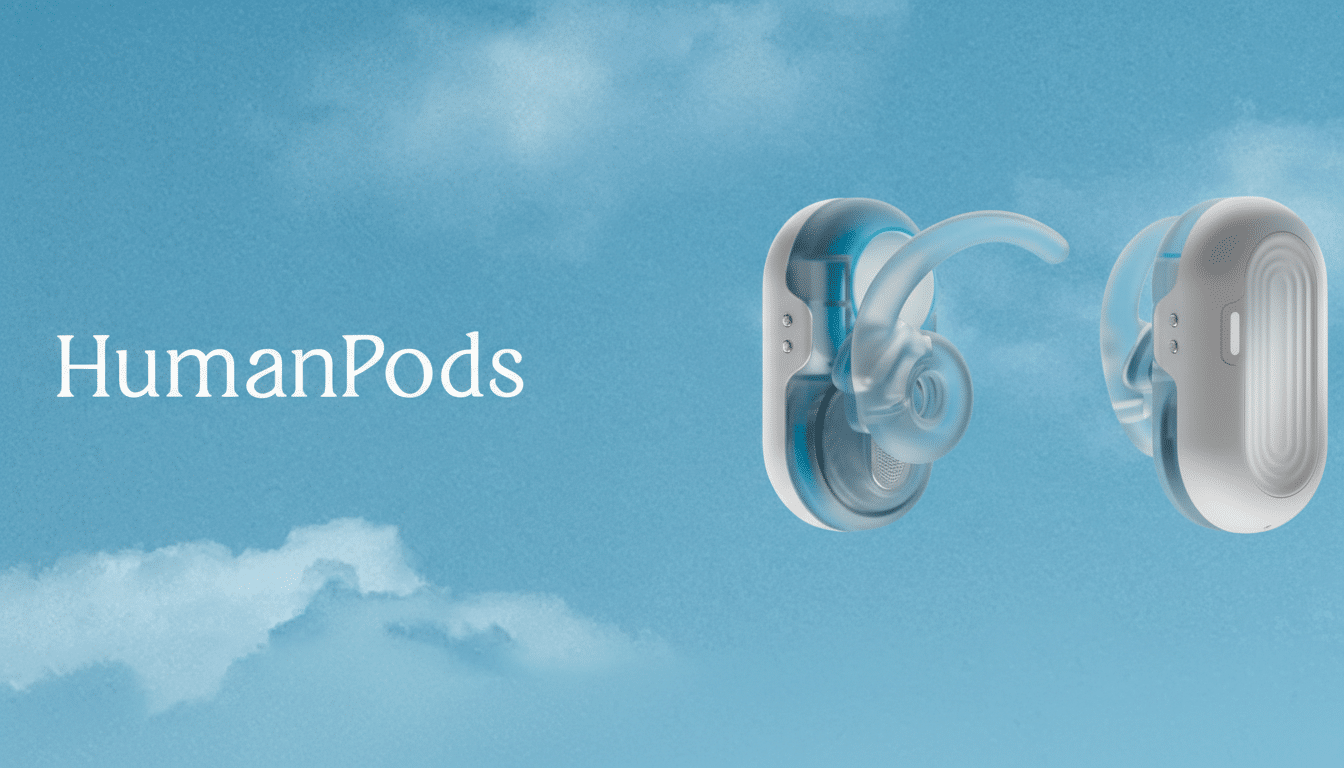
Wi‑Fi also weakens ecosystem lock‑in. Today, the best “AI” tricks are often fenced to a specific phone brand. Direct network access would let earbuds talk to multiple assistants and apps, making the purchase about capability, not allegiance.
Upgrade 3 Smarter Safety‑First Noise Reduction
Active noise cancellation has matured, but “AI noise reduction” is still too generic. What we need is contextual listening: models that continually learn your environments and separate intent from background. Let the buds know the difference between the colleague calling your name and the conference room hum, or between traffic din and a crosswalk chirp.
There are promising cues. Apple’s Adaptive Transparency identifies high-impact sounds like sirens while damping the rest. Sony and Bose apply machine learning to refine voice pickup and ambient control. Academic work from groups like Google Research on neural codecs and source separation shows how compact models can run at the edge. The next leap is personal adaptation: a per-user profile that improves over time and prioritizes safety signals automatically.
Metrics should reflect real life, not lab tones—time to intelligibility for speech in a café, false-negative rates on emergency cues, and fatigue from over-aggressive gating. Publish those numbers the way camera teams publish low-light scores.
What It Takes To Ship This Next Wave of AI Earbuds
Vendors will need a converged approach: low-leakage silicon with tiny NPUs, firmware that smartly schedules workloads, and batteries with higher energy density. Partnerships matter—chipmakers, assistant platforms, and cloud providers should co-design the split between edge and cloud. Standards bodies like the Bluetooth SIG and the Wi‑Fi Alliance can accelerate power-aware profiles tailored for hearables.
Most importantly, be transparent. Commit to on-device by default, disclose when audio leaves the earbuds, and give users a kill switch. Trust is a feature, not a footnote.
Bottom Line On AI Earbuds And The Three Required Upgrades
Until earbuds deliver real on-device intelligence, integrated Wi‑Fi for independence, and context-aware noise reduction that puts safety first, I am not buying the “AI” label. Nail these three upgrades and you are no longer selling headphones—you are selling a wearable computer for the ear. That is a product worth lining up for.