


AI is no longer just for big companies with large budgets. Today, small businesses are also using AI to save time, cut costs, and grow faster. From chat tools to smart marketing and data tracking, AI can make daily work easier. Many owners worry about cost, data safety, and losing the human touch. So is AI a smart growth tool or a hidden risk? The answer depends on how it’s used.
In this blog, we’ll explore how small businesses can use AI wisely, where it adds value, and what risks to watch out for. This guide will help you decide if AI fits your business goals.
- The Current State of AI Adoption in Small Business
- Benefits of AI for Small Business: Documented Growth Opportunities
- Revenue Acceleration and Operational Efficiency
- Enhanced Customer Experience and Competitive Advantage
- Risks of AI in Small Business: The Hidden Dangers You Must Know
- Financial Risks and Data Security Vulnerabilities
- Operational Disruption and Dependency Issues
- Ethical and Regulatory Challenges
- Building Your Small Business AI Strategy: A Risk-Balanced Framework
- Final Thoughts on Your AI Journey
- Common Questions About AI in Small Business
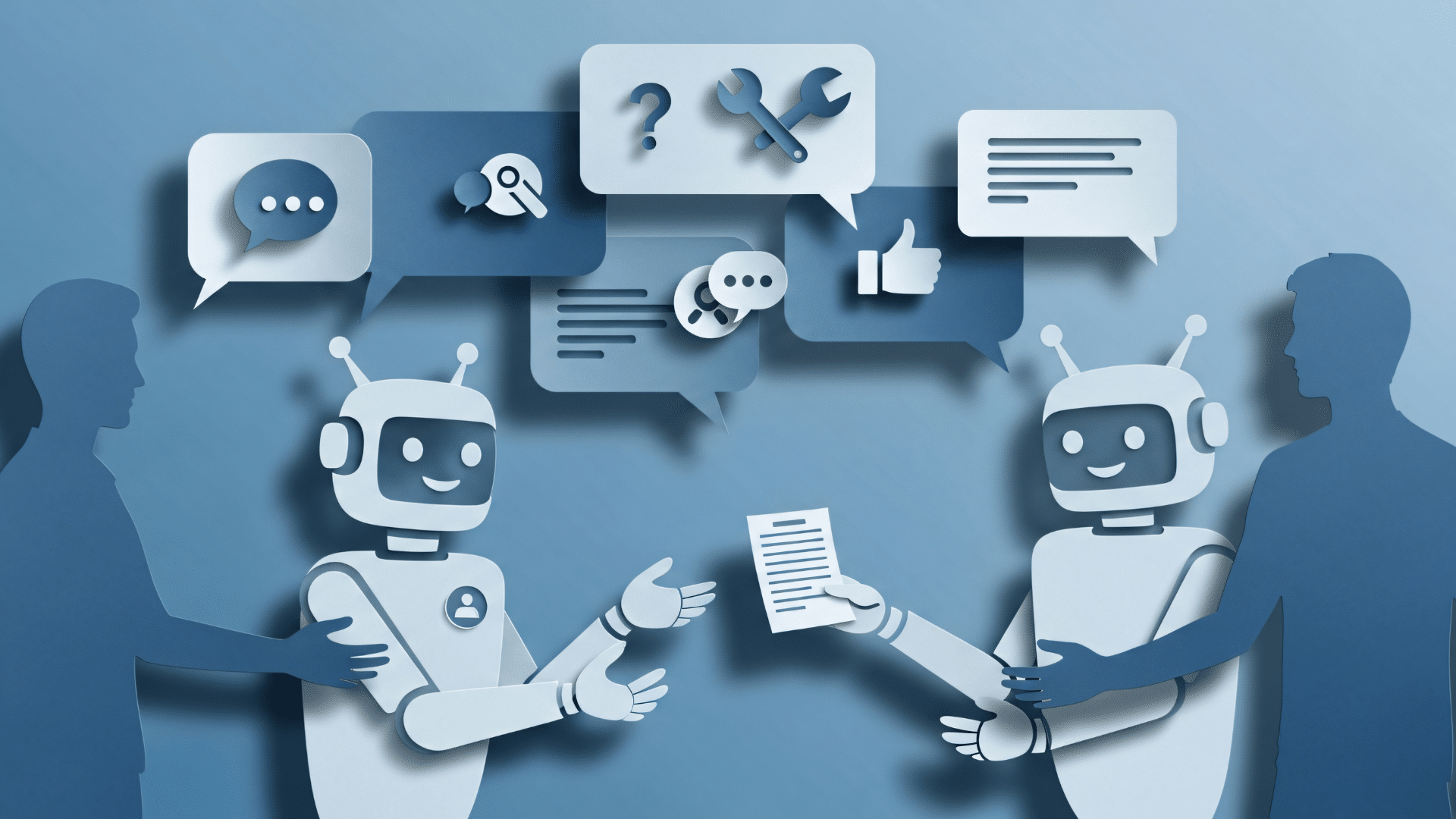
The Current State of AI Adoption in Small Business
Where do you stack up against other business owners? Understanding the landscape helps you make informed choices instead of blind leaps. The patterns emerging from recent data might surprise you.
The statistics are frankly stunning. Recent findings show that 98% of small businesses now leverage AI tools, a dramatic jump from just 40% in 2023. Yes, you read that correctly. We’ve gone from minority adoption to near-universal embrace in twelve short months. This explosion signals that AI for small business growth transitioned from “interesting experiment” to “business necessity” faster than anyone predicted.
AI adoption in small businesses is especially important to discuss in the context of the United States. The country spans vast geographic regions and diverse markets, creating unique operational challenges. It also has a highly competitive entrepreneurial landscape. U.S.-based small businesses often operate across state lines.
They rely on mobile workforces and serve customers who expect speed, personalization, and digital convenience. This environment makes AI both a powerful growth opportunity and a potential hidden risk. Some forward-thinking companies now provide team members with a usa esim to ensure rock-solid connectivity regardless of location, particularly vital when your cloud-based AI infrastructure demands stable internet to function properly.
Businesses across every size category are testing chatbots, automation workflows, and data analytics platforms. Your neighborhood retail store? Likely automating their appointment calendar. Cloud-based solutions demolished the technical barriers, you don’t need a computer science degree anymore.
Industry-Specific AI Adoption Patterns
Not every sector moves at the same pace, though. Retail and e-commerce businesses are sprinting ahead with personalization algorithms and pricing that adapts by the minute. Professional service firms have embraced AI for parsing documents and managing client interactions. Healthcare providers deploy intelligent scheduling, though they move cautiously given the regulatory minefield surrounding patient data.
Small manufacturing operations are turning to predictive maintenance, catching equipment problems before costly breakdowns occur. Remote-first teams increasingly depend on AI-enhanced collaboration platforms. For operations with scattered teams or global reach, connectivity becomes mission-critical.
The AI Technology Stack Small Businesses Are Choosing
Most business owners start small and practical. Customer service chatbots rank highest, fielding basic questions around the clock without human intervention. Marketing automation follows closely, crafting personalized email sequences that would crush any marketing team attempting it manually.
Financial tools powered by AI forecast cash patterns and alert you to suspicious activity. Inventory systems learn demand patterns, slashing waste. Collaboration platforms help teams work smarter without burning out. Notice the pattern? Successful adopters target specific headaches rather than attempting wholesale transformation overnight.
Benefits of AI for Small Business: Documented Growth Opportunities
AI’s advantages aren’t hypothetical anymore. Actual businesses report concrete improvements you can measure and bank on.
Revenue Acceleration and Operational Efficiency
Benefits of AI for small business materialize fast when you examine sales figures. Predictive analytics redirect your team toward promising leads instead of time-wasting prospects. Personalized customer experiences boost conversions by presenting exactly what people want to buy. Pricing adjusts dynamically as market conditions shift.
Operations transform too. Automation conquers the repetitive grunt work that historically consumed entire afternoons. Consider this: one accounting practice slashed invoice processing time by 60% using AI document recognition. Those recovered hours equal direct cost savings without touching headcount.
Enhanced Customer Experience and Competitive Advantage
Today’s customers demand instant gratification. AI-powered chatbots deliver round-the-clock support that would bankrupt you with human staffing. Hyper-personalization at scale makes every customer feel seen, even when you’re serving thousands simultaneously. Sentiment analysis monitors feedback streams, flagging brewing problems before they erupt into PR disasters.
This creates tangible competitive leverage. Small operations using AI suddenly match the customer service sophistication of corporate giants. Data replaces hunches, producing superior outcomes. Time-to-market shrinks when AI handles routine analysis, liberating your creative thinkers for genuine innovation.
Risks of AI in Small Business: The Hidden Dangers You Must Know
Every transformative technology carries shadows. Wise business owners acknowledge what could go sideways.
Financial Risks and Data Security Vulnerabilities
Initial costs can blindside unprepared owners. Subscription fees are just the beginning,factor in training hours and possible infrastructure upgrades. Vendor lock-in creates dependencies that become expensive prisons. Failed experiments burn cash that small businesses rarely have to spare.
Data security demands your serious attention. AI platforms frequently handle sensitive customer details. One breach could obliterate your reputation instantly. Third-party vendors might not safeguard your data with the paranoia you would. Regulatory compliance, think GDPR, CCPA, layers on complexity that catches many small operators off guard.
Operational Disruption and Dependency Issues
Implementation is messy. Expect workflow interruptions while teams climb the learning curve. Productivity typically dips before improving, a painful valley for lean operations running on thin margins. Legacy systems frequently clash with new AI tools, spawning integration nightmares.
Here’s a sobering fact: only 14% of Canadian small businesses rate themselves as highly efficient. That efficiency deficit fuels AI interest, sure, but it also means disruption hits harder. Excessive dependence creates fragility when systems crash or vendors fold. Human judgment can deteriorate when people stop thinking critically and blindly accept AI recommendations.
Ethical and Regulatory Challenges
Risks of AI in small business stretch beyond technical glitches. Algorithmic bias in hiring or customer interactions opens legal exposure. Transparency issues emerge when customers don’t realize they’re chatting with bots. Job displacement fears can trigger community backlash, even without actual layoffs.
Regulations evolve constantly. The EU AI Act and various state-level U.S. legislation impose requirements that shift by jurisdiction. Liability remains murky when AI errors cause harm. Industry-specific rules pile on additional complexity.
Building Your Small Business AI Strategy: A Risk-Balanced Framework
Success demands thoughtful planning, not just excitement. A robust small business AI strategy weighs opportunity against caution deliberately.
Pre-Adoption Assessment and Use Case Selection
Begin with brutal honesty about your readiness. Can your infrastructure handle it? Does your team possess fundamental digital literacy? Will your budget survive both triumph and disaster scenarios? These questions matter infinitely more than features.
Target high-impact, low-risk opportunities initially. Hunt for repetitive tasks consuming time without requiring human judgment. Quick victories build organizational confidence and deliver cheap lessons. One retailer wisely started with automated stock alerts before attempting AI pricing, intelligent sequencing that minimized exposure.
Vendor Selection and Change Management
Vet vendors exhaustively. Study reviews from businesses resembling yours. Demand transparent answers regarding data security and ownership rights. Negotiate escape clauses preventing devastating exit penalties. Run proof-of-concept trials before signing major commitments.
Team buy-in is non-negotiable. Enterprises lacking formal AI strategies report merely 37% adoption success, versus 80% for those with clear strategies. That gap screams the value of planning over winging it. Communicate changes early and transparently. Cultivate internal AI champions who support colleagues through transitions. Address fears head-on instead of pretending change doesn’t hurt.
Final Thoughts on Your AI Journey
The evidence speaks clearly: AI delivers genuine advantages for small businesses approaching it thoughtfully. Revenue expansion, operational streamlining, and competitive positioning all strengthen when AI implementation follows strategic principles. But charging ahead recklessly invites financial hemorrhaging, security catastrophes, and operational meltdowns.
The businesses winning with AI are those assessing risks honestly, launching manageable pilot projects, and accumulating expertise incrementally. Your competition is already in motion,the real question isn’t whether you’ll use AI, but whether you’ll deploy it skillfully enough to come out ahead.
Common Questions About AI in Small Business
- How will AI affect small businesses?
AI supercharges efficiency, reclaiming significant hours previously lost to routine tasks. It trims operational expenses and keeps you competitive amid economic turbulence and relentless inflation pressures. - What is the 30% rule for AI?
The 30% rule proposes AI should tackle approximately 30% of work,mainly repetitive or data-intensive tasks,while humans own the remaining 70% demanding creativity, nuanced judgment, ethical consideration, and strategic vision. This balance ensures AI enhances rather than replaces human intelligence.