


I wanted to love foldables. I spent half a decade living with clamshells and book-style devices, carrying them as daily drivers, swapping SIMs, and giving every new generation a fair shot. Today, I’m out. The wow factor never outweighed the cost, fragility, and compromises that kept creeping back into my routine once the honeymoon ended.
Why the Shine Wore Off: The Foldable Novelty Faded
Like many early adopters, I started with clamshells for the pocketability and nostalgia. They drew attention in the best way, and for a while that felt like enough. But when the novelty faded, I realized I was unfolding constantly just to get a full experience. Cover displays improved year by year, yet I still jumped inside for messaging, maps, and photos—exactly the friction I was hoping to reduce.
- Why the Shine Wore Off: The Foldable Novelty Faded
- The Durability Math Never Worked in Everyday Use
- The Tablet That Wasn’t: Big Screen, Small Payoff
- The Everyday Ergonomics Problem That Adds Up Over Time
- The Market Is Growing, But Foldables Are Still Niche
- What Would Bring Me Back to Foldables at Flagship Prices
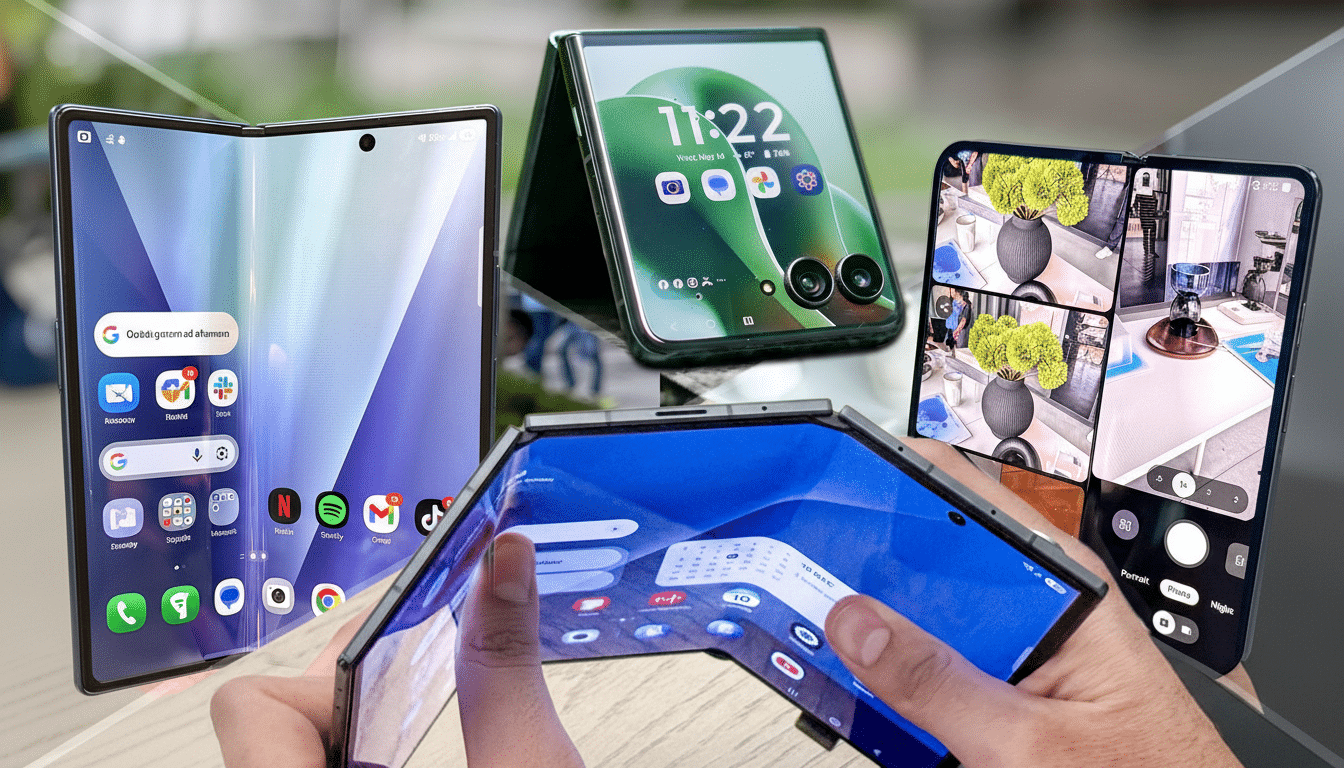
Book-style foldables looked like the answer. Unfolded, the multitasking felt meaningful; two apps side by side, split-screen notes during calls, and a compact tablet for flights. But the longer I used one, the more I reached for a regular phone on quick errands and a real tablet for focused work. The middle ground—so compelling on day one—started to feel like neither here nor there.
The Durability Math Never Worked in Everyday Use
Manufacturers commonly claim hinge systems are tested for around 200,000 folds, which pencils out to roughly five years at 100 opens a day. Lab numbers are reassuring, but real life isn’t a robot arm. Once grit, temperature swings, and the occasional drop enter the chat, the odds shift. Hinges and ultra-thin inner displays are simply more vulnerable than a slab’s single pane of glass.
Even as water resistance improved (often IPX8), dust ingress remains the menace. That’s physics, not pessimism. Cases help, but most are bulky or fiddly, and you can’t slap on standard tempered glass for the inner screen. When things do go wrong, manufacturer repair portals tell the story: inner screen assemblies for book-style foldables typically run well above $500 out of warranty, and clamshell inner displays often hover in the $300–$400 range. Independent teardowns from outfits like iFixit have also highlighted how adhesives and layered assemblies raise repair complexity.
The Tablet That Wasn’t: Big Screen, Small Payoff
My biggest surprise was how quickly the unfolded screen stopped feeling big. Seven-to-eight inches sounds generous until you compare working space to a modern 10–11 inch tablet. Text reflows oddly, some tablet-optimized apps still letterbox, and the crease adds a subtle tactile reminder you’re on a compromise device. Pen input can be great, but palm rejection and accessory ecosystems vary widely, and you’re still dealing with a compact canvas.
Meanwhile, a thin, midrange tablet weighs about 400g and gives you true desktop-class split-screen with room to breathe. That’s where I ended up: a conventional phone for always-on tasks, a light tablet or laptop for deep work, and none of the trade-offs in between.
The Everyday Ergonomics Problem That Adds Up Over Time
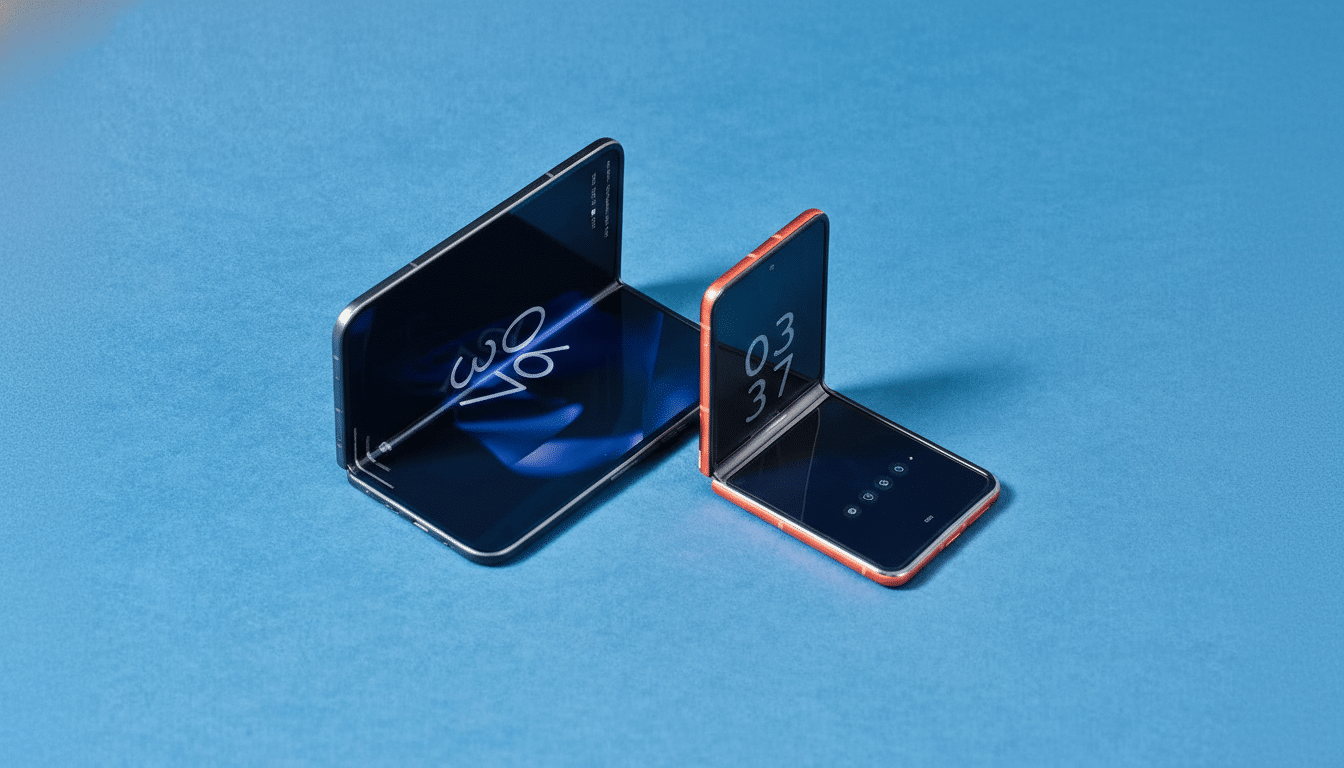
Book-style foldables cross 250g and fold to roughly 13–15mm thick. That matters on a long day. The front display on many models is tall and narrow, which complicates typing and camera framing. Battery life is fine, not fantastic—driving a larger inner panel and two distinct display systems isn’t free. Cameras have improved, but packaging constraints often keep them a half-step behind the best slab flagships in sensor size or optics.
None of these alone is a deal-breaker. Together, they nudge you to carry a second device “just in case.” Once you’re doing that, the foldable’s core promise—one device to rule them all—unravels.
The Market Is Growing, But Foldables Are Still Niche
Analysts at Counterpoint Research and IDC have tracked steady foldable growth, with shipments in the mid-teens of millions in 2023 and a rising trajectory. That’s impressive momentum, but it’s still roughly 1–2% of the smartphone market. Early adopters are engaged, and manufacturers are iterating quickly, yet the mainstream hasn’t fully followed—likely for the same reasons I’m bowing out: price, durability anxiety, and trade-offs versus a great slab.
What Would Bring Me Back to Foldables at Flagship Prices
I’m not anti-foldable. I’m anti-compromise at flagship prices. To win me back, I’d need real dust protection, thinner and lighter hardware, a cover screen with “normal” proportions, and repair costs that don’t induce heartburn. A larger unfolded canvas without bulk, better inner-screen protection, and stronger long-term parts and software support would help too. Tri-fold concepts look intriguing, but more hinges mean more risk unless engineering leaps forward.
For now, the simplest setup wins. A reliable slab phone, a good tablet, and a laptop cover every scenario with fewer worries and lower lifetime cost. I’ll keep watching the space—foldables are advancing fast—but after five years of trying to love them, I’m stepping off the ride until the trade-offs shrink and the value grows.