


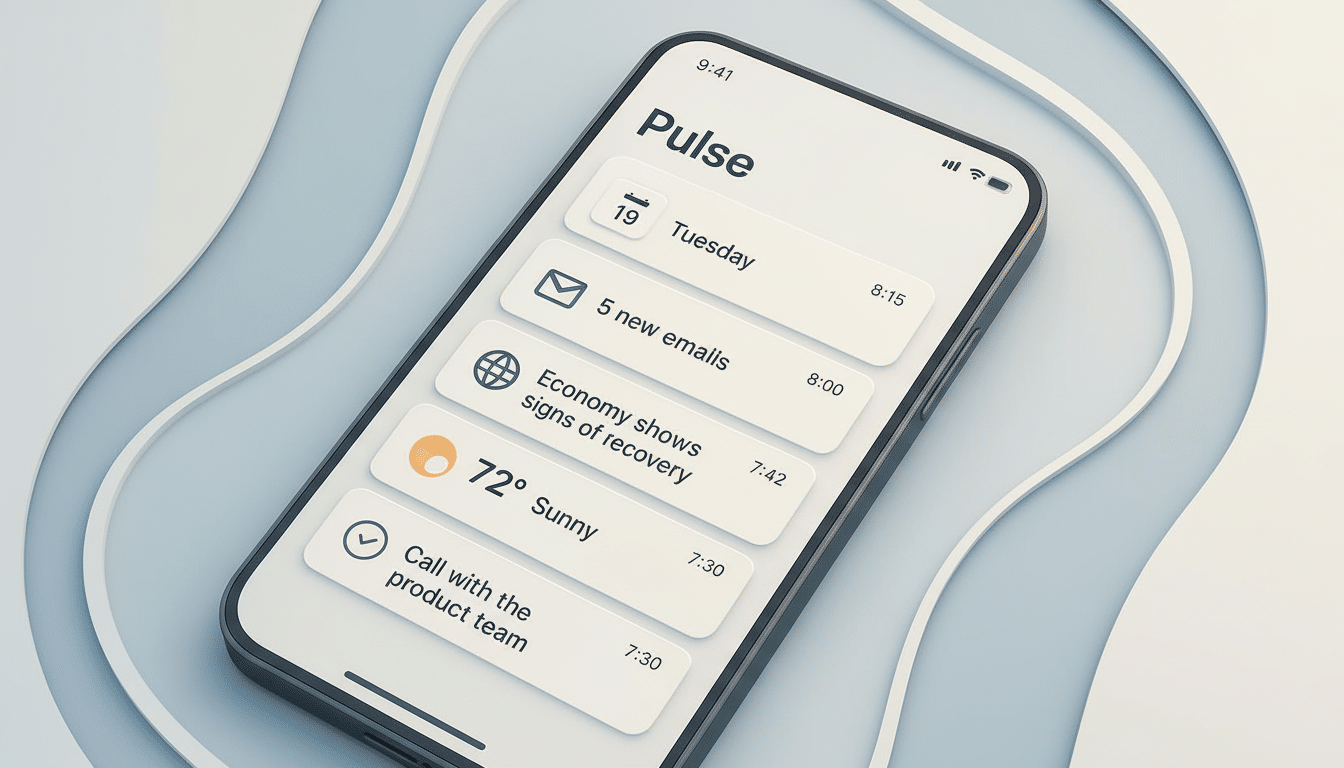
ChatGPT Pulse upends the traditional chatbot dynamic. Instead of waiting for you to tell it what you want, it comes overnight with a personalized morning briefing that makes getting up worthwhile. Based on your past conversations, saved preferences, and linked apps, Pulse is set to pull all the most important threads from your digital life into a fast-paced, actionable summary.
OpenAI is releasing the product in preview today on mobile to paying customers, hoping it moves the world one step closer toward truly proactive assistance — an AI that doesn’t just answer questions, but asks them too.
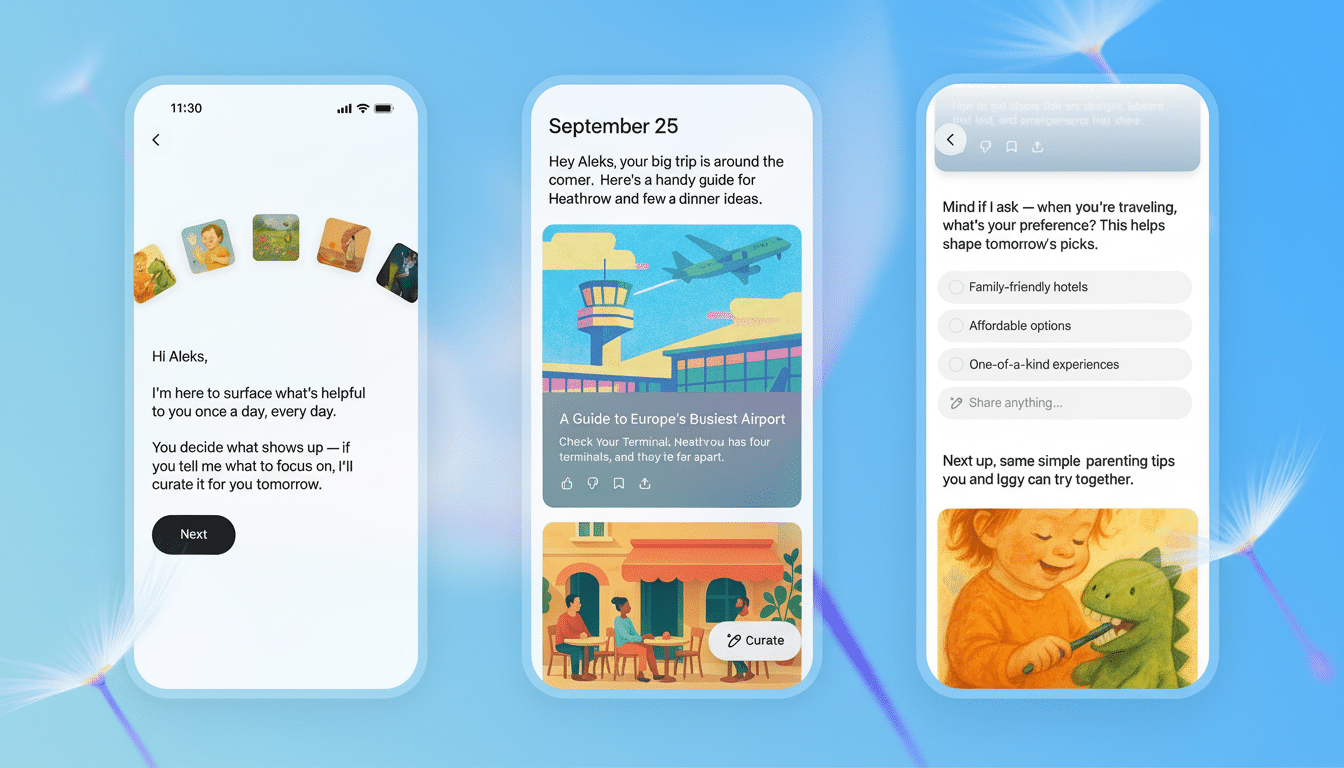
Early testers say it feels less like a chat and more like a daily command center.
How Pulse Builds Your Briefing Automatically Overnight
Every night, Pulse scrapes your recent chat history, saved memories, explicit feedback you’ve given the assistant, and any permissions you have granted for third-party services like Google Calendar or Gmail. It then synthesizes that context into topical cards — concise, visual summaries you can quickly skim or tap through to learn more details.
The engine powering Pulse acts more like a researcher than a point-blank summarizer. It prioritizes what you’ve demonstrated matters to you, cross-references it against your schedule, and suggests relevant ideas as the day unfolds. When you refine a card — let’s say by muting a topic or asking for greater depth to be included as a bullet in that section of the briefing — those signals are how we train what tomorrow’s briefing looks like.
What Your Personalized Pulse Update Can Include
Pulse seeks to combine personal goals with practical to-dos and moving interests into an all-in-one morning snapshot. If you’ve been chattering about nutrition, you may receive dinner suggestions tailored to your eating habits. If you are preparing for a race, you might see the workout plan tailored to your schedule and recovery days.
Connect Gmail or Google Calendar, and the briefing can surface prompts to the assistant like drafting a meeting agenda; reminding you to buy a colleague a birthday gift; or identifying restaurants close by for an upcoming event. OpenAI examples also use trip-planning nudges and topic roundups from places you chat in or have upvoted.
Field trials of the real-world variety suggest just how much depends on the context. In another, a student considering taking time off during a grant period abroad got a clear checklist of what to do. Another returning tester was met by a card that explained what had changed around town, smoothing the transition back to being a student.
Controls, privacy, and safety for managing your Pulse
Pulse is opt-in and generated by settings that you control. You get to pick which memories are saved, which apps are connected, and what should go in your daily briefing. Any update is only temporary for the day unless you save it or replay the conversation, in which case, it is saved in your permanent history.
OpenAI says topics get run through safety systems to mitigate harmful and unsafe content. No automated system is infallible, but the company’s approach reflects what enterprise purchasers are increasingly seeking: clear permissions, predictable data movements, and the ability to toggle features on or off at the user level.
Availability, pricing, and roadmap for the Pulse rollout
The feature is currently in preview for mobile users, offering advanced features via the Pro tier ($200 a month).
OpenAI notes that more people will eventually have access, though Plus users won’t get it until after the trial.
The roadmap promises increased integration, deeper functionality, and updates throughout the day: context-aware nudges before meetings, on-the-fly travel scheduling, progress toward long-term goals. OpenAI presents this as a transition from reactive chatbots to assistants that are able to plan and can do something useful when bidden.
Why proactive AI matters for daily personalized briefings
Morning briefings aren’t new — executives have depended on overnight digests from research desks, market terminals, and newsrooms for years. The point here is personalization at scale. Pulse doesn’t just tell you the news, but rather what it means for you and others in your network, by turning generic titles into actionable next steps.
Background: Analysts who study workplace trends have repeatedly observed that knowledge workers spend much of their time collecting, categorizing, and condensing data. Studies like Microsoft’s Work Trend Index reflect pent-up demand for tools that prioritize, draft, and summarize so people can turn their attention to the decisions demanding higher value. Pulse is that model, packing an AI’s reading research into something you can actually do during the morning.
Like any young assistant, there will be hiccups — irrelevant suggestions, uncomprehending context. Yet the feedback loop is the point: The more you steer it, the better tomorrow’s briefing will be. If OpenAI can maintain clarity on privacy controls and utility, Pulse pushes everyday AI from novelty to necessity.