


According to data from the Centers for Disease Control, more than 270,000 Americans were diagnosed with breast cancer in 2021. In 2022, it was reported that more than 40,000 women in the United States died from breast cancer.
Treatment for breast cancer often involves the removal of at least one breast as a means to target cancer cells and prevent their spread. However, most women choose not to have their breasts reconstructed after these procedures. Recent data shows that only 40 percent of women in the US who undergo a mastectomy choose to have breast reconstruction.
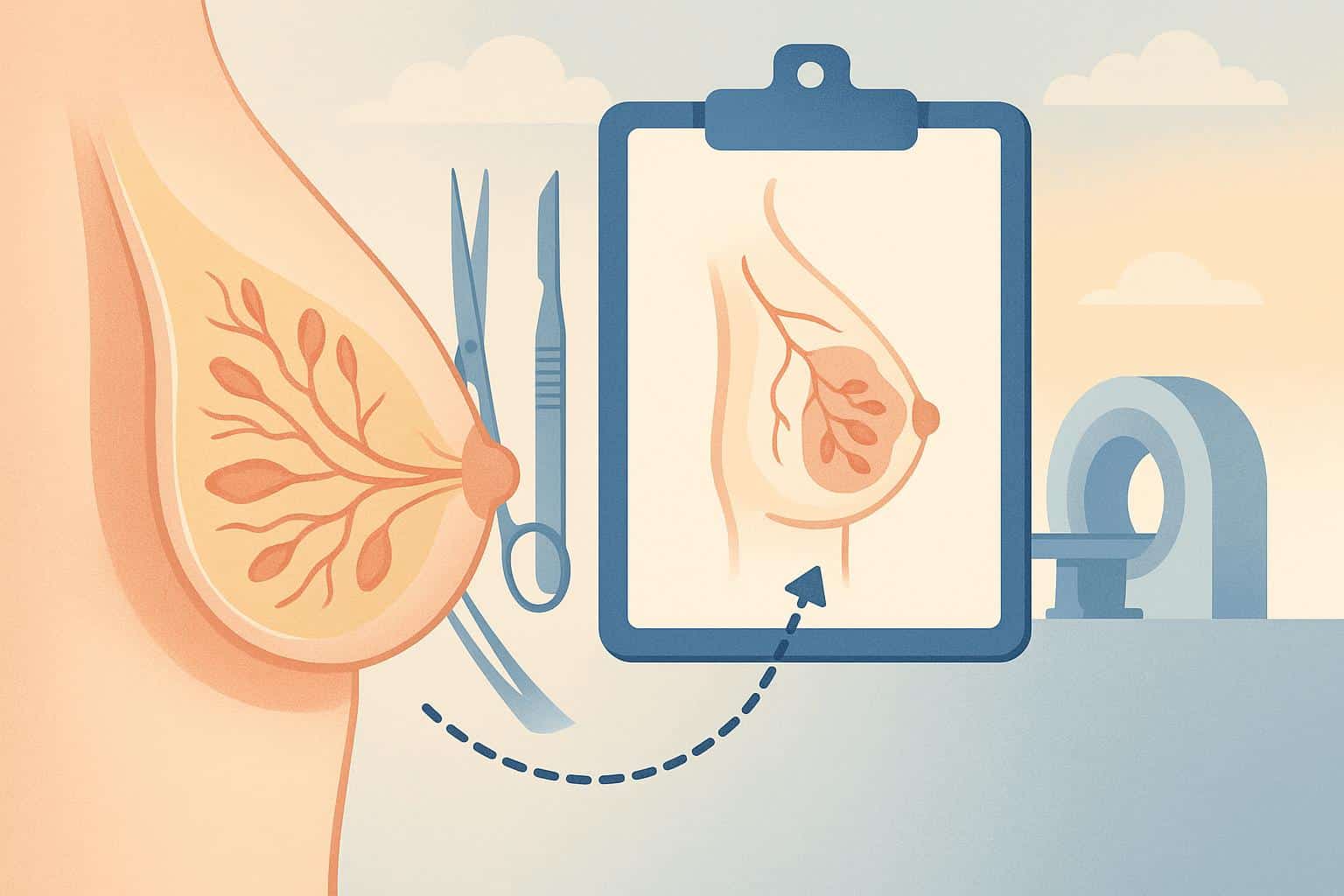
There are various reasons for this.
For most women, the idea of having a foreign object in their body puts them off the surgery. A new emerging technology seeks to change that. Using 3D-printed breast implants that are fully degradable, several startups in the UK are looking to change the status quo by giving women the benefits of a breast reconstruction procedure without the usual complications.
Current Breast Reconstruction Trends
Currently, there are two main types of breast reconstruction procedures: silicone implants and flap surgery.
Silicone Implants
Silicone implants are the most popular choice breast reconstruction procedure for many women in the United States. For one, Silicone has a better ability to mimic the natural look and feel of breast tissue, at least when compared to saline implants. As trends shift, more women prefer more natural-looking results, which silicone implants can effectively support.
However, this procedure comes with its risks.
There are reports of silicone implants rupturing without symptoms, otherwise known as silent rupture. For this reason, the FDA recommends regular monitoring with MRI or ultrasound to detect. Silicone implants also come with a risk of capsular contracture, an issue with scar tissue forming around the implant, implant movement, and infection.
Flap Surgery
Many surgeons recommend breast reconstruction using flap surgery because, while the procedure involves a lot more invasive surgery, the results last longer compared to silicone implants.
A flap procedure is designed to restore shape to your breast after mastectomy by removing a section from your stomach and relocating it to create a new breast mound. Being a highly surgical procedure, flap surgery also has its fair share of risks:
- Infection
- Changes in breast sensation
- Fluid collection
- Bleeding
- Tissue death
- Loss of sensation at the donor tissue site
- Poor wound healing
So, while it may have better results, flap surgery requires a knowledgeable, communicative surgeon to best anticipate and address potential issues.
The New Solution
With the complications and risks that come with current breast reconstruction procedures, several startups in the UK are working on technologies that could offer one simple surgical procedure without the risks of having a foreign object in the body.
One startup, Healshape, uses a hydrogel to 3D-print a soft implant that will be colonized by a person’s fat cells. The implant is designed to disappear after six to nine months. Lattice Medical, another UK startup, is developing a 3D-printed cage made of a degradable biopolymer to encase a small flap from underneath the breast.
The flap then grows to fill the cage with fat cells, and the cage is absorbed by the body, leaving a fully regrown breast in place. This technology has been shown to work in humans before. However, the trial, which was conducted in 2016, only worked in one of five women, and the cages were not biodegradable.
The Risk
One of the biggest question marks with these procedures is how much feeling the regrown breasts will have. Recent research alludes that the implants, despite being biodegradable, have a negative feeling on sensation. In fact, some surgeons report that sensation is potentially lower than when the patients only have a mastectomy.
“Right now, we don’t know if this technology will lead to new procedures, but it’s an exciting development in our field,” says Sacha Obaid, M.D. of North Texas Plastic Surgery. “If it’s available to you, be sure to communicate with your doctors, ensure you follow all of their instructions, and educate yourself about whether or not this procedure may be right for you.”