


Viewers tuning into A Knight of the Seven Kingdoms will notice a stark absence in Westeros’ skies. No roaring flyovers. No firelit battlefields. And that’s exactly the point. The prequel centers on a chapter of Westerosi history when dragons were already gone — not sidelined by budget, but erased by bloodshed and time.
The Timeline Explains The Silence Overhead
The series adapts George R.R. Martin’s Dunk and Egg tales and is set in 209 AC (After Aegon’s Conquest). By then, more than five decades have passed since the death of the last living dragon. In The Hedge Knight, the in-world source behind the show, a veteran knight recalls seeing that final, feeble creature in King’s Landing — “small and stunted, her wings withered” — a year before it died in 153 AC.
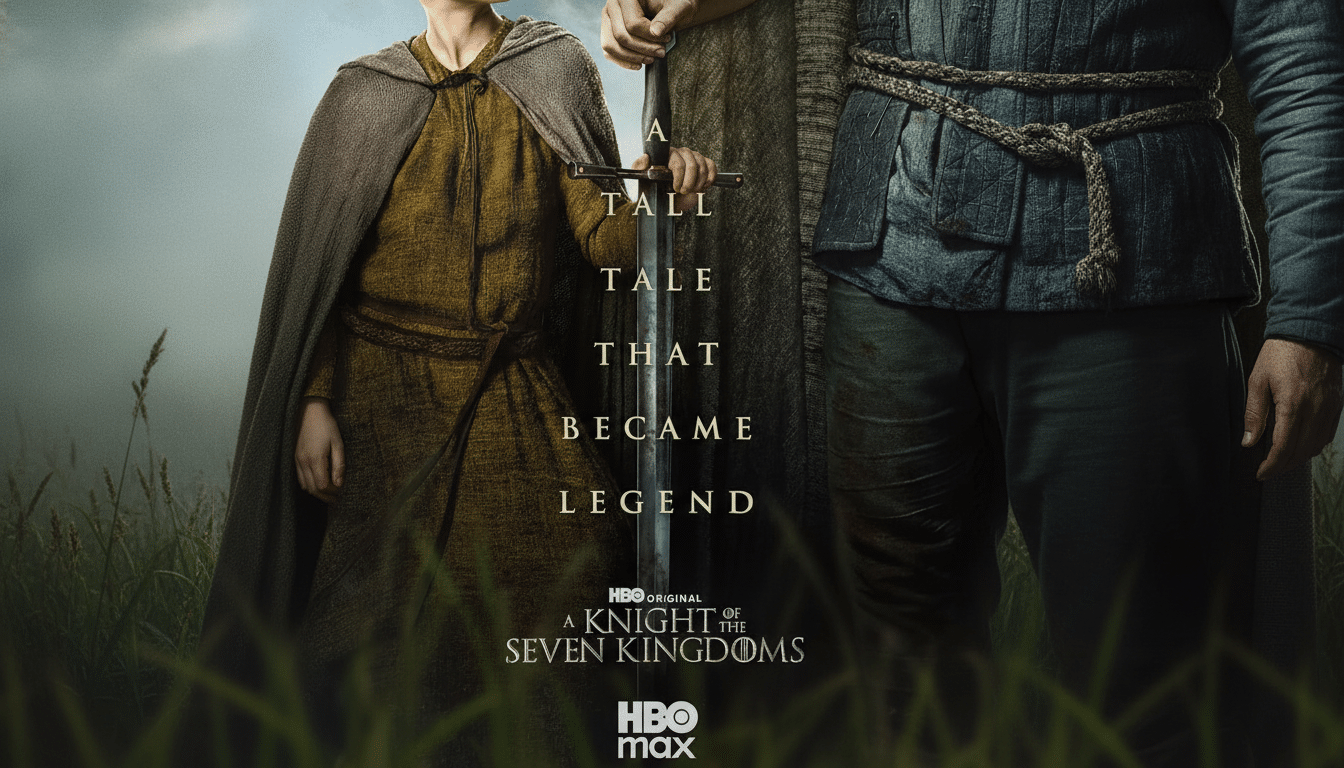
Without living dragons, there are no riders, no new eggs hatching, and no way to rekindle Targaryen air power. The result is a Westeros that remembers dragons the way we recall extinct megafauna: with awe, fear, and puppet shows that reduce terror into pageantry.
The Dance Of The Dragons Culled The Species
The extinction traces back to the Targaryen civil war dramatized in House of the Dragon. Archmaester Gyldayn’s chronicle Fire & Blood records that roughly 20 dragons lived when King Viserys I died in 129 AC. By the end of the conflict in 131 AC, only four remained — a catastrophic decline of roughly 80% in two years, amid ambushes, dragon-on-dragon combat, and attacks on the Dragonpit itself.
Historians within the lore add nuance. Septon Barth, a frequently cited royal scholar, argued that confinement in the King’s Landing Dragonpit stunted growth and weakened bloodlines, compounding the losses of war. Others blame political chaos, poor husbandry, and the simple mathematics of too few surviving breeders. Whatever the cause mix, the species never recovered.
Why Eggs Stopped Hatching After The War in Westeros
Even the eggs left behind turned inert. Fire & Blood notes repeated failures to hatch clutches despite ritual, flame, and maesterly tinkering. In a world where magic ebbs and flows, that collapse became a generational fact: no hatchlings, no riders, no second act. By the era of Dunk (Ser Duncan the Tall) and Egg (the future Aegon V Targaryen), dragons are relics — subjects for songs, sigils, and theater props.
This is why the show’s only “dragons” are in-universe stagecraft. It’s faithful to the text and to the historical moment, not a workaround. HBO has already demonstrated, in the larger franchise, a willingness to fund dragon spectacle; here, the story simply doesn’t call for it.
What A Dragonless Westeros Means For The Story
Removing unbeatable air power reshapes everything. Without living weapons to enforce Targaryen rule, legitimacy comes from law, oaths, coin, and the smallfolk’s tolerances. That’s the fertile ground of A Knight of the Seven Kingdoms: tourneys, roadside justice, and the precarious politics of a crown that now rules by consent and cunning rather than fire and fear.
Expect more attention to heraldry and petty lords, to the Reach and the Stormlands rather than royal loftiness, and to the human scale of conflict. It’s a pivot from draconic shock-and-awe to the kind of ground-level realism that first made Westeros feel lived in.
The Canon Behind The Choice to Omit Dragons
The production is drawing from primary texts within the franchise’s canon. Fire & Blood provides the fatal arithmetic of the Dance; The Hedge Knight establishes the last dragon’s death and the cultural afterglow; The World of Ice & Fire and references to Septon Barth’s writings illuminate theories about the species’ decline. Taken together, they leave little wiggle room: by 209 AC, dragons are history.
That fidelity pays off. By embracing a dragonless age, the series doesn’t shrink the world — it enlarges it, letting viewers see how Westeros functions when myths are gone and only people remain. The skies are empty, but the story is anything but.