


Many end their marriages for several reasons. Whatever your reasons, how you end your marriage matters. Movies and reality TV shows have always painted divorces as dramatic and hostile.
“However, you can achieve a collaborative divorce. You can break up without necessarily turning your ex into an enemy. In other words, you can retain your friendship with your ex-spouse after ending the marriage,” says divorce law attorney Paul Riley from The Riley Divorce & Family Law Firm.
- Understanding a Collaborative Divorce
- Processes to a Collaborative Divorce
- Engage a Reputable Divorce Attorney
- Assemble an Outstanding Divorce Team
- Start Well with a Solution in Mind
- Avoid Hoarding Details
- Have a Priorities List
- It Is Time for Negotiations
- Tender the Agreement to the Court
- Concluding Remarks
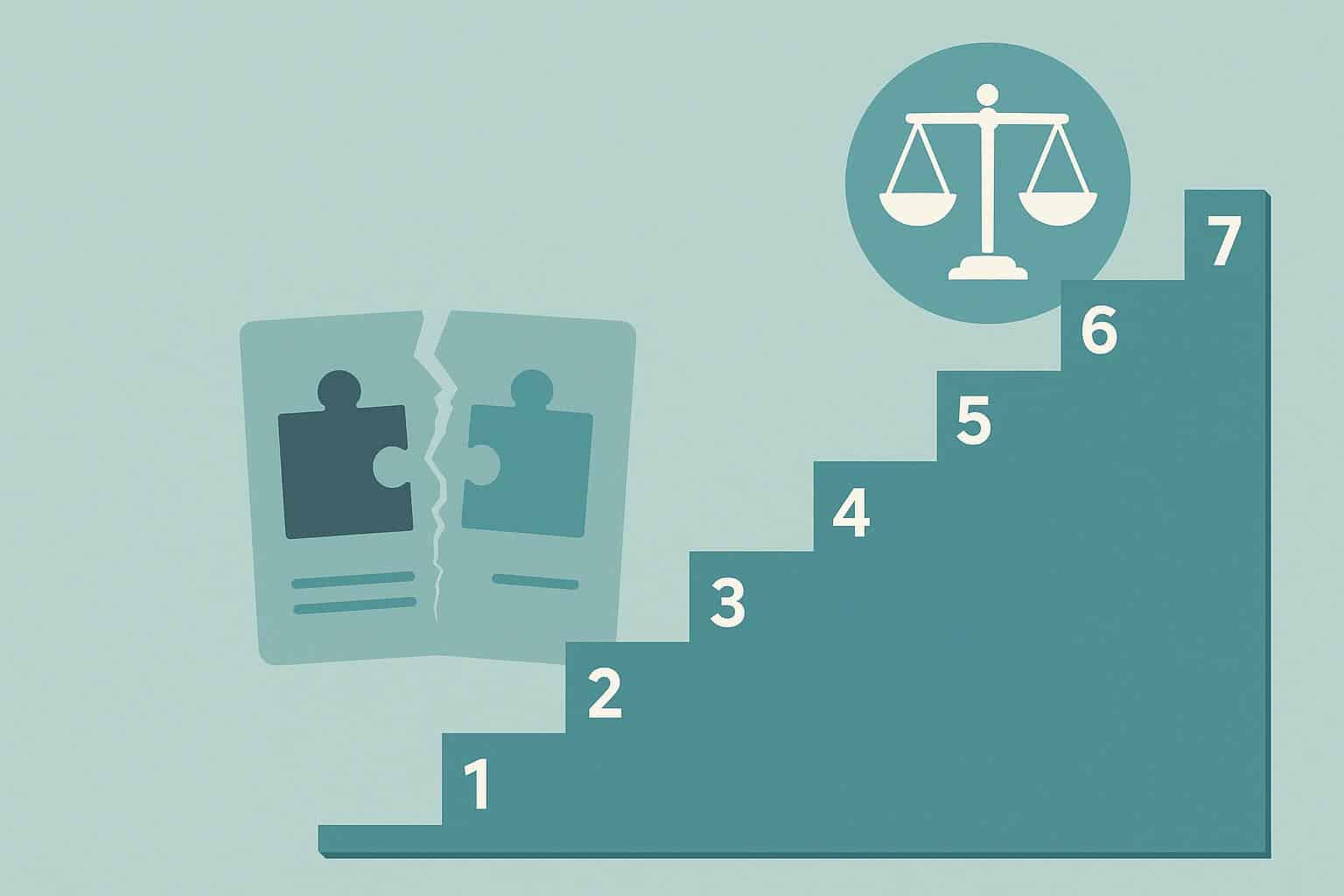
If this is what you desire, you must follow some defined steps. Those who rush to court and seek the intervention of a judge have a messy split. This piece discusses seven steps you can activate for a collaborative divorce.
Understanding a Collaborative Divorce
A collaborative divorce entails both parties working together to determine the terms of their breakup. In other words, you and your spouse collaborate to resolve critical areas of your divorce instead of allowing a third-party intervention.
Specifically, you decide how to distribute your assets, spousal support, and custody issues. You will also agree on the preferred parenting style. Once you agree on these crucial issues, you have overpowered the need for conflicts.
There are numerous advantages to a collaborative divorce. You can extensively negotiate every issue to the satisfaction of both parties. It is also quick because, unlike the court system, where you need to wait for several weeks, you move at your preferred pace.
Ultimately, collaborative divorce is less stressful. Instead of fighting, you partner for a win-win compromise. It is not emotionally draining like a hostile split.
Processes to a Collaborative Divorce
If you ignore the court system in your divorce, the procedures will differ. Negotiation is the crux of a collaborative divorce.
Follow these steps for a positive outcome of your collaborative split:
Engage a Reputable Divorce Attorney
Engaging a local, reputable divorce law attorney is the first step in every divorce journey. A legal representative will serve as your compass as you navigate the murky waters of divorce.
Although you do not involve the court in a collaborative split, you must submit agreements and documentation to them for approval. Hence, you need an attorney to guide you through the accurate presentation of papers and agreements for legal acceptance.
A divorce law attorney is your closest ally in your divorce proceedings. Neglecting them from the outset is like intentionally shooting yourself in the foot.
Assemble an Outstanding Divorce Team
You need to build a team of experts for the divorce process. You will need the expertise of different professionals, and it will be wrong to start scouting for them when you need them.
Your specific needs will determine your team formation. In addition to your attorneys, you may also need professional mediators, financial advisors, counselors, appraisers, and child custody experts.
You need these professionals to shed light on some grey areas in your divorce process. When the negotiation is at a breaking point, you can bring them in. For instance, child custody experts can help resolve custody issues with your partner.
Furthermore, the involvement of these team members helps to calm your nerves and keep the negotiations professional and on track.
Start Well with a Solution in Mind
Having the right mindset is fundamental to the success of a collaborative divorce. Thus, starting on a good note with your partner is crucial. While you are not necessarily the best friends, you must create a peaceful atmosphere to discuss complex issues without flaming up.
Be honest about the entire process. You must also prepare your mind for logical compromises. A collaborative split will not work if both parties are stubborn about their stance. If your professional team says a compromise is fine, take it without over-flogging the issue.
Your lawyer must sign the good faith agreement and a collaborative participation agreement with your partner before the process commences. This safeguards both parties from being victims of opportunistic fellows.
Avoid Hoarding Details
Hoarding information is the foundation of a collaborative divorce’s failure. Disclose necessary information to your team as your spouse does the same from the other end. You and your partner will collect details for all property, assets, and debts before and during the union.
If you had pre and post-nuptial agreements, it is crucial to provide these contracts, as they could influence your divorce. Being detailed in this instance is often beneficial.
The court may rule that your divorce settlement is invalid if you leave out crucial information, like a pension or bank account. Disclosing every relevant piece of information is the only way to stay afloat the cancellation of the court.
Have a Priorities List
After supplying your legal representative with the necessary information about your union, meet privately to discuss your expectations from the process. Although we emphasized the need for compromise earlier, it’s important to prepare your mind to make logical compromises.
Liaise with your lawyer to develop a priorities list. Clearly state your expectations from the breakup. For instance, you may want to retain ownership of the family house and keep the cars from the union.
Let your attorney know your stance concerning joint business, preferred assets, custody, and spousal support. Your attorney will rely on this list to guide you during the negotiations. You will also know areas to be firm and where to compromise.
It Is Time for Negotiations
After putting everything in place, it is time to start negotiating with your partner. You, your spouse, and your respective attorneys will meet to present preliminary offers to each other. You may involve other professionals in your team if you think their contributions will make the process seamless.
The meeting allows you to highlight the elements of each offer you will agree on and the ones that do not sit well with you. Get ready for multiple negotiation meetings as you sort through the gray areas.
It is essential to meet with your lawyer in between to map out a potent strategy and likely compromises. The negotiations end when you develop a satisfactory settlement for both parties.
Tender the Agreement to the Court
Your lawyers will convert the agreed settlement into a legal contract suitable for your jurisdiction’s requirements for divorce settlements. You and your spouse will consent to the contract. Then, your lawyers will submit it to the appropriate court for approval.
The judge will scrutinize it, and if it satisfies all of the state’s requirements, it will become your formal divorce settlement.
Concluding Remarks
From this piece, you have seen that you can divorce your spouse without attending a hearing. If you and your partner are still amicable, you can avoid trial and its costs. Collaborating to reach a settlement is beneficial for all parties, including your children and businesses.