


Apple’s next flagship will not only be measured in silicon and screen, but by whether intelligence has truly been threaded through every tap, swipe, and photo. Rivals from Google, OpenAI and now Microsoft and Anthropic are demonstrating that when artificial intelligence is embedded in the operating system and camera pipeline, your phone feels truly smarter. Here are seven things the iPhone 17 should bake in as system-level features to regain control.
A voice assistant that actually runs your phone
Applications like ChatGPT Voice, Gemini Live and Copilot Voice have demonstrated how natural, humanlike back and forth can be used to plan a day, write up a collection of replies and reason through a series of tasks. The missing link on the iPhone is deep control. You’re left to dream longingly of giving a single command (“Reschedule my 6 p.m. dinner for 7, text Maya that my future self is now arriving at 7, and turn on Do Not Disturb until then”) and watching the entire transaction flow through Calendar, Messages and Settings with on-device privacy assurances. Apple has the parts (Siri, Shortcuts, and secure enclaves); the iPhone 17 will need the glue so that voice isn’t a sideshow but the main attraction.
- A voice assistant that actually runs your phone
- Super‑res zoom Replaces a camera bag
- On-device personal context and the end of app hopping
- ‘Deep Research’ mode, not quick answers
- Group‑shot solutions that work
- Live translation between calls, texts and the camera
- Photo editing made for everyone
- Privacy-first performance for everything
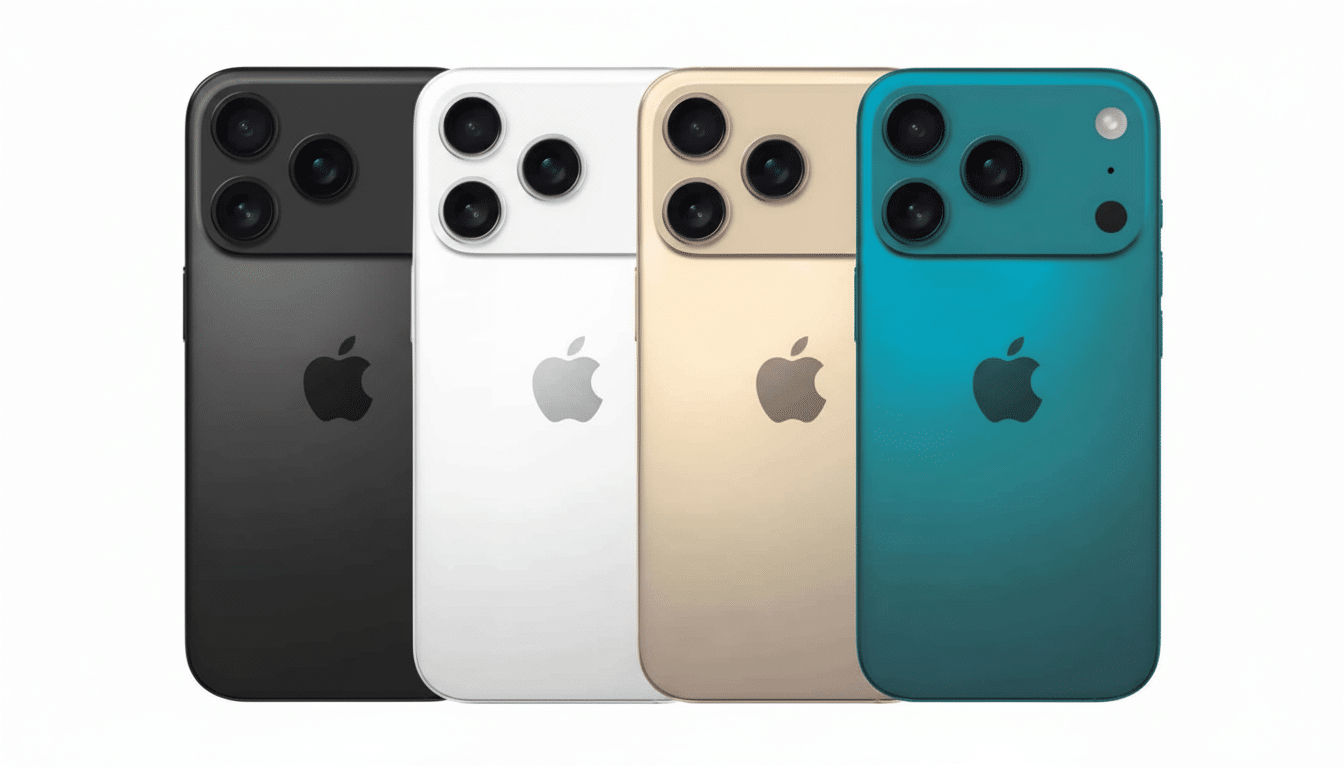
Super‑res zoom Replaces a camera bag
And then there’s Google’s new Super Res Zoom, which takes digital magnification all the way into three-digit territory using multiframe fusion and learned priors to reconstruct detail. It’s the the difference between mushy 30x crops and a shareable 100x shot. Apple is, of course, great at computational photography — from Deep Fusion to Photonic Engine — and leveraging it for long-range zoom would mean iPhone owners would have to leave the mirrorless and 70–200mm at home less often. A hybrid pipeline — sensor-crop, optical and AI — might bring “far-away” shots on the iPhone to feel first class, at last.
On-device personal context and the end of app hopping
Google’s Magic Cue shows how an assistant can bring up what you need, where you are, slurping out dinner times from a Gmail receipt directly inside a text thread so you can tap one out to reply. Apple offered a glimpse of the same vision with its ideas about personal intelligence. An iPhone 17 should make that possible on-device the way it should have been from day one: Your calendar, your mail, your notes, your messages, quietly presenting the right card at the right time without selling your life to a data-broker in the cloud.
‘Deep Research’ mode, not quick answers
Today’s assistants can do much more than spit out quick synopses. Anthropic’s Claude, for instance, serves Deep Research that requires additional synthesizing (and sourcing): A comparable mode in Siri — optionally powered by a partner like Anthropic or Apple’s own models — could be used for the complex asks: “Compare three 529 plans for New York residents and summarize fees, tax perks and fine print.” It should involve source lists, confidence notes and drill-downs — that is, it should turn Siri from a sprinter to a marathoner, when it counts.
Group‑shot solutions that work
Bringing together several frames, to open everyone’s eyes and remove all those awkward blinks, and Add Me sensibly worms the photographer into the group. These are the limited AI tricks that get actual work done. Apple could bake similar features into the iPhone’s camera and Photos app itself so the “one good frame” automatically pops out, complete with face-consistency checks to prevent uncanny results. Family portraits are where trust is gained; tasteful automation trumps heavy edits every time.
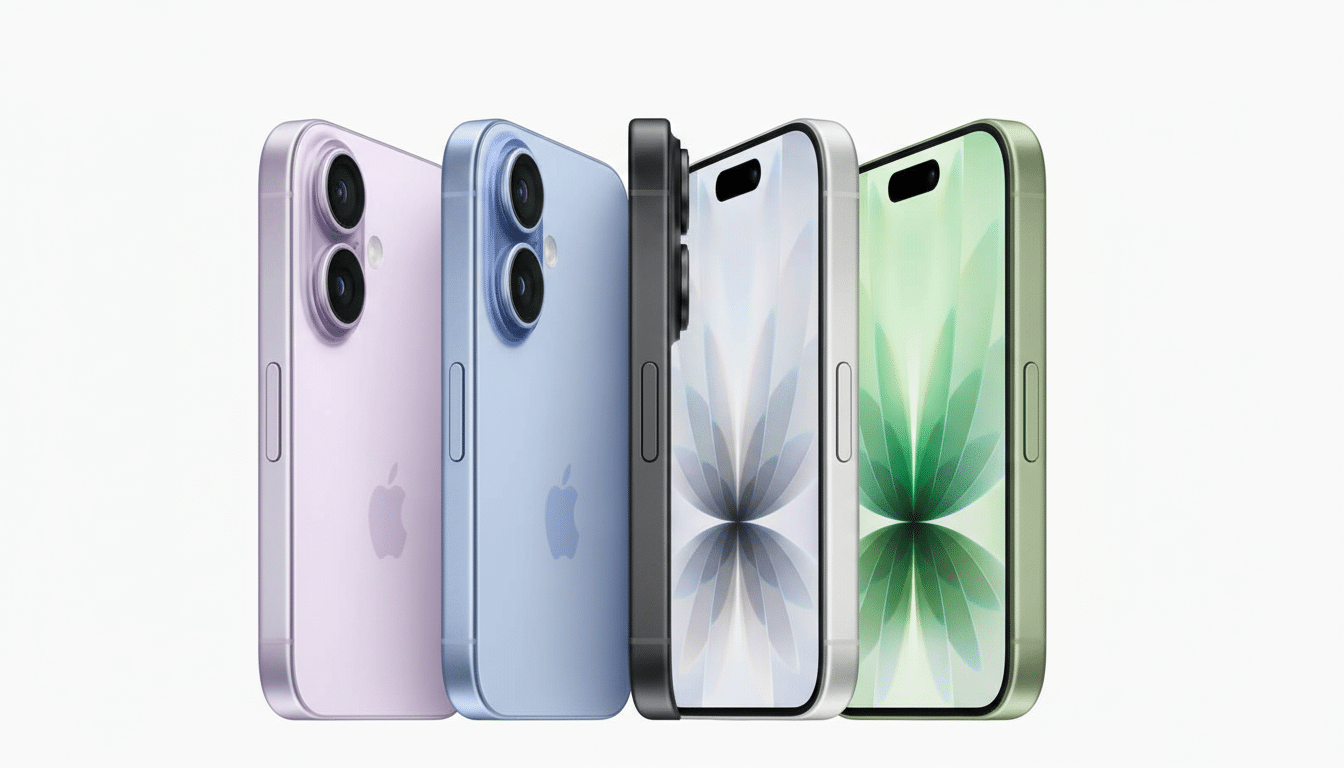
Live translation between calls, texts and the camera
Google Translate includes 100+ languages, and Apple’s Translate app supports around 20. The iPhone 17 would ideally be an announcement to language coverage that’s vastly more aggressive, and site it everywhere: live, two-way call translation in the Phone app; subtitle-style overlays in FaceTime; inline translation of iMessages; and camera-based signs and menus in the viewfinder. Thanks to low-latency on-device models for frequent languages and a private cloud fallback for less common ones, real-time translation is a feature that you don’t have to think about, you just use it.
Photo editing made for everyone
Now you can say things like “make the subject left, tone down glare, warm the sky” in Google Photos, and the app will do just that. And to democratize complex edits without drowning in sliders, that would mean offering a similar, guardrailed experience within Apple Photos. Apple could couple this with Content Credentials from the C2PA standard, so viewers would know when generative changes were introduced. Transparent AI editing honors creators, prevents the spread of misinformation and ensures Photos remains accessible to all.
Privacy-first performance for everything
None of this functions without powerful on-device AI support. Google is relying on custom Tensor silicon; Apple’s Neural Engine already does an admirable job with sustained, low-power inference. The iPhone 17 should go farther with bigger on-device models for language and vision, fast wake-from-voice and a clear compact: personal data remains local by default, explicit consent only for any private cloud processing. Independent audits, perhaps performed by an organization like the Electronic Frontier Foundation, would provide added weight to such promises.
The upshot: competitors are sewing AI into the things and places where people actually live — camera, communications, photos and voice. If Apple does deliver these seven features in the iPhone 17, in typical Apple fashion and concerning privacy, well, not only will it not be behind. It will define the new benchmark for what it means to be a truly smart smartphone.