


Cold water immersion, or using a cold plunge, has transitioned from an elite athletic recovery tool into a popular wellness practice. By exposing the body to controlled cold temperatures, you can trigger significant physiological responses that help reduce inflammation, improve circulation, and heighten mental clarity. This blog shares seven effective ways to maximise your recovery outcomes.
1. Start With Short, Controlled Sessions
The most common mistake beginners make is staying in the cold for too long, which can lead to unnecessary discomfort or strain on the body. Start with sessions lasting only 1 to 2 minutes. As your body adapts to the cold, you can gradually increase your duration to 3–5 minutes. Consistency over shorter, manageable sessions is more effective for long-term adaptation than one long, stressful plunge.
2. Time Your Plunges After Intense Workouts
To optimise muscle recovery, the best time to plunge is shortly after a high-intensity workout. The cold helps constrict blood vessels and reduce metabolic activity in sore muscles, thereby lowering inflammation and swelling. By using the bath as part of your post-workout cool-down, you can accelerate the clearance of metabolic waste products and help your muscles return to a balanced state faster.
3. Practise Rhythmic Breathing
Cold water immersion naturally triggers an involuntary gasp reflex as your body reacts to the temperature drop. To combat this, focus on slow, controlled, and rhythmic nasal breathing from the moment you step in. Deep, steady breaths help to calm your nervous system, shift you from a fight-or-flight response to a rest-and-digest state, and make the experience much more manageable.
4. Maintain Consistent Water Temperatures
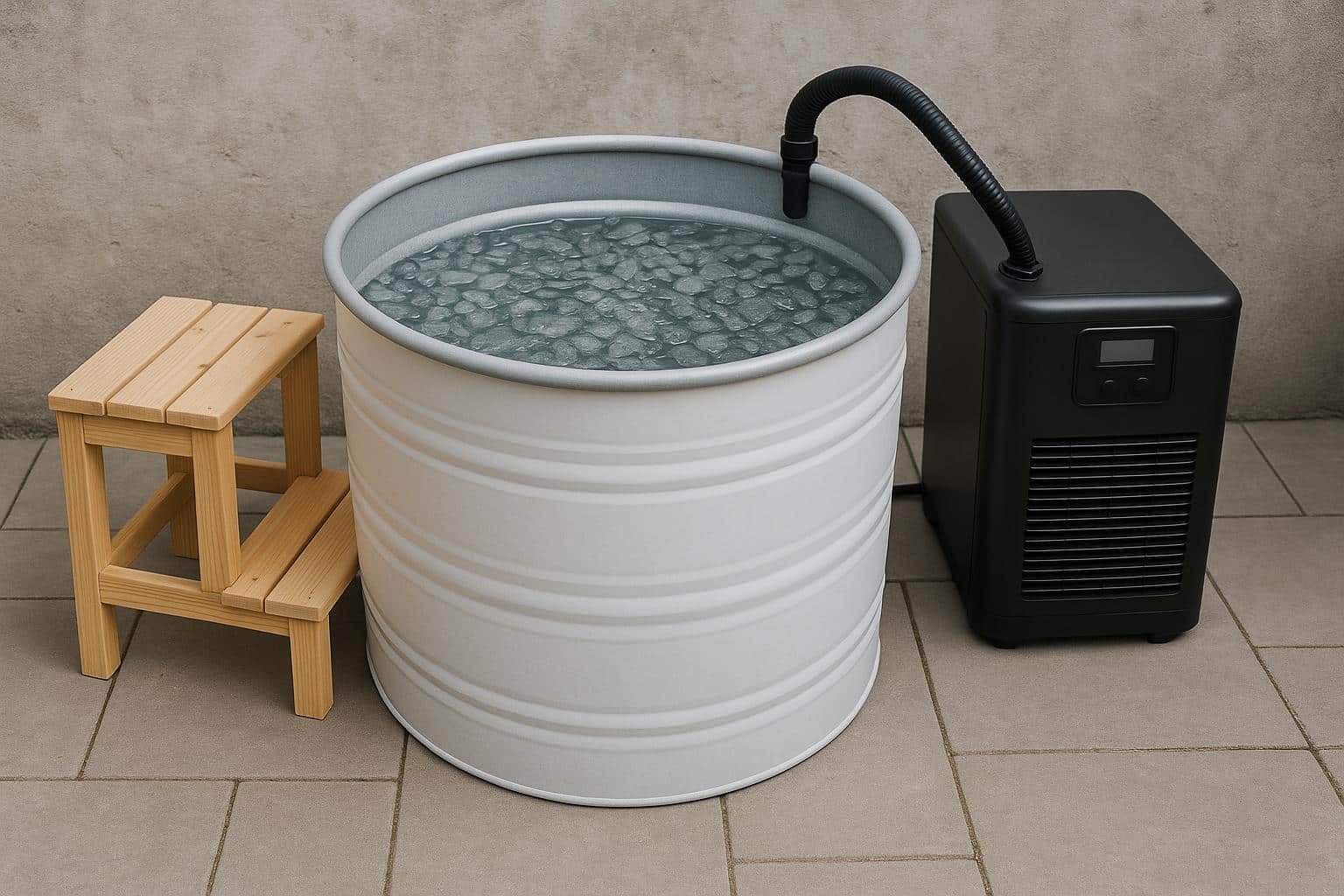
For recovery purposes, you do not need the water to be freezing to achieve benefits. Maintaining a consistent temperature for your plunges allows your body to learn how to regulate effectively. Many modern ice baths offer precision cooling, which takes the guesswork out of the process. Having a reliable, set temperature ensures that you can track your progress and avoid the potential safety risks.
5. Use Plunges to Boost Mental Resilience
Entering cold plunge ice baths requires you to consciously overcome your brain’s natural resistance to discomfort, which strengthens your focus and determination. Use your plunge time as a meditative practice; just close your eyes and push through the initial urge to get out. This mental conditioning carries over into other areas of your life, making it easier to handle stressors and maintain composure.
6. Combine with Active Recovery
If you have the space, follow your cold plunge with light movement, such as walking. This helps to pump the blood back through the muscles after the initial constriction of the cold, aiding in faster oxygenation and nutrient delivery to the tissues. This combination of cold therapy and recovery creates a synergistic effect that promotes better movement patterns and helps you feel less stiff after your session.
7. Follow a Structured Recovery Routine
To get the most out of your investment, treat your ice bath as a non-negotiable part of your weekly health routine. Whether you plunge three times a week or every single morning, having a set schedule helps your body and mind prepare for the practice. Many users find that setting a specific time, such as immediately after a morning workout or before a shower, ensures that they don’t skip sessions.
Take the Plunge for Your Health
Integrating a cold plunge into your lifestyle is an excellent way to support your physical resilience and mental well-being. By following these evidence-based techniques, you can ensure that every session is safe and tailored to your recovery goals. Whether you are aiming to improve athletic performance or simply want to feel energised and recovered, the benefits of cold therapy are just a plunge away.