


A new air conditioner should improve comfort and efficiency, but installation mistakes can lead to higher energy bills from the first day of operation. Even a high-quality system may struggle if it is not installed correctly or matched to the home’s needs. Small errors often remain hidden until cooling performance begins to decline or monthly utility costs increase. This guide explains six common installation mistakes that can raise cooling costs in Columbus and why proper installation matters for long-term efficiency.
1. Incorrect System Sizing
Choosing the right equipment size is one of the most important parts of air conditioning installation in Columbus, Ohio. A system that is too large cools the home too quickly without removing enough humidity, while one that is too small runs longer to reach the desired temperature. Proper sizing depends on factors such as home layout, insulation levels, window placement, and local climate rather than square footage alone.
2. Poor Airflow Setup
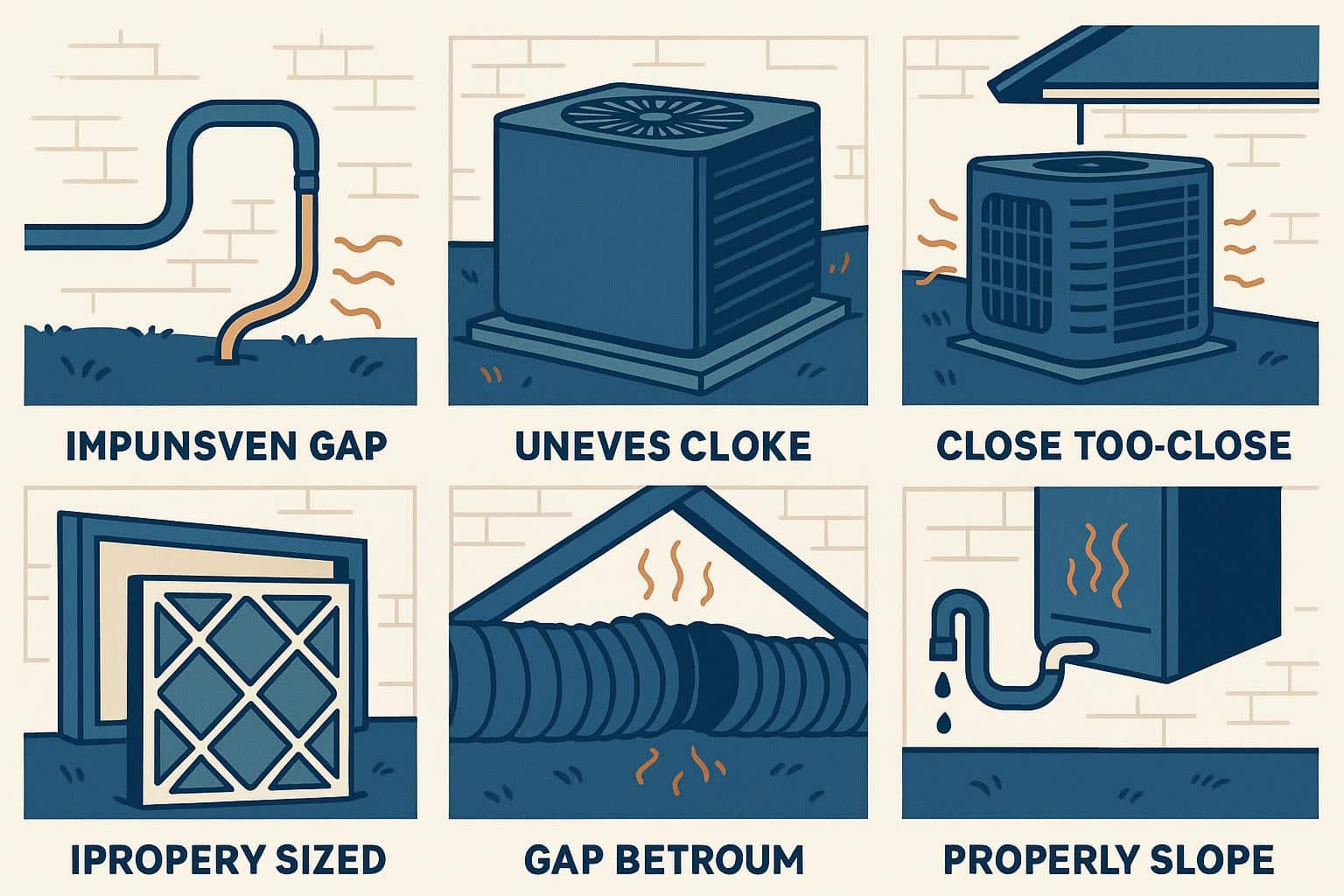
Even an efficient air conditioner cannot perform well if airflow is restricted. Improper duct connections, undersized return vents, blocked supply registers, or poorly balanced airflow force the system to work harder than necessary. According to ENERGY STAR, a typical home loses 20% to 30% of the air moving through its duct system because of leaks, holes, and poorly connected ducts, making proper duct installation and sealing important for efficient cooling performance.
Helpful installation checks include:
- Correctly sized supply and return ducts.
- Proper airflow balancing.
- Secure duct connections.
- Sealed air leaks around ductwork.
3. Incorrect Refrigerant Charge
Refrigerant levels must match the manufacturer’s specifications. Too much or too little refrigerant reduces cooling performance and forces the compressor to operate under unnecessary strain. Unlike routine maintenance, refrigerant charge is established during installation and should be verified using proper testing procedures in Columbus. Homeowners often notice longer cooling cycles or inconsistent indoor temperatures when refrigerant levels are not correctly adjusted from the beginning.
4. Poor Thermostat Placement
Thermostat location has a greater impact on cooling costs than many homeowners realize. A thermostat installed near direct sunlight, kitchens, windows, or other heat sources may detect temperatures that do not accurately represent the rest of the home. This causes unnecessary cooling cycles and uneven indoor comfort. Installing the thermostat in a central interior location helps the system respond to more representative indoor temperatures.
5. Improper Condensate Drain Installation
Air conditioners remove moisture as they cool the home, and that moisture must drain away properly. A condensate drain with the wrong slope, poor routing, or an improperly installed trap can cause water to back up around the indoor unit. Improper drainage can increase indoor humidity, encourage mold growth around the indoor unit, or trigger safety switches that interrupt cooling. Correct drain installation helps the system control humidity efficiently while preventing unnecessary service calls and higher operating costs.
6. Skipping Final System Testing
Installation should not end after the equipment is connected. Final performance testing confirms that every part of the system operates together as intended.
A complete installation should include:
- Airflow measurement.
- Refrigerant pressure verification.
- Thermostat calibration.
- Electrical safety checks.
- Temperature performance testing.
These final inspections often identify small adjustments before they develop into larger efficiency problems.
Professional Installation Protects Long-Term Efficiency
Many installation problems remain unnoticed until energy bills increase or cooling performance declines. Experienced HVAC professionals evaluate equipment sizing, airflow, refrigerant charge, thermostat placement, condensate drainage, and overall system operation before the installation is considered complete. During air conditioning installation in Columbus, Ohio, careful testing and quality workmanship help identify small issues before they become expensive repairs. Proper installation has a lasting impact on energy efficiency, indoor comfort, and operating costs, helping homeowners avoid preventable expenses and enjoy reliable cooling performance throughout the warm months in Columbus.