


I was in Sweden for a week, armed with a Samsung phone and the Oppo Find X8 Ultra, capturing more than 500 photos from Stockholm’s waterfront to shadowy castle halls and snow-dusted seascapes. For weeks, I demoed it to see whether it was the phone I wanted. After sorting through pixel-peeping decision trees and revisiting scenes at a range of focal lengths, there was one phone that took photos I wanted to keep and share. It isn’t a chasm, but it exists plainly.
The long and short of it: Oppo’s Find X8 Ultra produced the best shots overall, particularly across portraits, telephoto detail, and in low light (which remains something of an Achilles’ heel across much of premium phone photography — there’s rarely truly pleasing accuracy until you’ve got enough light). Samsung’s Galaxy S25 Ultra is still an excellent, consistent camera phone with great ultrawide performance and more stable white balance, but it was giving up too many high-impact frames to Oppo’s bigger sensor channels and tuning.
- How I tested these phones across Sweden and why it matters
- Why sensor size and optics shape results so decisively
- How zoom performance and portraits ultimately decide it
- Low light and ultrawide: where each phone excels
- Software color science and profiles across both cameras
- The verdict for travelers choosing between these two phones
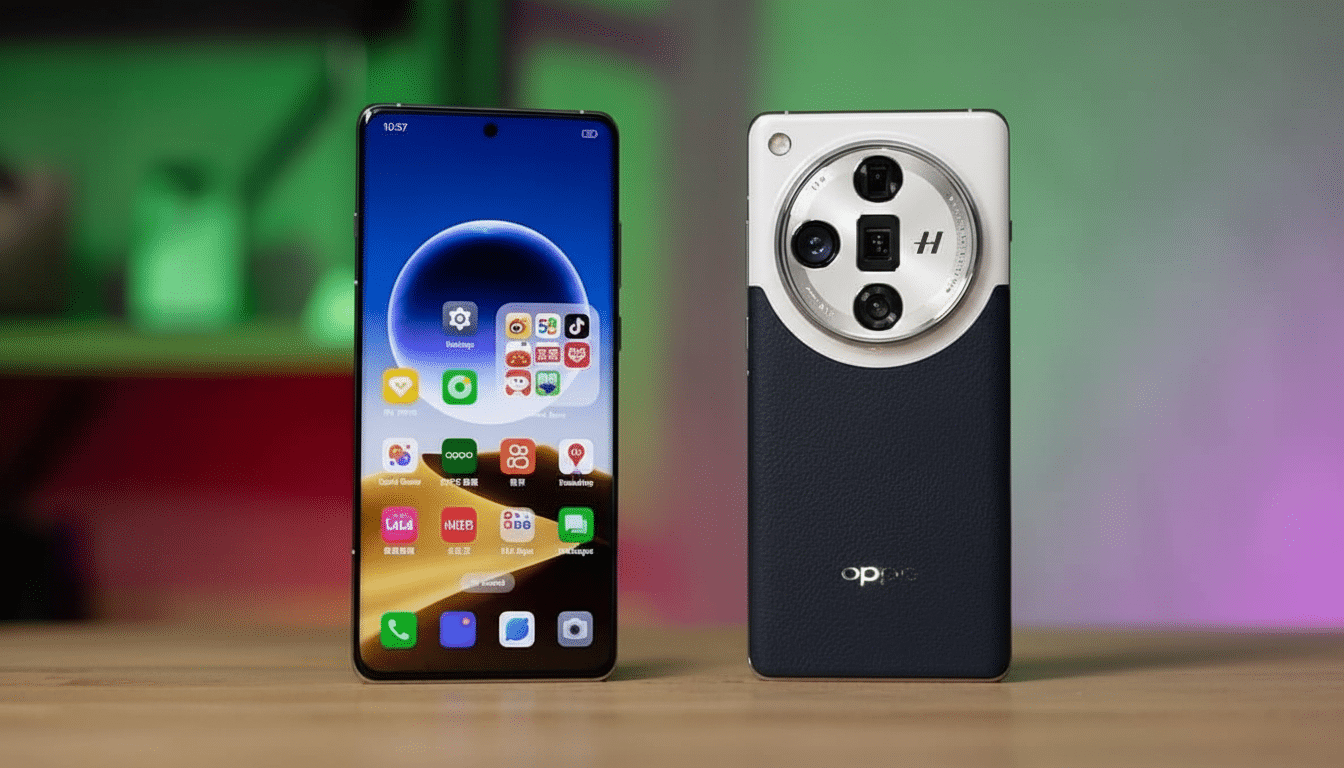
How I tested these phones across Sweden and why it matters
Our test corpus was composed of approximately 40% daylight images, 30% low light and night photos, 20% portraits, and 10% mixed artificial lighting scenarios. I shot every scene twice to four times at matched focal lengths ranging from 0.6x ultrawide and 1x to 2x and 3x zoom, and each phone’s native periscope zoom (5x on Samsung, 6x on Oppo). Both phones were on the most recent software, HDR and scene detection were enabled, and neither received third-party edits (except for exposure-matched crops when testing to compare).
In the interest of fairness, I stayed out of niche modes unless specifically testing a feature — such as XPAN and tele-macro. I assessed fine detail (brickwork, foliage), highlight handling (reflections on water, neon signs), skin tone reproduction, edge detection in portraits (hair and glasses), and the compromise between noise reduction and edge detail. That’s consistent with typical lab criteria; for comparison, DxOMark often emphasizes similar metrics when scoring phone cameras.
Why sensor size and optics shape results so decisively
The Find X8 Ultra’s primary strength remains hardware. It does so with four 50MP sensors, led by a 1-inch-type main camera. The Galaxy S25 Ultra, due a less imminent release, responds with a 200MP main sensor that bins to lower-res output, alongside an ultrawide and dual telephotos. On paper, the 200MP tally sounds impressive, but in reality the Oppo’s larger pixel area picked up cleaner shadows and smoother tonal transitions in challenging light.
Shooting in Stockholm’s Gamla Stan at twilight, the Oppo kept window highlights and preserved more stone texture in shadow; Samsung took a contrastier tack, rendering a visually punchy image but with clipped highlights and a tad more luminance noise in darker stucco.
Bigger sensors just capture more light per pixel, a benefit that is well documented in imaging research and has shown up in many lab comparisons over the years.
How zoom performance and portraits ultimately decide it
Telephoto performance separated these phones. At 3x, the detail on Oppo’s 50MP telephoto is crisper and more skin pore‑y than Samsung’s 10MP 3x — particularly under overcast light. Out to long reach, Oppo’s 6x periscope gave us cleaner detail and more natural background compression than Samsung’s at 5x; there was still sign legibility at a distance and tree branches held micro-contrast without waxy processing.
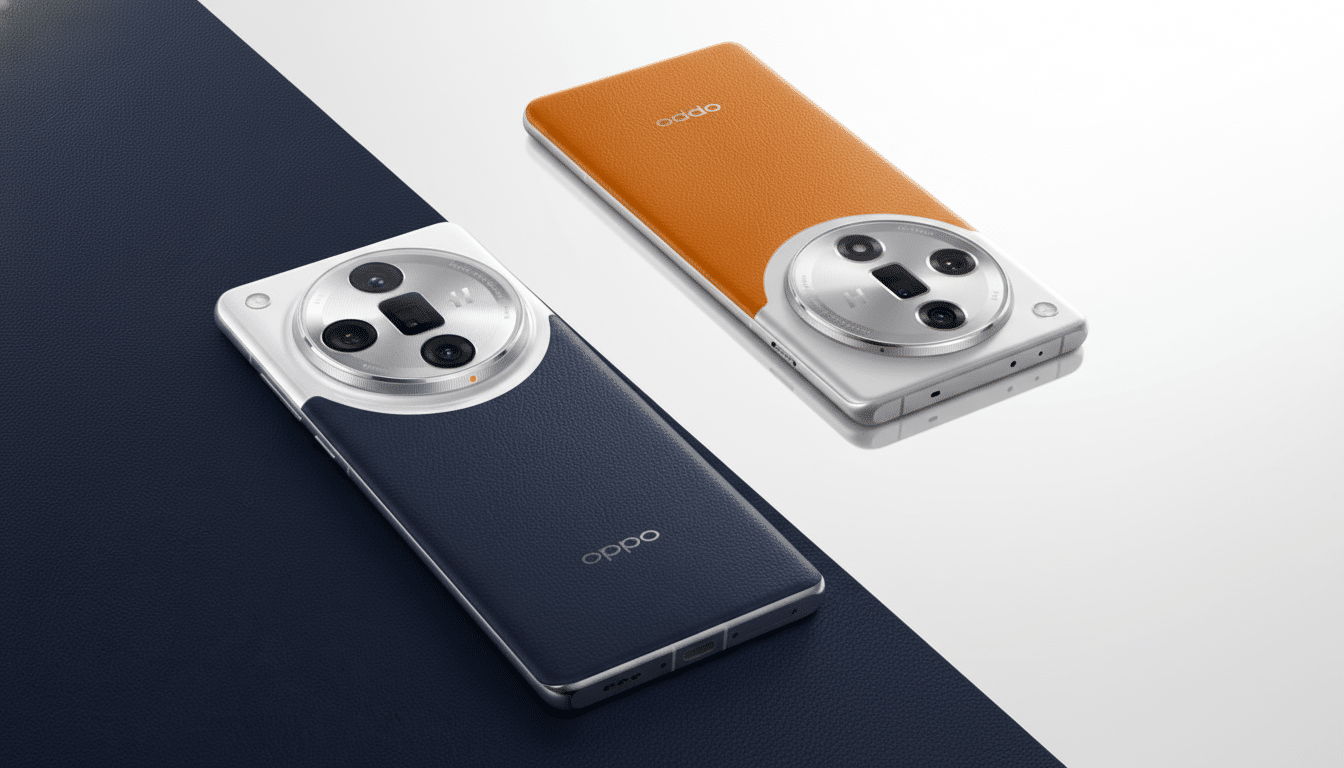
Portraits were even more decisive. Bolstered by its partnership with Hasselblad, the Find X8 Ultra delivered skin tones that had detail in their midtones and convincing warmth under side‑lit scenes. Edge separation around hair and scarves wasn’t as aggressive, nor did the depth roll‑off feel computational; it felt more lens‑like. Samsung’s portraits were reasonably consistent and often flattering to the color of my clothing, but the blur sometimes bled over onto ears or shoulder lines, leading shots to look processed if viewed on a full screen.
Low light and ultrawide: where each phone excels
Night and bar‑lit scenes played into Oppo’s hands. In a swanky candlelit restaurant, the Find X8 Ultra trod an able course between flame highlights and clean tabletop texture, while the Galaxy veered warmer with just a bit more chroma noise in shadowed napkins. Handheld exposures from each were reasonably steady, though Oppo made the sharper file at 1x and 3x throughout the test, and also evaded the greenish tint that can slip into mixed light.
Ultrawide was a rare draw. Samsung’s ultrawide kept pace with Oppo for detail in daylight, and frequently nailed white balance under sodium street lamps. Barrel distortion and corner softness were also kept to a minimum on both. If you shoot a lot of architecture or interiors at 0.6x, the steadier color temperature of the Samsung gives it a slim advantage, although Oppo’s files can look more alive without coming across cartoonishly saturated.
Software color science and profiles across both cameras
And Hasselblad’s Natural Color Solution on the Find X8 Ultra is more than a marketing gimmick. It did, in that Scandinavian winter light — cool, directional, unforgiving — provide color that stayed true to the scene while not reducing skin‑tone nuance into something that looked polished but also other. I used the XPAN mode creatively — cathedralesque frames and seascapes — and it mimicked Hasselblad’s panoramic aspect well. The 6x tele‑macro setting also proved to be quite a surprise, offering enough detail on far signage and ironwork without having to get in close.
Expert RAW is still there for anyone who prefers to grade later, and the camera app is blissfully uncluttered. And white balance is getting more repeatable across lenses, perfect for quick social shares. But the S25 Ultra’s tone curve can underexpose faces in backlit portraits and occasionally lifts blues toward cyan, a look that pops on screens — but has less fidelity on photo paper.
The verdict for travelers choosing between these two phones
After 500 frames, the Oppo Find X8 Ultra is the camera I’d take again. It wins where it matters: portraits with real depth, long zooms that offer genuine detail, and low‑light images that retain atmosphere and texture. With its bigger sensors and Hasselblad‑tuned color, it cracks the crown — although sporadic over‑brightening in harsh sun dictates you’ll want a backup frame.
The Samsung Galaxy S25 Ultra stays among the all‑arounders — stellar ultrawide, steady white balance, and a fuss‑free camera experience. If predictability is your happiness, you’ll be happy. But if you care most about photographic output from the phone, then in this head‑to‑head it’s the Find X8 Ultra that wins out.