


Are you ready for the hidden challenges of a Microsoft 365 or Google Workspace Tenant migration?
Irrespective of whether the migration is from one Microsoft 365 tenant to another or whether there is a consolidation of many Google Workspace environments, cross-tenant migration is more involved than just moving data. The migration impacts identity, permissions, compliance, and business continuity. If there is no proper planning, then business downtime and compliance gaps can occur.
- 1. Tenant to Tenant Migration Is Beyond Simple Data Transfer
- 2. Identity and Permission Mapping Is Critical
- 3. Delta Migration Is Essential to Capture Incremental Changes
- 4. Security, Compliance, and Governance Must Be Reconfigured
- 5. Post-Migration Validation Is Non-Negotiable
- Best Petabyte-scale Tenant-to-Tenant Migration Tool for Enterprises
- Why Work with an Enterprise Migration Partner?
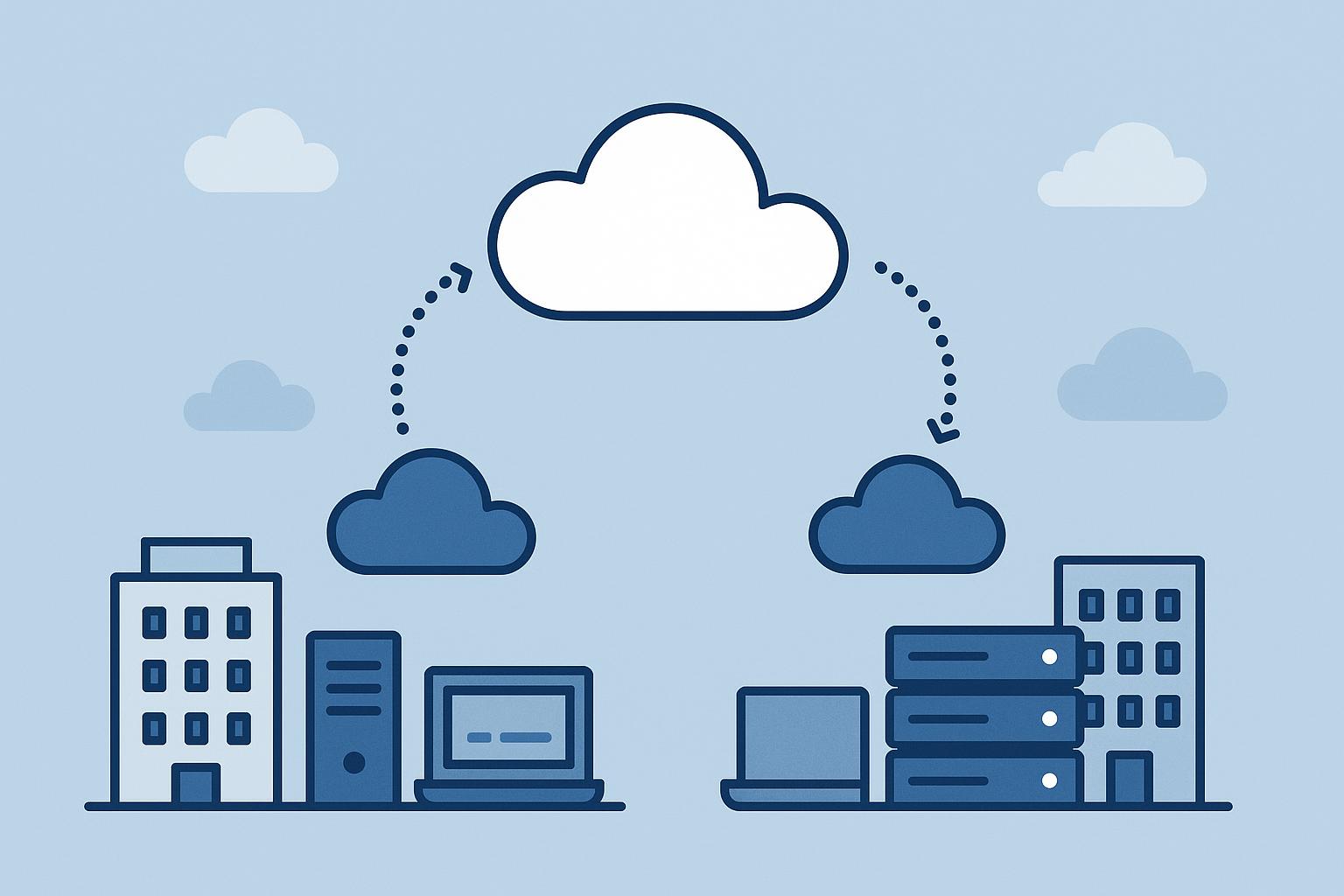
Before starting the planning and process of tenant-to-tenant migration, here are five critical things that every enterprise needs to understand.
1. Tenant to Tenant Migration Is Beyond Simple Data Transfer
Many organizations consider migration to simply migrate mailboxes, OneDrive accounts, or even Shared Drives. However, when it comes to Microsoft 365 tenant migration or Google Workspace tenant migration, the process actually includes much more than simply migrating from one environment to another.
The cross-tenant migration involves:
- User identities (UPNs, domains, aliases)
- Group memberships
- Role-based access control
- Shared links and collaboration settings
- Retention and compliance policies
- Security configurations
When data is recreated in the new tenant, new object IDs are generated. If the dependencies have not been properly mapped, there may be an effect on the sharing structures and collaboration workflow.
There are enterprise-grade tenant to tenant migration platforms like CloudFuze Migrate that have been developed specifically to manage the intricacies of large-scale and complex Microsoft 365 and Google Workspace tenant-to-tenant migrations.
It offers automated identity mapping, precise permission remapping, and validation reports to ensure enterprises move beyond data transfer and achieve a highly secure, structured and zero-downtime tenant-to-tenant migration.
2. Identity and Permission Mapping Is Critical
An incorrect identity is one of the leading reasons behind post-migration disruption, particularly in cases of Microsoft 365 tenant migration and Google Workspace to Google Workspace migration.
With changes to user principal names (UPNs) or domains, permissions tied to legacy identities may not automatically transfer, causing:
- Lost access to shared files
- Broken SharePoint or Shared Drive Permissions
- Wrong inheritance structures
- External sharing failures
Enterprises need to develop a structured plan for the identity mapping, including:
- Source-to-destination user mapping
- Group mapping
- Shared mailbox mapping
- Guest user handling
- Role remapping
Such remapping of permissions becomes imperative in environments where there are thousands of users and deeply nested access layers. The lack of proper mapping means productivity will diminish right away. Therefore, partner with platforms like CloudFuze that offer CSV/auto-map for 100% accurate mapping.
3. Delta Migration Is Essential to Capture Incremental Changes
In enterprise environments, users keep working during migration. Thus, files are edited, documents are created, and emails are sent. A one-time (bulk) migration is not sufficient.
Delta migration (incremental sync) is used to ensure that newly created and modified data is continuously captured until the final cutover. It:
- Syncs updated files
- Captures new data
- Maintains data consistency
- Ensures Data Parity
Best practices include:
- Pre-staging migration
- Scheduled delta passes
- Final delta run before cutover
- Post-migration validation
Without delta sync, organizations face risks of data gaps and prolonged downtime.
4. Security, Compliance, and Governance Must Be Reconfigured
Security policies do not automatically replicate across tenants. Enterprises need to reassess:
- Retention policies
- Legal holds
- DLP rules
- Conditional access configurations
- Multi-factor authentication
- Data Residency Requirements
For regulated industries, compliance validation is a necessity prior to source tenant decommissioning. Migration does not complete itself without proper alignment of governance controls.
5. Post-Migration Validation Is Non-Negotiable
Even though data transfer has been completed, it does not imply that the migration is successful.
Enterprises must validate:
- File and mailbox counts
- Permission accuracy
- Shared link functionality
- Group memberships
- Licensing assignments
- External sharing settings
The most frequently encountered issues in the post-migration phase are link breaks, versioning issues, orphaned users, and licensing issues. However, platforms such as CloudFuze provide detailed post-migration validation reports that help IT teams confirm stability before retiring the source tenant.
Best Petabyte-scale Tenant-to-Tenant Migration Tool for Enterprises
To eliminate the intricacy of identity mapping, delta migration, and compliance validation processes, choosing an automated tenant to tenant migration solution designed specifically for cross-tenant projects is worthwhile.
CloudFuze Migrate is trusted by enterprises to accomplish secure Microsoft 365 and Google Workspace tenant to tenant migration. It supports:
- Automated user and permission mapping
- Advanced delta migration with unlimited sync passes
- OneDrive, SharePoint, Teams, and Shared Drive migrations
- Hyperlink and file ID preservation
- Detailed validation and audit-ready reports
- Preservation of file versions
- Zero downtime cutover strategy
It also offers comprehensive managed migration support and has worked with 1000+ leading global enterprises, including Broadcom, Warner Bros., Vendasta, and many more.
Why Work with an Enterprise Migration Partner?
Apart from the tools, tenant-to-tenant migration also needs strategic planning and execution expertise. CloudFuze not only provides enterprise-grade migration technology but also offers guided migration support to ensure:
- Pre-migration assessment
- Identity mapping consultation
- Governance alignment
- Cutover planning
- Post-migration validation
For organizations planning to undertake complex cross-tenant migration, consulting with industry-leading CloudFuze’s migration specialists can help identify risks early and design a structured roadmap.
Conclusion
Enterprises that approach migration with structured discovery, automated mapping, a delta sync strategy, governance validation, and post-migration testing are far more likely to achieve a seamless transition.
However, with the appropriate strategy and trusted migration partner like CloudFuze, tenant consolidation can evolve into a powerful opportunity for cloud modernization.