


Career survival requires continuous lifelong learning habits. Such habits, first of all, help with adaptability, so you can be flexible and adjust to new tools and tasks with ease. Additionally, they help improve cognitive health by pushing you to stay updated with new processes, which matters because specialized knowledge often loses value quickly, especially if we speak about workflows in tech fields.
When we continue to hold onto older methods with a fixed mindset, we risk losing relevance. We need to treat learning as a regular activity; actually, it is better even to say a daily regular learning activity. For example, you can update one small skill every day, meaning treating learning as a strategic point in your schedule, and build an effective system to add it to your calendar with reminders.
- What Lifelong Learning Actually Means Today
- 1. Learning with Immediate Application: Skills Without Context Don't Transfer
- 2. Prioritise Regular Cognitive Input: Read or Consume Knowledge Regularly, Not Occasionally
- 3. Learning Skills for Transfer: Complex Tools Often Don't Transfer Directly to a Job, But They Train Habits
- 4. Practice Clear Thinking By Writing or Explaining Ideas
- 5. Learning Skills Relevant to Your Profession Continuously: Micro-Upskilling
- Why These Habits Matter Together
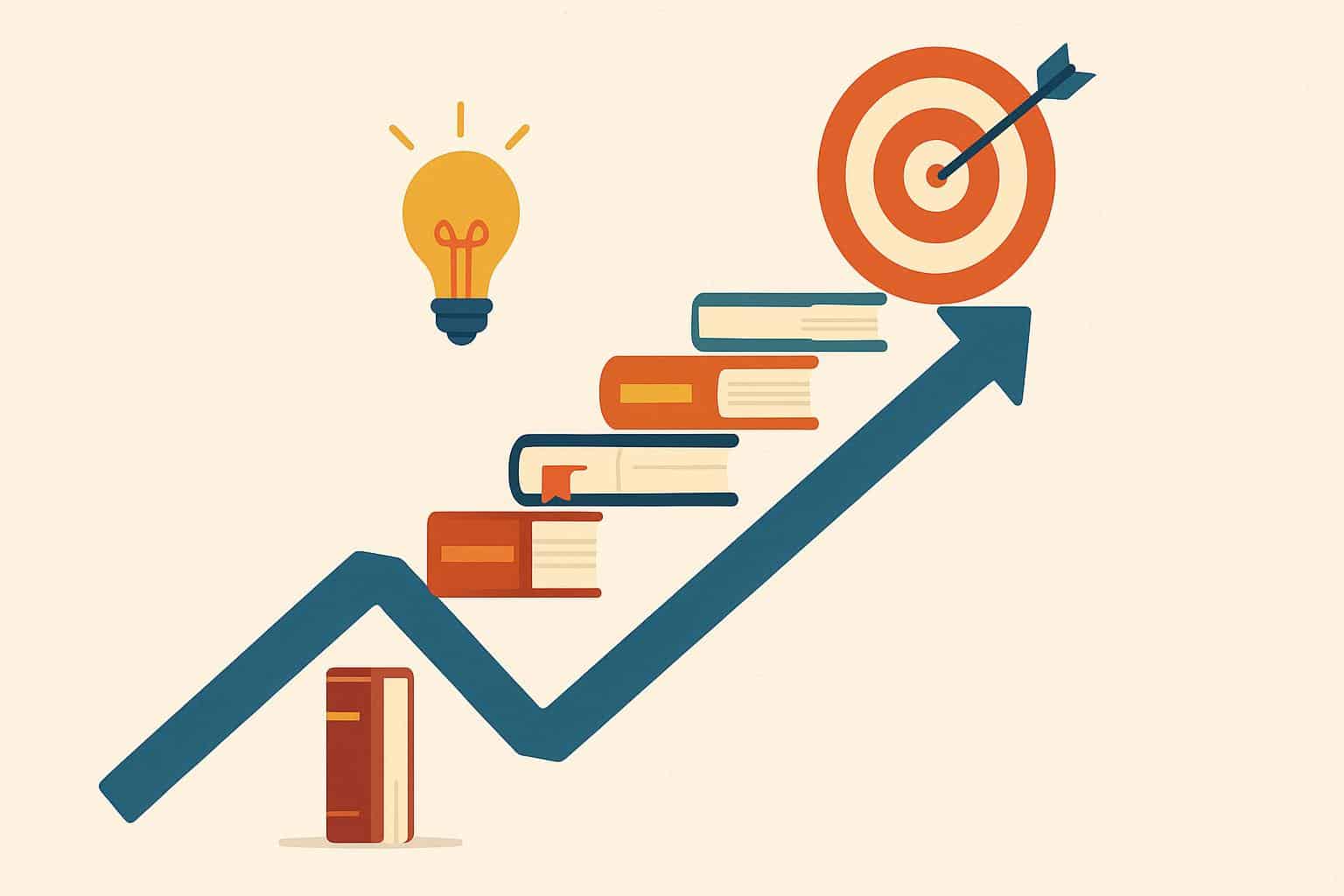
Structured microlearning provides ready-made decisions for such tasks, which reduces mental load, and it gives you clear next steps on what to do or what to read next. It cuts hesitation and keeps your routine stable. What other habits can support you?
What Lifelong Learning Actually Means Today
Lifelong learning means regularly acquiring skills and knowledge across your working life. A research overview defines it as the ongoing process of developing abilities and competencies over time, reflecting how careers now change more often than before. Therefore, people who keep learning tend to have higher earnings and stronger mental performance than their peers who do not.
This evidence explains why lifelong learning is about building daily learning habits. With that in mind, here are five habits grounded in data and feedback from Reddit users that professionals should consider or adopt:
1. Learning with Immediate Application: Skills Without Context Don't Transfer
You don't learn things just in case or for background knowledge alone. It's better to focus on learning something you can use right away, or at least do some exercises to build a core background immediately, or apply it through examples for better comprehension or real use cases, even in a small way.
Testing one idea at work or trying a single step the same day is better than just skipping through it in a doom-scrolling way. For example, let's take theHeadway app as a simple use case. You open one offered nonfiction book summary per day, read it in about 10 minutes, get one core idea, and apply one takeaway the same day. When learning is followed by action, the data sticks; as well, you see its value right away. Generally speaking, when it isn't used, it fades quickly.
2. Prioritise Regular Cognitive Input: Read or Consume Knowledge Regularly, Not Occasionally
Frequent learning (not occasional deep sessions) can keep your mind sharp. For example, cognitive skills (literacy and numeracy) begin to decline in adulthood unless maintained through regular use. That means that you need to keep reading books, articles, publishing materials, learn new tools, or, for example, digest nonfiction book summaries daily.
Even 10-15 minutes can help to keep your "skill usage" above average. Regular cognitive input reduces the risk of cognitive decline later in life and maintains your capacity for complex problem-solving.
3. Learning Skills for Transfer: Complex Tools Often Don't Transfer Directly to a Job, But They Train Habits
This habit means choosing learning activities that improve how you approach problems. Many Reddit users point out that mastering things like chess, Rubik's cubes, guitar playing, or niche tools and apps can take years, yet the skill itself often has little direct impact on job performance. However, this kind of practice mainly develops what transfers, for example:
- Discipline
- Patience
- Learning how to study
- Frustration tolerance
- Problem breakdown
- Focus
4. Practice Clear Thinking By Writing or Explaining Ideas
When we speak about self-improvement, you can often find writing and speaking skills and habits as daily practices that sharpen thinking. For example, writing forces you to organize ideas or simplify complex points. This habit supports career growth because clearer thinking leads to better problem framing.
You can use structure while writing your ideas or plans. People often describe that they quit learning because they didn't know what to do next. Structured systems like writing schedules, predefined tasks can help you remove that friction.
5. Learning Skills Relevant to Your Profession Continuously: Micro-Upskilling
As you can see, lifelong learning — defined as updating skills and knowledge across adulthood — improves long-term career prospects. Given how fast industries shift, what you learned five years ago may already be dated. Therefore, micro-upskilling (short courses, reading summaries, small skill projects) helps you stay current.
It also means improving your job-related skills in regular steps, not focusing on long courses or major retraining. In practice, it can look like this: you learn one narrow thing that helps your current work today, you apply it quickly, then move on to the next gap. The goal is to keep your skills aligned with how your job works now, not how it worked years ago.
Why These Habits Matter Together
Generally, skills lose value, but how you learn stays useful. Habits like persistence, clear thinking, structured learning, and being flexible continue to pay off, and that's why lifelong learning works when it's treated as a system. You can also focus on building frustration tolerance through slow learning, which helps you stay steady when progress is slow. It is about not giving up when you don't see results right away or when you make mistakes. This matters at work because many tasks involve delays or repeated failures before things start working.
Additionally, combining new lifelong learning habits acquisition with healthy lifestyle choices — like regular sport exercises and activities — simply boosts cognitive functions such as working memory. Sleep helps your brain store what you learned and improves executive control, which is the ability to manage attention. When you sleep well after learning, your brain processes the information instead of losing it.
The habits above, like regular reading, micro-upskilling, applied learning, and long-term maintenance, just let you stay ahead, keeping your mind ready for whatever comes next!