


Key Takeaways
Accuracy in temperature is crucial for food safety. Even slight deviations can result in spoilage or unchecked growth of harmful bacteria, outcomes that a remote equipment monitoring system can effectively mitigate.
Temperature fluctuations can rapidly spoil food, jeopardizing quality and safety, which may trigger foodborne illness outbreaks.
- Key Takeaways
- Why Temperature Accuracy is a Big Deal for Food Safety
- Understanding the Critical Role of Temperature Monitoring
- How Fluctuations Impact Food Quality and Safety
- The Financial Benefits of Implementing Remote Monitoring Solutions
- Cutting Costs with Proactive Equipment Maintenance
- The ROI of Preventing Food Waste through Consistency
- Real-Time Alerts: A Lifeline for Food Service Operators
- Streamlining Compliance with Industry Standards
- FAQ
- What types of businesses benefit most from remote equipment monitoring systems?
- How does remote monitoring impact employee efficiency?
- Can remote monitoring systems integrate with existing equipment?
- What kind of maintenance is required for remote monitoring systems?
- How do remote monitoring systems contribute to sustainability?
- What are the costs associated with implementing a remote monitoring system?
- Are real-time alerts customizable based on specific business needs?
- How can small businesses access remote monitoring technology effectively?
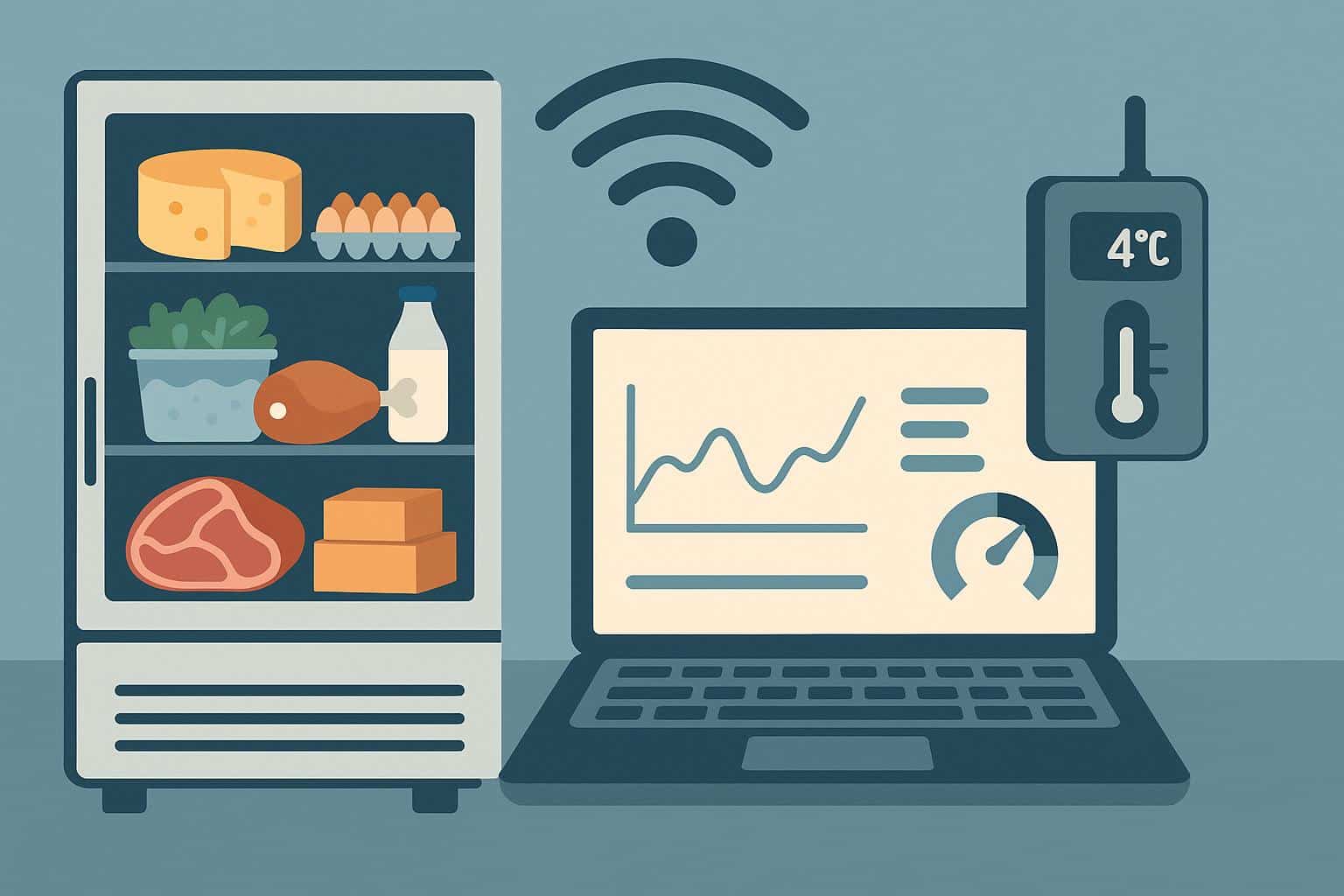
Implementing remote monitoring systems allows for proactive equipment maintenance, which cuts down on repair costs and minimizes downtime, thereby boosting the financial health of food-related businesses.
By utilizing advanced monitoring systems, businesses can cut spoilage-related costs by as much as 30%, thus significantly enhancing profit margins.
Real-time alerts enable food service operators to swiftly address temperature anomalies, helping to maintain food integrity and adhere to health regulations.
Investing in remote monitoring technologies bolsters customer confidence, as businesses can showcase their commitment to food safety through efficient problem-solving.
Automated reporting simplifies compliance with food safety regulations by ensuring accurate records are available during inspections, alleviating stress for food service operators.
Why Temperature Accuracy is a Big Deal for Food Safety
Understanding the Critical Role of Temperature Monitoring
For food safety, maintaining precise temperature levels is essential—a point often overlooked by many professionals. Even a minor deviation can lead to spoilage or create environments suitable for harmful bacteria. A remote equipment monitoring system has revolutionized how food operators manage and monitor temperature with unmatched precision. This advanced technology consistently checks food storage conditions, guaranteeing adherence to essential safety parameters and safeguarding public health.
Businesses today are confronted with strict food safety regulations that demand continuous temperature control. Employing a monitoring system minimizes the margin for errors. It’s not solely about regulatory compliance; it’s also about a genuine commitment to quality. When temperature data is gathered in real-time, operators can be confident in the safety of their inventory.
How Fluctuations Impact Food Quality and Safety
Fluctuating temperatures can spoil food faster than one might think. A refrigerator that oscillates between 32 and 40 degrees Fahrenheit isn’t merely inconvenient—it poses a serious safety risk. Storing food outside its ideal temperature range can lead to bacterial growth, potentially resulting in foodborne illness outbreaks.
- First and foremost, the quality of food deteriorates: freshness declines, flavor suffers, and nutritional value becomes compromised.
- Additionally, consider the cost implications of waste: spoiled food translates to lost revenue and wasted resources—an unacceptable burden for any establishment.
- Finally, there’s reputational risk: a single case of foodborne illness can damage a brand’s reputation for years.
Thus, understanding how temperature fluctuations affect food safety is critical—it’s a matter of survival in the food industry.
The Financial Benefits of Implementing Remote Monitoring Solutions
Cutting Costs with Proactive Equipment Maintenance
Maintaining food safety is important, but so is keeping an eye on financial performance. Remote monitoring offers economic advantages through effective maintenance techniques. When equipment runs efficiently, breakdowns become uncommon, leading to longer lifespans for machinery. This efficiency saves money on repairs and minimizes the extended downtimes that can disrupt operations. Just think about how much it could save to significantly lower maintenance costs.
- By forecasting equipment failures through early detection, businesses can plan repairs during less busy times.
- This proactive approach allows for better budgeting of maintenance expenses long in advance.
- As a result, resource allocation becomes more transparent, ensuring funds focus on revenue-generating activities.
Ultimately, smart maintenance translates into long-term savings that enhance financial viability. It’s clearly a win-win situation.
The ROI of Preventing Food Waste through Consistency
Comparing traditional temperature monitoring methods with modern systems reveals a noticeable return on investment. Increased consistency significantly reduces food waste. Each item preserved or frozen at optimal conditions results in less waste and greater profits. Statistics indicate that less spoilage is directly linked to improved profitability, and a steady supply consistently yields positive outcomes.
“Data shows that regular, precise monitoring of storage temperatures can reduce spoilage-related costs by up to 30%.”
Moreover, the ability to recycle and reuse food products stems from operational efficiency. As ingredient costs continue to rise, the capacity to pivot quickly becomes invaluable. This situational awareness fosters sustainability, creating a ripple effect that appeals to eco-conscious consumers.
Real-Time Alerts: A Lifeline for Food Service Operators
Reacting to Issues Before They Escalate
In emergency situations, timing is critical. With real-time alerts, food service operators can act quickly in response to potential threats. The instant a temperature anomaly arises, notifications are dispatched directly to the operator’s device. This immediacy enables teams to identify issues without delay, thereby preserving both food integrity and overall operational flow.
- Swift intervention ensures food safety is rarely compromised.
- Shortened reaction times also help decrease extensive losses; actions can be taken before the situation escalates.
- Rapid adjustments help maintain compliance with health regulations, averting penalties from inspectors.
This level of vigilance has become standard in the food and beverage industry—and with good reason. Minimizing crisis management yields greater efficiency, an absolute necessity in today’s fast-paced economy.
How Prompt Responses Protect Your Reputation
Metrics matter, but so does trust. A strong commitment to food safety builds customer loyalty. Customers desire assurance that what they consume is safe. When a restaurant or store is recognized for addressing issues quickly, it positively shapes consumer perceptions. Just think about how reassuring it is for customers to know their favorite establishment prioritizes food safety.
“Fast responses translate to strong reputations in the food industry, and reputations drive business.”
Investing in a remote monitoring system allows businesses to affirm their dedication to safety. Quick responses not only safeguard inventory but also improve customer relations. Strong customer relationships can lead to repeat business, valuable word-of-mouth referrals, and long-term success.
Streamlining Compliance with Industry Standards
How Automated Reporting Simplifies Inspections
In food safety, compliance isn’t optional; it’s a necessity. Automated reporting alleviates the hassle of maintaining compliant practices. No one enjoys the stress of hurried note-taking during an inspector’s visit. However, with a remote equipment monitoring system, data is easily accessible at the press of a button. Such precision and thoroughness relieve the burden on food service operators while guaranteeing they remain compliant.
- Records are both accurate and comprehensive, leaving little room for mistakes.
- Compliance becomes simpler: no more worries about misplacing additional paperwork.
- Instant access to crucial data enhances credibility during inspections, facilitating smoother processes.
What’s the outcome? Less anxiety during audits and the reassurance that operations are sound.
Staying Ahead of Regulatory Changes in Food Safety
The food safety regulatory landscape is always changing. With regulations constantly evolving, it can often feel like an uphill battle to stay stocked. However, remote monitoring systems allow organizations to remain proactive regarding these changes. Cutting-edge technology ensures that businesses meet increasing regulatory requirements without scrambling for last-minute compliance adjustments.
By continuously monitoring and automating updates, staying compliant becomes routine, rather than an afterthought. This seamless integration of systems facilitates a smooth transition into new standards, meaning businesses are always equipped to adapt.
In an increasingly competitive environment, the ability to react promptly to changes is not just beneficial—it’s critical for survival. Confidence in operating in line with the latest food safety regulations reduces unnecessary stress. This fosters a proactive culture founded on assurance.
In conclusion, adopting a remote equipment monitoring system satisfies numerous essential needs. From guaranteeing food safety to enhancing efficiency, the advantages are extensive. As technology progresses, maintaining compliance with industry standards becomes realistic, enabling businesses to thrive while ensuring food safety remains uncompromised.
FAQ
What types of businesses benefit most from remote equipment monitoring systems?
Restaurants, grocery stores, and food manufacturers are excellent candidates for remote monitoring systems. These industries typically manage large quantities of perishable items, making accurate temperature control vital for preserving food quality and safety.
How does remote monitoring impact employee efficiency?
By automating temperature checks and generating alerts, remote monitoring allows staff to concentrate on other essential responsibilities. Operators can devote less time to equipment monitoring and more time to enhancing customer interactions and refining operational processes.
Can remote monitoring systems integrate with existing equipment?
Certainly. Many remote monitoring solutions are crafted to integrate seamlessly with pre-existing refrigeration and kitchen appliances. This adaptability allows businesses to upgrade their systems without needing a complete overhaul.
What kind of maintenance is required for remote monitoring systems?
Generally, maintenance consists of occasional software updates and routine checks to ensure hardware functionality. Regular system evaluations help preserve optimal performance and reliability without demanding excessive technical support.
How do remote monitoring systems contribute to sustainability?
By minimizing food waste through accurate temperature monitoring, these systems support sustainability efforts. Businesses can lower spoilage rates, conserving resources while aligning with the increasing consumer preference for environmentally responsible practices.
What are the costs associated with implementing a remote monitoring system?
Costs can vary depending on system complexity and the number of units being monitored. Typically, businesses discover that the investment pays off through savings generated by reduced spoilage and enhanced maintenance efficiency within just a few months.
Are real-time alerts customizable based on specific business needs?
Yes, most remote monitoring systems allow users to customize alert settings. This means operators can tailor notifications to fit their unique operational needs, ensuring prompt reactions to critical temperature shifts.
How can small businesses access remote monitoring technology effectively?
Many providers offer scalable solutions suitable for businesses of various sizes. Smaller enterprises can explore subscription models or entry-level systems that align with their budgets while still benefiting from essential monitoring capabilities.