


Late night television didn’t just trend in 2025, it pivoted. A year that started with the typically viral couch chatter quickly metamorphosed into a stress test for free expression, corporate consolidation, and the uneasy line between politics and programming. From network shake-ups to record-breaking audience spikes, these eight innovations defined a bold new era for after-hours TV.
A $16 Million Flashpoint Signals Open Dissent
Paramount Global’s $16 million settlement with Donald Trump over a contested 60 Minutes edit featuring former Vice President Kamala Harris prompted a public break inside the late-night ranks. Stephen Colbert, whose show airs on the Viacom-owned CBS, slammed the payout on air as a capitulation at a time when the company was attempting to win regulatory clearance for its merger with Skydance Media. It was an unusual, unfiltered on-air criticism of the parent company by one of its star attractions while still being employed by it.
- A $16 Million Flashpoint Signals Open Dissent
- Colbert Says The Late Show Will End for Good
- Colbert Turns Up The Heat After Cancellation Announcement
- ABC Suspends ‘Jimmy Kimmel Live’ Amid Controversy
- Backlash Erupts, Subscriber Churn Soars
- John Oliver Breaks Down The Pressure Campaign
- Jon Stewart Skewers Compliance Culture On Air
- Kimmel Returns And Crushes The Ratings After Suspension
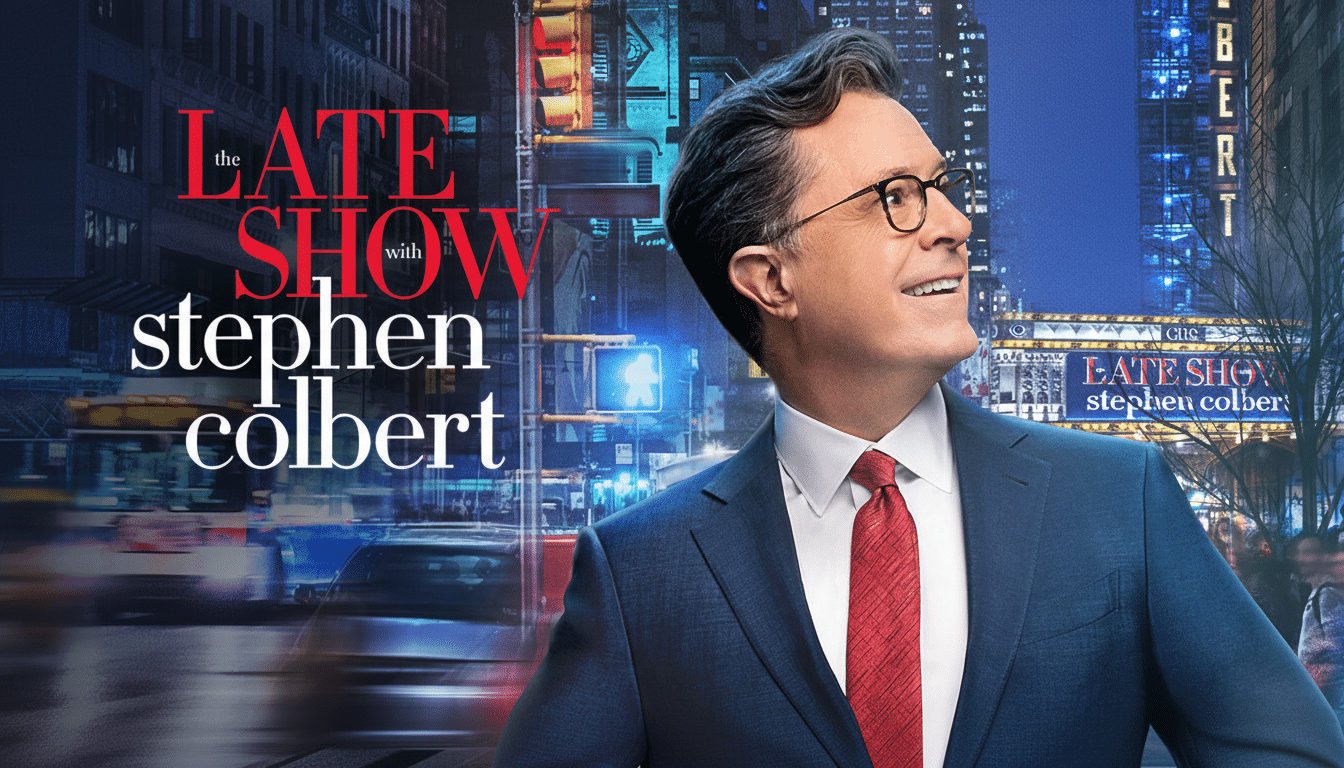
Colbert Says The Late Show Will End for Good
And days later, Colbert left his audience shaken with the announcement The Late Show would be canceled with episodes to air into the following year and then gone forever. CBS characterized the move as a financial decision with no connection to content or performance. Whatever the motive, the choice was a harbinger of how little room there was left for small programming decisions in the consolidation era — and of how big-tent broadcast institutions season by season are coming under new math.
Colbert Turns Up The Heat After Cancellation Announcement
Instead of letting up, Colbert stepped on the gas. His monologues honed in with less hesitation on intense, occasionally blistering takedowns of Trump, including a bleeped “go fuck yourself” and another trip through the former president’s ties to Jeffrey Epstein. The pivot was an affirmation of late night’s watchdog function and also a statement in a year in which hosts adopted their platforms less as comedy slots than as civic forums.
ABC Suspends ‘Jimmy Kimmel Live’ Amid Controversy
ABC yanked Jimmy Kimmel Live! “indefinitely” after Kimmel’s remarks about right-wing pundit Charlie Kirk’s killer sparked political controversy. The pivot came after public pressure from FCC chair Brendan Carr, who previously threatened the network after its announcement in late 2020 about plans to publish an impact report on the Black male image, and broke with the agency’s historical arm’s-length stance on content decisions. For many, it was the most glaring example in a year of government power menacing a late-night stage.
Backlash Erupts, Subscriber Churn Soars
The suspension provoked instant dial-wide solidarity as Seth Meyers, Jimmy Fallon, Stephen Colbert, Jon Stewart, and John Oliver all leveled attacks against censorship.
And viewers certainly voted with their wallets: cancellations for Disney+ and Hulu are said to have doubled during the pause, an obvious pressure point for ABC’s parent. Public blowback made the price of silencing a critic clear, in both reputational and financial terms.
John Oliver Breaks Down The Pressure Campaign
John Oliver’s deep dive on Last Week Tonight spelled out the stakes with unsparing detail, drawing attention to the FCC chair’s threats and calling on Disney CEO Bob Iger to fight back. His parting flourish — “F*** you. Make me.” — became the most-quoted late-night mic drop of the year, a thesis statement on standing up to pressure when politics seeps into programming.
Jon Stewart Skewers Compliance Culture On Air
On The Daily Show, Jon Stewart presented a surgically satirical “administration-compliant” monologue ridiculing the concept that you have to tiptoe around to stay on air as host. Stewart made the chilling effect funny — and a civics lesson — by theatrically calling Trump “father” while hectoring his audience for disapproval. Free-expression organizations, including PEN America, and proponents of the First Amendment have warned for years that government jawboning can have a chilling effect on speech; Stewart turned that abstract concern into something immediate.
Kimmel Returns And Crushes The Ratings After Suspension
A week later, ABC did an about-face. The monologue Kimmel delivered upon his return broke viewership records for his show and in short order became the most-watched segment on YouTube of all time, with 23 million views in under a day. He thanked his fellow hosts for rallying around him publicly and framed his episode as bigger than any single show, stating that the right to speak freely is the point of the platform — and where it cannot be crossed.
Together, these moments remapped late night’s center of gravity. The genre veered farther into accountability journalism while trying to see how much of a beat its corporate parents and political actors can push. If late night is a barometer for the culture, then 2025 looked with a needle in the red — and an audience poised to push it back down.