


A mainstream flagship with universal 100W fast charging is something that changes the power conversation overnight. Xiaomi’s 17 series reportedly doesn’t just fill up pulse-swelling quickly; it does so using USB Power Delivery with PPS, the open standard your laptop and earbuds are already employing. That’s one charger, actual compatibility and no proprietary detours — as well as fewer excuses than ever for Apple and Google.
Why 100W Over USB PD PPS Is So Important for Phones
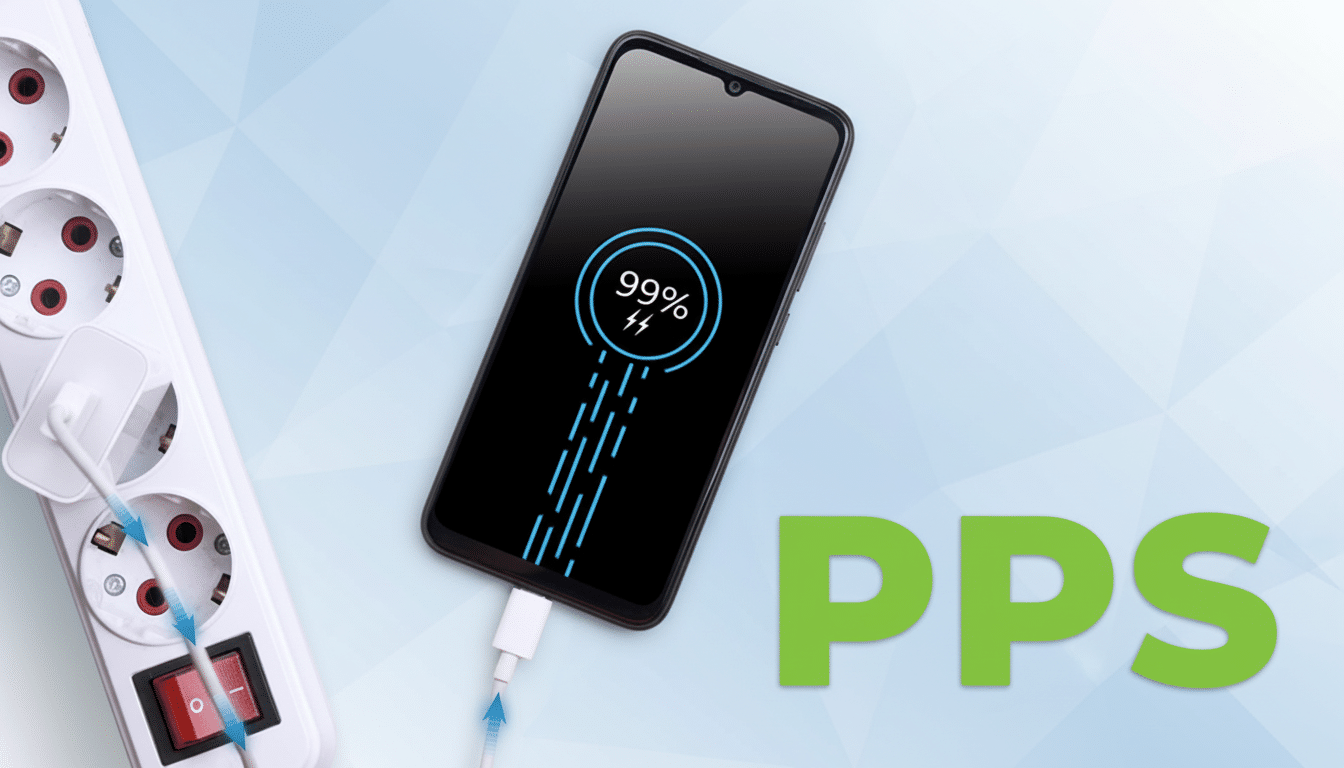
Power Delivery’s PPS (Programmable Power Supply) fine-tunes voltage and current in small steps, which reduces heat while getting as much power out of a charger as possible. Attaining 100W of power puts it in standard Power Delivery territory and would also mean that most existing GaN adapters (like those rated for at least 100W with PPS up to 5A) could unleash their fastest charge rates without needing vendor-specific bricks. Even if your plug can only go as high as PPS calculates for you, it delivers the highest safe rate, eliminating the frustrating adapter guessing game.
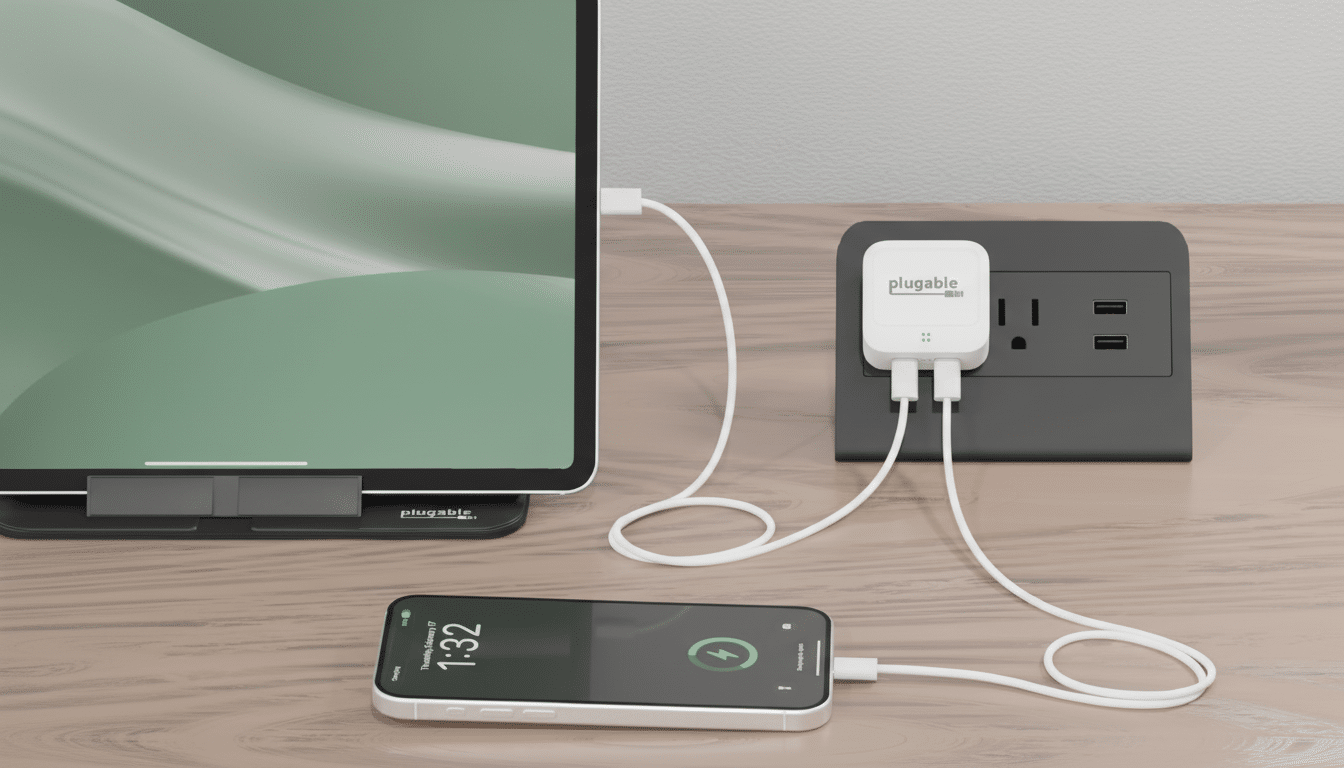
Under the hood, this is working thanks to a combination of dual-cell battery architectures, high-efficiency charge pumps and smarter battery management systems that ‘throttle gracefully’ as temps increase.
The USB Implementers Forum has enshrined EPR limits of 240W and AVS voltage ranges, but for phones the sweet spot is still sub‑100W PPS, which hits a nice middle ground in speed, thermals and longevity. Xiaomi showing that 100W on open standards is possible confirms the fact that the bottleneck has never really been physics — it’s just been policy.
The Slow Fade of Proprietary Fast Charging Standards
Major players together with Xiaomi, OPPO, vivo and Huawei, supporting the China Communications Standards Association under the guidance of CAICT, have driven cross‑brand interoperability towards alignment with PD/PPS.
The result is tangible: recent Chinese flagships are already hitting decent PPS rates (with last generation’s top models often getting by with 30–60W on plain old third‑party plugs). Now, smashing down the 100W barrier with PPS is starting to make proprietary protocols resemble legacy convention and less like true innovation.
That shift also reduces e-waste. When those phones work well with the same USB-C PD chargers as tablets and ultrabooks do, people have less reason to buy one‑purpose power bricks. The work of the Global E‑waste Monitor says tens of millions of tonnes are thrown away every year, with fewer than one in four being formally recycled – reducing the charger pile is a small but tangible lever for change.
Apple And Google Have Run Out Of Excuses
Google’s Pixels have been slow for ages on wired charging, with them never quite breaking 40W on the max spec and always coming up well short on the smaller ones. Thermal management and battery health are two valid concerns, but modern dual‑cell packs, improved graphite-and-silicon-blend anodes and more granular PPS control show you can move fast without cooking cells. If, say, a garden-variety 100W PPS charger can safely put a flagship phone back on its feet in less than an hour, there’s no technical reason for Pixels not to aim far beyond that.
Apple’s situation is different but similarly fixable. USB‑C and USB PD are great; however, iPhones go a different way when it comes to power negotiation, preferring set profiles — but leaning now into AVS for ceilings that risk driving buyers to more Apple‑blessed adapters. PPS support at significant wattages would enable faster, more reliable performance on the many third‑party PD chargers out there. What it means for the user: fewer proprietary edge cases, more predictability and better speeds where it’s needed.
Samsung Makes Strides But Not Consistently
Samsung has continued to refine PPS performance at the high end, and industry murmurs suggest even greater wattages are headed for Ultra‑class phones. But baseline and mid‑tier Galaxy models still loiter at conservative rates, often taking more than an hour on the wire, while rivals manage sub-40-minute full charges over a broader price spread. There’s a simple solution: Raise the PPS ceilings across the board and make it universal — no special bricks, no fine print.
What Buyers Can Expect Next From Open 100W Charging
With a flagship now pushing 100W on open standards, the goalposts shift. Look for more phones to market two numbers: their proprietary peak, plus their PD PPS peak — and the margin should contract to a shade above zero. On the other hand, accessory makers have already swamped the market with diminutive 100W GaN chargers featuring multi‑port PPS; pairing these with phones that fully utilize PPS is all that separates us from outright, fast and safe charging for all.
Bottom Line: Open 100W PPS Should Become The Default
Xiaomi has proven that blistering speed and real universality need not remain separate goals, within our reach but just out of grasp, dependent on exotic bricks or vendor lock‑in. The standard is complete, chargers are on store shelves and the engineering playbook is field tested. It’s about time for Apple and Google — and indeed Samsung’s flagships — to add 100W‑class PPS support to their devices, and put an end to the era of slow, siloed charging.